UMBC students win top prize at Maryland Cyber Challenge
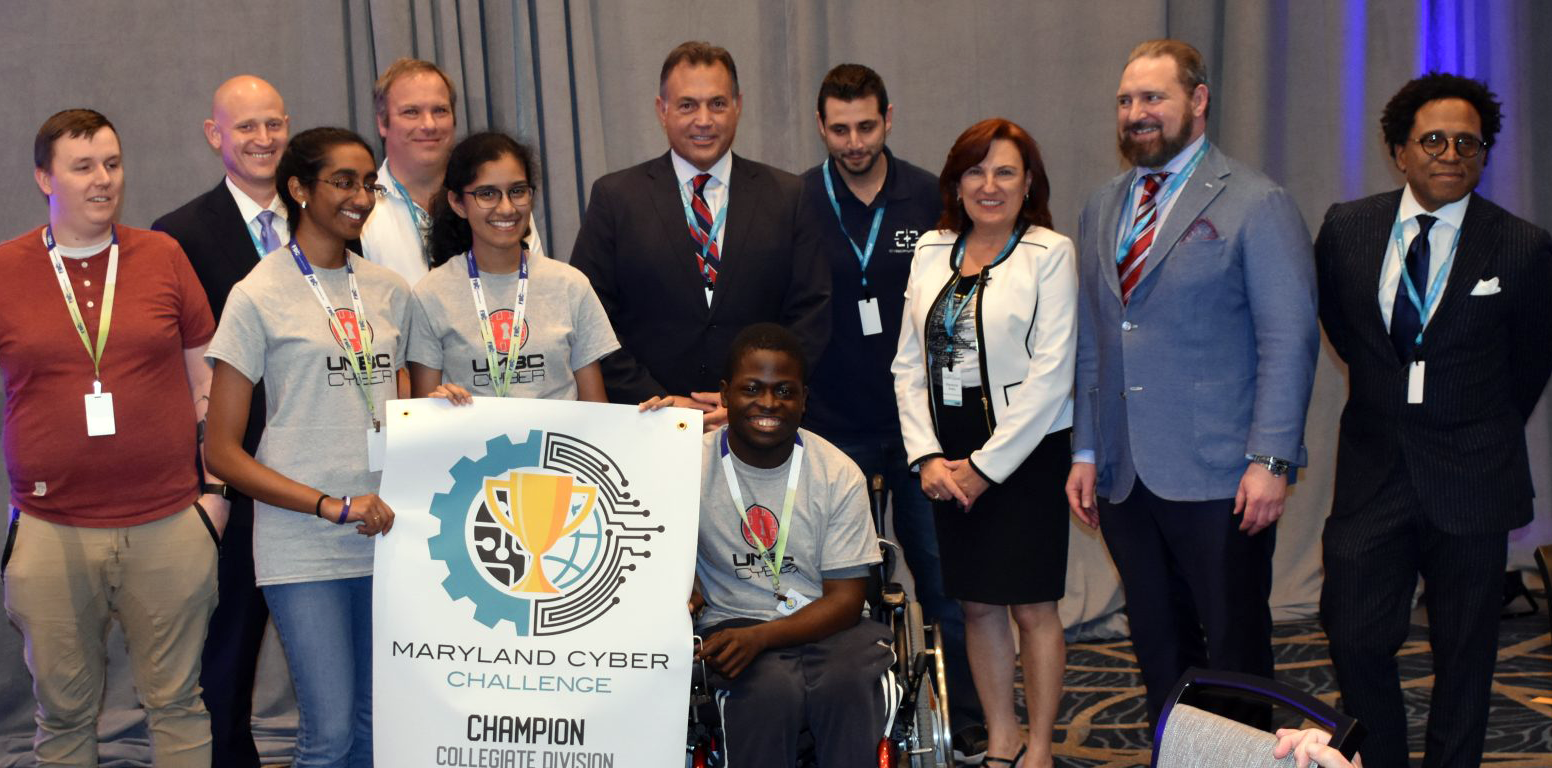
Busy teams of students clustered around laptops in a room overlooking Baltimore’s Inner Harbor on Tuesday, focused on solving as many challenges as possible during a “capture-the-flag” style competition. After hours of intense competition in cyberspace, UMBC’s team emerged victorious, named champions of the college division of the 2018 Maryland Cyber Challenge.
Started in 2011, the competition is part of the annual CyberMaryland Conference. UMBC’s team included Niara Richards ‘22, computer science; Nithya Prakash ‘22, information systems; Josh Mpere ‘19, computer science; Seamus Burke ‘20 computer science; and Swathi Krithivasan ‘22, computer science. They worked together to test their skills in a series of real-world cybersecurity challenges over the course of two virtual qualifying rounds and then the final competition, beating talented teams from the U.S. Air Force Academy and University of Maryland, University College.
“It was my first time competing in the Maryland Cyber Challenge, although I have a pretty extensive competition background,” said Burke. “I am especially proud of my freshman teammates who put in a ton of effort, solved challenges, and didn’t get discouraged when the challenges got more difficult.”
Burke is a Center for Women in Technology (CWIT) Scholar and Mpere is a Cyber affiliate. Richards, Prakash, and Krithivasan all participate in UMBC’s Cyber Scholars Program, which works to prepare the next generation of cybersecurity professionals.
All five members of the winning team will receive a monetary award and an offer to complete a summer internship to continue growing their experience and skills. Additionally, the university will receive new technologies (including software) to support more UMBC students in developing their cybersecurity skills.
“The competition was a fantastic experience and gave me a lot of exposure into topics that I otherwise would not have gained, especially as a freshman,” said Krithivasan. “We had a mix of both upper and underclassmen on our team, which really enabled us to learn and grow from working with each other.”
Adapted from a UMBC News article by Megan Hanks. Banner image: Nithya Prakash, Swathi Krithivasan, and Josh Mpere being recognized at the award ceremony. Photo by Mike Lackner, computer science and informatics, and technology instructor at Loyola Blakefield High School.
The post UMBC students win top prize at Maryland Cyber Challenge appeared first on Department of Computer Science and Electrical Engineering.
]]>
Busy teams of students clustered around laptops in a room overlooking Baltimore’s Inner Harbor on Tuesday, focused on solving as many challenges as possible during a “capture-the-flag” style...
https://www.csee.umbc.edu/2018/10/umbc-students-win-top-prize-at-maryland-cyber-challenge/
https://dev.my.umbc.edu/api/v0/pixel/news/79389/guest@my.umbc.edu/47ab5dd33368ef4592c0c7b6b6307d5b/api/pixel
cybersecurity
news
students
Computer Science and Electrical Engineering
https://dev.my.umbc.edu/groups/csee
https://assets3-dev.my.umbc.edu/system/shared/avatars/groups/000/000/099/d117dca133c64bf78a4b7696dd007189/xsmall.png?1314043393
https://assets1-dev.my.umbc.edu/system/shared/avatars/groups/000/000/099/d117dca133c64bf78a4b7696dd007189/original.png?1314043393
https://assets1-dev.my.umbc.edu/system/shared/avatars/groups/000/000/099/d117dca133c64bf78a4b7696dd007189/xxlarge.png?1314043393
https://assets4-dev.my.umbc.edu/system/shared/avatars/groups/000/000/099/d117dca133c64bf78a4b7696dd007189/xlarge.png?1314043393
https://assets3-dev.my.umbc.edu/system/shared/avatars/groups/000/000/099/d117dca133c64bf78a4b7696dd007189/large.png?1314043393
https://assets1-dev.my.umbc.edu/system/shared/avatars/groups/000/000/099/d117dca133c64bf78a4b7696dd007189/medium.png?1314043393
https://assets2-dev.my.umbc.edu/system/shared/avatars/groups/000/000/099/d117dca133c64bf78a4b7696dd007189/small.png?1314043393
https://assets3-dev.my.umbc.edu/system/shared/avatars/groups/000/000/099/d117dca133c64bf78a4b7696dd007189/xsmall.png?1314043393
https://assets3-dev.my.umbc.edu/system/shared/avatars/groups/000/000/099/d117dca133c64bf78a4b7696dd007189/xxsmall.png?1314043393
Computer Science and Electrical Engineering
1
0
true
Thu, 11 Oct 2018 14:10:39 -0400
Thu, 11 Oct 2018 14:10:39 -0400
talk: NSF Advanced Cyberinfrastructure Research Workforce Development and Education Programs

UMBC Information Systems Department
Innovations in NSF Advanced Cyberinfrastructure Research Workforce Development and Education Programs
Dr. Sushil K. Prasad
National Science Foundation
2:00pm Tuesday, 18 September 2018, ITE459, UMBC
The National Science Foundation Office of Advanced Cyberinfrastructure (OAC) has growing research and education programs, including programs for early career multidisciplinary faculty such as CAREER and CISE Research Initiation Initiative (CRII). OAC is pleased to announce its newest program, its core research program solicitation (NSF 18-567), with the goals of supporting all aspects of advanced cyberinfrastructure (CI) research that will significantly impact the future capabilities of advanced research CI, as well as the research career paths of computer as well as computational and data-driven scientists and engineers. Through this solicitation, OAC seeks to foster the development of new knowledge in the innovative design, development, and utilization of robust research CI. The OAC core research areas include architectures and middleware for extreme-scale systems, scalable algorithms and applications, including simulation and modeling, and the advanced CI ecosystem, including tools and sociotechnical aspects.
OAC also introduced a CyberTraining program (NSF 18-516) for education and training aimed to fully prepare scientific workforce for nation’s research enterprise to innovate and utilize high performance computing resources, tools and methods. The community response in its two rounds of competition have exceeded expectations. OAC also has programs for research training of undergraduate students (REU sites).
I will introduce these and share some of the recent awards. I will also touch on other OAC opportunities in cyberinfrastructure including those on high performance computing (HPC) hardware, software, data, networking and security, and on NSF’s ten big ideas, including Harnessing the Data Revolution.
Sushil K. Prasad is a Program Director at National Science Foundation in its Office of Advanced Cyberinfrastructure (OAC) in the Computer and Information Science and Engineering (CISE) directorate leading its emerging research and education programs such as CAREER, CRII, Expeditions, CyberTraining, and the most-recently introduced OAC-Core research. He is an ACM Distinguished Scientist and a Professor of Computer Science at Georgia State University. He is the director of Distributed and Mobile Systems Lab carrying out research in Parallel, Distributed, and Data Intensive Computing and Systems. He has been twice-elected chair of IEEE-CS Technical Committee on Parallel Processing (TCPP), and leads the NSF-supported TCPP Curriculum Initiative on Parallel and Distributed Computing for undergraduate education.
The post talk: NSF Advanced Cyberinfrastructure Research Workforce Development and Education Programs appeared first on Department of Computer Science and Electrical Engineering.
]]>
UMBC Information Systems Department Innovations in NSF Advanced Cyberinfrastructure Research Workforce Development and Education Programs Dr. Sushil K. Prasad National Science Foundation...
https://www.csee.umbc.edu/2018/09/talk-nsf-advanced-cyberinfrastructure-research-workforce-development-education-programs/
https://dev.my.umbc.edu/api/v0/pixel/news/78638/guest@my.umbc.edu/d2c89e95e8d55fe6840a0a6ccce3b832/api/pixel
events
news
talks
Computer Science and Electrical Engineering
https://dev.my.umbc.edu/groups/csee
https://assets3-dev.my.umbc.edu/system/shared/avatars/groups/000/000/099/d117dca133c64bf78a4b7696dd007189/xsmall.png?1314043393
https://assets1-dev.my.umbc.edu/system/shared/avatars/groups/000/000/099/d117dca133c64bf78a4b7696dd007189/original.png?1314043393
https://assets1-dev.my.umbc.edu/system/shared/avatars/groups/000/000/099/d117dca133c64bf78a4b7696dd007189/xxlarge.png?1314043393
https://assets4-dev.my.umbc.edu/system/shared/avatars/groups/000/000/099/d117dca133c64bf78a4b7696dd007189/xlarge.png?1314043393
https://assets3-dev.my.umbc.edu/system/shared/avatars/groups/000/000/099/d117dca133c64bf78a4b7696dd007189/large.png?1314043393
https://assets1-dev.my.umbc.edu/system/shared/avatars/groups/000/000/099/d117dca133c64bf78a4b7696dd007189/medium.png?1314043393
https://assets2-dev.my.umbc.edu/system/shared/avatars/groups/000/000/099/d117dca133c64bf78a4b7696dd007189/small.png?1314043393
https://assets3-dev.my.umbc.edu/system/shared/avatars/groups/000/000/099/d117dca133c64bf78a4b7696dd007189/xsmall.png?1314043393
https://assets3-dev.my.umbc.edu/system/shared/avatars/groups/000/000/099/d117dca133c64bf78a4b7696dd007189/xxsmall.png?1314043393
Computer Science and Electrical Engineering
3
0
true
Sat, 15 Sep 2018 12:25:58 -0400
talk: Phishing in an Academic Community, a Study of User Susceptibility and Behavior

The UMBC Cyber Defense Lab
Phishing in an Academic Community:
a Study of User Susceptibility and Behavior
Alejandra Diaz
University of Maryland, Baltimore County
12:00–1:00pm, Friday, 14 September 2018, ITE 227
(joint work with Alan T. Sherman Anupam Joshi)
We present an observational study on the relationship between demographic factors and phishing susceptibility at the University of Maryland, Baltimore County (UMBC). From March through May 2018, we performed three experiments that delivered phishing attacks to 450 randomly-selected students on three different days (1,350 students total) to examine user click rates and demographics within UMBC’s undergraduate student population. The participants were initially unaware of the study. We deployed the Billing Problem, Contest Winner, and Expiration Date phishing tactics. Experiment 1 impersonated banking authorities; Experiment 2 enticed users with monetary rewards; and Experiment 3 threatened users with account cancellation.
We found correlations resulting in lowered susceptibility based on college affiliation, academic year progression, cyber training, involvement in cyber clubs or cyber scholarship programs, amount of time spent on the computer, and age demographics. We found no significant correlation between gender and susceptibility. Contrary to our expectations, we observed an inverse correlation between phishing awareness and student resistance to clicking a phishing link. Students who identified themselves as understanding the definition of phishing had a higher susceptibility rate than did their peers who were merely aware of phishing attacks, with both groups of students having a higher susceptibility rate than those with no knowledge whatsoever. Overall, approximately 70% of the students who opened a phishing email clicked on it.
Alejandra Diaz (*protected email*) is a cyber software engineer at Northrop Grumman. She earned her BS in computer science from UMBC with a concentration in cybersecurity in May 2017, and her MS in computer science in August 2018. As a Cyber Scholar and a Society of Women Studying Information Security Scholar, she has a special interest in the human aspects of cybersecurity.
Host: Alan T. Sherman, *protected email*
Support for this research was provided in part by the National Science Foundation under SFS grant 1241576, the U.S. Department of Defense under CAE grant H988230-17-1-0349, and IBM.
The post talk: Phishing in an Academic Community, a Study of User Susceptibility and Behavior appeared first on Department of Computer Science and Electrical Engineering.
]]>
The UMBC Cyber Defense Lab Phishing in an Academic Community: a Study of User Susceptibility and Behavior Alejandra Diaz University of Maryland, Baltimore County 12:00–1:00pm, Friday, 14...
https://www.csee.umbc.edu/2018/09/talk-phishing-in-an-academic-community-a-study-of-user-susceptibility-and-behavior/
https://dev.my.umbc.edu/api/v0/pixel/news/78458/guest@my.umbc.edu/c9078502979d7b7eff5b18ac9a70a78a/api/pixel
computer-science
cybersecurity
news
talks
Computer Science and Electrical Engineering
https://dev.my.umbc.edu/groups/csee
https://assets3-dev.my.umbc.edu/system/shared/avatars/groups/000/000/099/d117dca133c64bf78a4b7696dd007189/xsmall.png?1314043393
https://assets1-dev.my.umbc.edu/system/shared/avatars/groups/000/000/099/d117dca133c64bf78a4b7696dd007189/original.png?1314043393
https://assets1-dev.my.umbc.edu/system/shared/avatars/groups/000/000/099/d117dca133c64bf78a4b7696dd007189/xxlarge.png?1314043393
https://assets4-dev.my.umbc.edu/system/shared/avatars/groups/000/000/099/d117dca133c64bf78a4b7696dd007189/xlarge.png?1314043393
https://assets3-dev.my.umbc.edu/system/shared/avatars/groups/000/000/099/d117dca133c64bf78a4b7696dd007189/large.png?1314043393
https://assets1-dev.my.umbc.edu/system/shared/avatars/groups/000/000/099/d117dca133c64bf78a4b7696dd007189/medium.png?1314043393
https://assets2-dev.my.umbc.edu/system/shared/avatars/groups/000/000/099/d117dca133c64bf78a4b7696dd007189/small.png?1314043393
https://assets3-dev.my.umbc.edu/system/shared/avatars/groups/000/000/099/d117dca133c64bf78a4b7696dd007189/xsmall.png?1314043393
https://assets3-dev.my.umbc.edu/system/shared/avatars/groups/000/000/099/d117dca133c64bf78a4b7696dd007189/xxsmall.png?1314043393
Computer Science and Electrical Engineering
3
0
true
Sun, 09 Sep 2018 13:40:05 -0400
NSA highlights strong partnership with UMBC through Featured School campaign

NSA highlights strong partnership with UMBC in Featured School campaign
Over the past two decades, UMBC and the National Security Agency (NSA) have developed a strong relationship, which has led to research, internship, and career opportunities for faculty, students, and alumni. UMBC is the first institution to be highlighted in NSA’s Featured School Series, which launched on September 4.
“UMBC’s long-standing partnership with NSA has provided valuable experiences for our students, faculty, and alumni to pursue internships, careers, and collaborative research opportunities,” said President Freeman Hrabowski. “Through this work we are helping to address the need for well-trained cyber professionals by creating a network of talented people to protect the state, nation, and world.”
More than 1100 NSA employees are UMBC alumni, including Darniet Jennings ‘98, M.S. ‘99, Ph.D. ‘03, information systems management. Jennings continued his dissertation research when he took a job at NSA, where he developed a system to manage big data effectively, which was patented in 2010.
The opportunities at NSA include careers in a broad range of disciplines including cybersecurity, engineering, computer science, language, and biological and chemical sciences. Regina Hambleton ‘87, mathematics, has held a number of positions at NSA and is currently the Agency’s deputy director of Engagement and Policy. She began working at NSA while she was a student at UMBC, and participated in a program that allowed her to spend a semester at UMBC taking courses followed by a semester working at NSA.
The partnership between NSA and UMBC also helps prepare an increasing number of graduates for careers in cybersecurity-related fields, to protect the nation from cyber threats.
Charles Nicholas, professor of computer science and electrical engineering, is also highlighted in the Featured School Series campaign. He has spent two sabbaticals at NSA during his time at UMBC, and has mentored students who completed NSA internships, in addition to students who went on to pursue careers at NSA. Nicholas is interested in the intersection of cybersecurity and data science, and the tools that are used to compare malware specimens.
“There are so many opportunities in the intelligence community, including at NSA,” Nicholas says. “It is important for students interested in those careers to develop technical ability, as well as critical and creative thinking, and I enjoy the chance to help them grow those skills.”
For more information about the partnership, and a few UMBC alumni who work at NSA, visit the UMBC page on the NSA website.
Adapted from a UMBC News article by Megan Hanks. Banner image by Marlayna Demond for UMBC.
The post NSA highlights strong partnership with UMBC through Featured School campaign appeared first on Department of Computer Science and Electrical Engineering.
]]>
NSA highlights strong partnership with UMBC in Featured School campaign Over the past two decades, UMBC and the National Security Agency (NSA) have developed a strong relationship, which has...
https://www.csee.umbc.edu/2018/09/nsa-highlights-strong-partnership-with-umbc-through-featured-school-campaign/
https://dev.my.umbc.edu/api/v0/pixel/news/78344/guest@my.umbc.edu/71eee669e95d99934a8574e486e49f76/api/pixel
computer-engineering
computer-science
cybersecurity
data-science
electrical-engineering
news
Computer Science and Electrical Engineering
https://dev.my.umbc.edu/groups/csee
https://assets3-dev.my.umbc.edu/system/shared/avatars/groups/000/000/099/d117dca133c64bf78a4b7696dd007189/xsmall.png?1314043393
https://assets1-dev.my.umbc.edu/system/shared/avatars/groups/000/000/099/d117dca133c64bf78a4b7696dd007189/original.png?1314043393
https://assets1-dev.my.umbc.edu/system/shared/avatars/groups/000/000/099/d117dca133c64bf78a4b7696dd007189/xxlarge.png?1314043393
https://assets4-dev.my.umbc.edu/system/shared/avatars/groups/000/000/099/d117dca133c64bf78a4b7696dd007189/xlarge.png?1314043393
https://assets3-dev.my.umbc.edu/system/shared/avatars/groups/000/000/099/d117dca133c64bf78a4b7696dd007189/large.png?1314043393
https://assets1-dev.my.umbc.edu/system/shared/avatars/groups/000/000/099/d117dca133c64bf78a4b7696dd007189/medium.png?1314043393
https://assets2-dev.my.umbc.edu/system/shared/avatars/groups/000/000/099/d117dca133c64bf78a4b7696dd007189/small.png?1314043393
https://assets3-dev.my.umbc.edu/system/shared/avatars/groups/000/000/099/d117dca133c64bf78a4b7696dd007189/xsmall.png?1314043393
https://assets3-dev.my.umbc.edu/system/shared/avatars/groups/000/000/099/d117dca133c64bf78a4b7696dd007189/xxsmall.png?1314043393
Computer Science and Electrical Engineering
2
0
true
Wed, 05 Sep 2018 09:12:55 -0400
Wed, 05 Sep 2018 09:12:55 -0400
talk: Ballerina, a modern programming language focused on integration, 2pm Thr 9/6, ITE325

Ballerina, a modern programming language
focused on integration
Dr. Sanjiva Weerawarana
Founder, Chairman and Chief Architect, WSO2
2:00-3:00pm, Thursday, 6 September 2018, ITE325, UMBC
Ballerina is a concurrent, transactional, statically typed programming language. It provides all the functionality expected of a modern, general purpose programming language, but it is designed specifically for integration: it brings fundamental concepts, ideas and tools of distributed system integration into the language with direct support for providing and consuming network services, distributed transactions, reliable messaging, stream processing, security and workflows. It is intended to be a pragmatic language suitable for mass-market commercial adoption; it tries to feel familiar to programmers who are used to popular, modern C-family languages, notably Java, C# JavaScript.
Ballerina’s type system is much more flexible than traditional statically typed languages. The type system is structural, has union types and open records with optional/mandatory fields. This flexibility allows it also to be used as a schema for the data that is exchanged in distributed applications. Ballerina’s data types are designed to work particularly well with JSON; any JSON value has a direct, natural representation as a Ballerina value. Ballerina also provides support for XML and relational data.
Ballerina’s concurrency model is built on the sequence diagram metaphor and offers simple constructs for writing concurrent programs. Its type system is a modern type system designed with sufficient power to describe data that occurs in distributed applications. It also includes a distributed security architecture to make it easier to write applications that are secure by design.
Ballerina is designed for modern development practices with a modularity architecture based on packages that are easily shared widely. Version management, dependency management, testing, documentation, building and sharing are part of the language design architecture and not left for later add-on tools. The Ballerina standard library is in two parts: the usual standard library level functionality (akin to libc) and a standard library of network protocols, interface standards, data formats, authentication/authorization standards that make writing secure, resilient distributed applications significantly easier than with other languages.
Ballerina has been inspired by Java, Go, C, C++, Rust, Haskell, Kotlin, Dart, Typescript, Javascript, Swift and other languages. This talk will discuss the core principles behind Ballerina including the semantics of combining aspects of networking, security, transactions, concurrency and events into a single architecture.
Sanjiva Weerawarana founded WSO2 in 2005 with a vision to reinvent the way enterprise middleware is developed, sold, delivered, and supported through an open source model. Prior to starting WSO2, Sanjiva worked for nearly eight years in IBM Research, where he focused on innovations in middleware and emerging industry standards. At IBM, he was one of the founders of the Web services platform, and he co-authored many Web services specifications, including WSDL, BPEL4WS, WS-Addressing, WS-RF, and WS-Eventing. In recognition for his company-wide technical leadership, Sanjiva was elected to the IBM Academy of Technology in 2003.
Sanjiva also has been committed to open source development for many years. An elected member of the Apache Software Foundation, Sanjiva was the original creator of Apache SOAP, and he has contributed to Apache Axis, Apache Axis2 and most Apache Web services projects.
In 2003, Sanjiva founded the Lanka Software Foundation (LSF), a non-profit organization formed with the objective of promoting open source development, not usage, by Sri Lankan developers. He is currently its chief scientist and a director. LSF’s success stories include many Apache Web services projects and Sahana, the predominant disaster management system in the world. In recognition of his role in promoting open source participation from developing countries, Sanjiva was elected to the board of the Open Source Initiative (OSI) in April 2005, where he served for two years.
Sanjiva also teaches and guides student projects part-time in the Computer Science & Engineering department of the University of Moratuwa, and he is a member of the university’s Faculty of Engineering Industry consultative board. Prior to joining IBM, Sanjiva spent three years at Purdue University as visiting faculty, where he received his Ph.D. in Computer Science in 1994.
The post talk: Ballerina, a modern programming language focused on integration, 2pm Thr 9/6, ITE325 appeared first on Department of Computer Science and Electrical Engineering.
]]>
Ballerina, a modern programming language focused on integration Dr. Sanjiva Weerawarana Founder, Chairman and Chief Architect, WSO2 2:00-3:00pm, Thursday, 6 September 2018, ITE325, UMBC...
https://www.csee.umbc.edu/2018/09/talk-ballerina-a-modern-programming-language-focused-on-integration/
https://dev.my.umbc.edu/api/v0/pixel/news/78342/guest@my.umbc.edu/6f900669876be176afa7258816c90271/api/pixel
computer-science
events
news
talks
Computer Science and Electrical Engineering
https://dev.my.umbc.edu/groups/csee
https://assets3-dev.my.umbc.edu/system/shared/avatars/groups/000/000/099/d117dca133c64bf78a4b7696dd007189/xsmall.png?1314043393
https://assets1-dev.my.umbc.edu/system/shared/avatars/groups/000/000/099/d117dca133c64bf78a4b7696dd007189/original.png?1314043393
https://assets1-dev.my.umbc.edu/system/shared/avatars/groups/000/000/099/d117dca133c64bf78a4b7696dd007189/xxlarge.png?1314043393
https://assets4-dev.my.umbc.edu/system/shared/avatars/groups/000/000/099/d117dca133c64bf78a4b7696dd007189/xlarge.png?1314043393
https://assets3-dev.my.umbc.edu/system/shared/avatars/groups/000/000/099/d117dca133c64bf78a4b7696dd007189/large.png?1314043393
https://assets1-dev.my.umbc.edu/system/shared/avatars/groups/000/000/099/d117dca133c64bf78a4b7696dd007189/medium.png?1314043393
https://assets2-dev.my.umbc.edu/system/shared/avatars/groups/000/000/099/d117dca133c64bf78a4b7696dd007189/small.png?1314043393
https://assets3-dev.my.umbc.edu/system/shared/avatars/groups/000/000/099/d117dca133c64bf78a4b7696dd007189/xsmall.png?1314043393
https://assets3-dev.my.umbc.edu/system/shared/avatars/groups/000/000/099/d117dca133c64bf78a4b7696dd007189/xxsmall.png?1314043393
Computer Science and Electrical Engineering
1
0
true
Tue, 04 Sep 2018 22:34:43 -0400
Game Developers Club Fall 2018 Opening Meeting and Game Jam, 1pm Fri 9/7
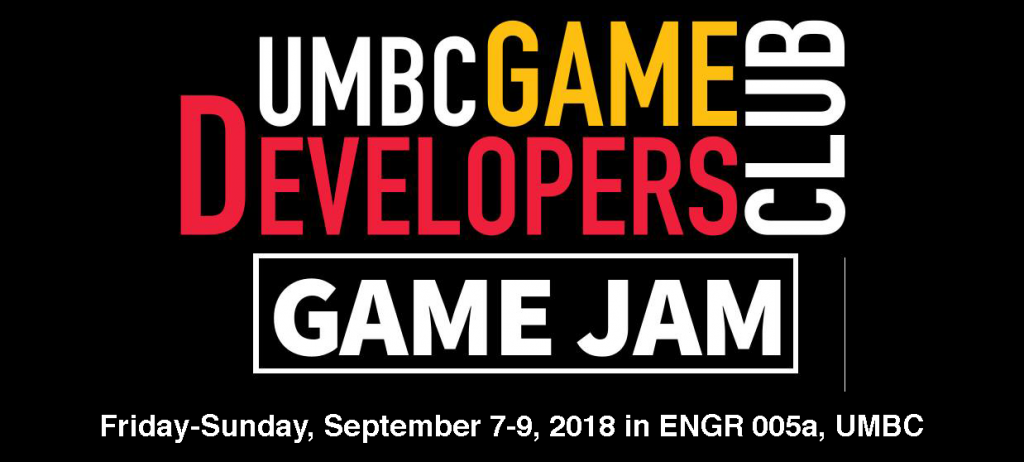
Game Developers Club Fall 2018
Opening Meeting and Game Jam
The UMBC Game Developer’s Club (GDC) explores the art and science of game development in a club environment and includes members from many backgrounds, including computing, digital art, computer modeling and music composition.
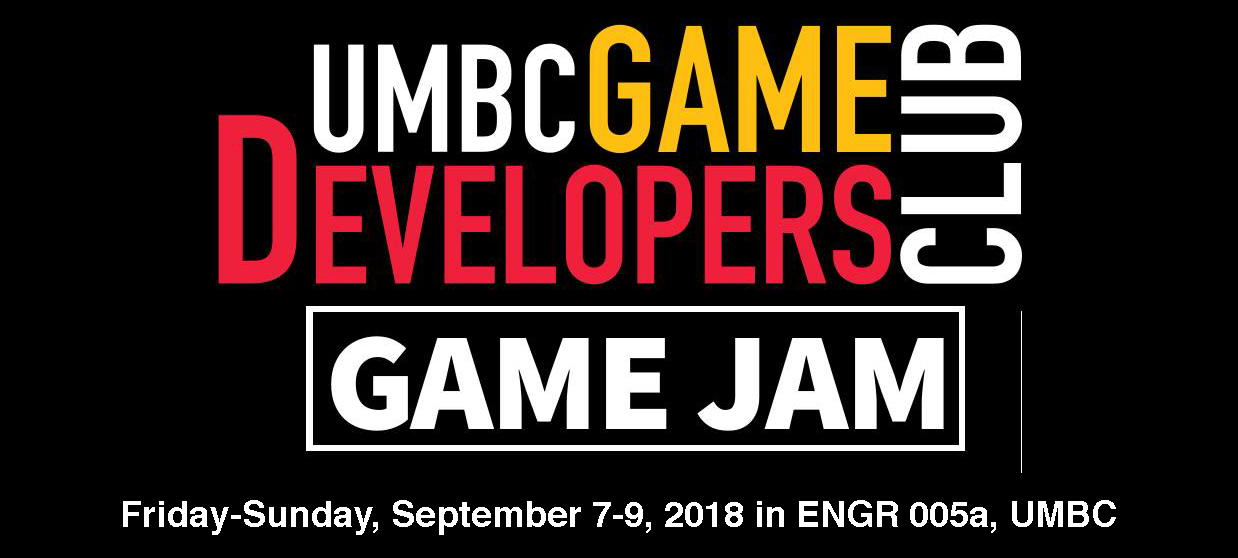
Their first meeting will start next week at 1pm on Friday, September 7th, in Engineering 005a. This meeting will kick off their annual Fall Game Jam, where participants will have a chance to propose game ideas, form teams, and develop a prototype over the course of the weekend (9/7 through 9/9).
The meeting will start with announcements and a brief presentation about the club for new members, followed by game idea proposals and the Game Jam itself. If you want to propose an idea for the Game Jam, be ready to give a brief presentation on the following things on September 7th:
- A 1-2 sentence summary of your idea
- What you want to have done by the end of the game jam
- What team roles you still need to fill
- Whether it will be 2D/3D/no preference
- Game engine preference (if any)
The post Game Developers Club Fall 2018 Opening Meeting and Game Jam, 1pm Fri 9/7 appeared first on Department of Computer Science and Electrical Engineering.
]]>
Game Developers Club Fall 2018 Opening Meeting and Game Jam The UMBC Game Developer’s Club (GDC) explores the art and science of game development in a club environment and includes members...
https://www.csee.umbc.edu/2018/08/game-developers-club-fall-2018-opening-meeting-and-game-jam-1pm-fri-9-7/
https://dev.my.umbc.edu/api/v0/pixel/news/78302/guest@my.umbc.edu/c42501d6c3cffce5a7d42b46d3161efa/api/pixel
computer-engineering
computer-science
events
game-track
news
Computer Science and Electrical Engineering
https://dev.my.umbc.edu/groups/csee
https://assets3-dev.my.umbc.edu/system/shared/avatars/groups/000/000/099/d117dca133c64bf78a4b7696dd007189/xsmall.png?1314043393
https://assets1-dev.my.umbc.edu/system/shared/avatars/groups/000/000/099/d117dca133c64bf78a4b7696dd007189/original.png?1314043393
https://assets1-dev.my.umbc.edu/system/shared/avatars/groups/000/000/099/d117dca133c64bf78a4b7696dd007189/xxlarge.png?1314043393
https://assets4-dev.my.umbc.edu/system/shared/avatars/groups/000/000/099/d117dca133c64bf78a4b7696dd007189/xlarge.png?1314043393
https://assets3-dev.my.umbc.edu/system/shared/avatars/groups/000/000/099/d117dca133c64bf78a4b7696dd007189/large.png?1314043393
https://assets1-dev.my.umbc.edu/system/shared/avatars/groups/000/000/099/d117dca133c64bf78a4b7696dd007189/medium.png?1314043393
https://assets2-dev.my.umbc.edu/system/shared/avatars/groups/000/000/099/d117dca133c64bf78a4b7696dd007189/small.png?1314043393
https://assets3-dev.my.umbc.edu/system/shared/avatars/groups/000/000/099/d117dca133c64bf78a4b7696dd007189/xsmall.png?1314043393
https://assets3-dev.my.umbc.edu/system/shared/avatars/groups/000/000/099/d117dca133c64bf78a4b7696dd007189/xxsmall.png?1314043393
Computer Science and Electrical Engineering
6
0
true
Fri, 31 Aug 2018 18:56:31 -0400
talk: Statistical Learning 101: Regression vs. Classification, 11:30 9/5
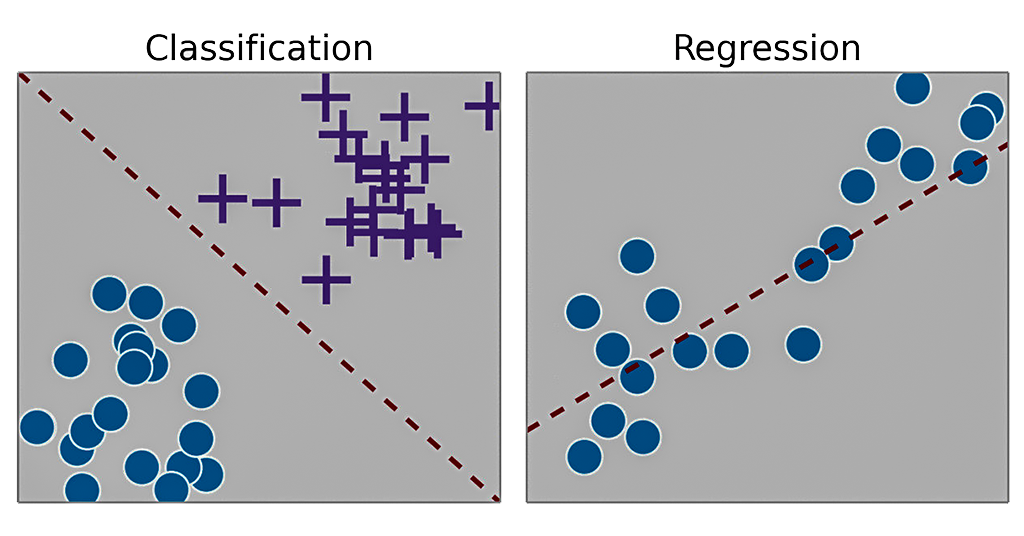
Statistical Learning 101: Regression vs. Classification
Dr. Ergun Simsek
Co-director, Computer Science and Information Technologies Department
Bahcesehir University, DC campus
11:30-12:30pm Wednesday, 5 September 2018, ITE 325b, UMBC
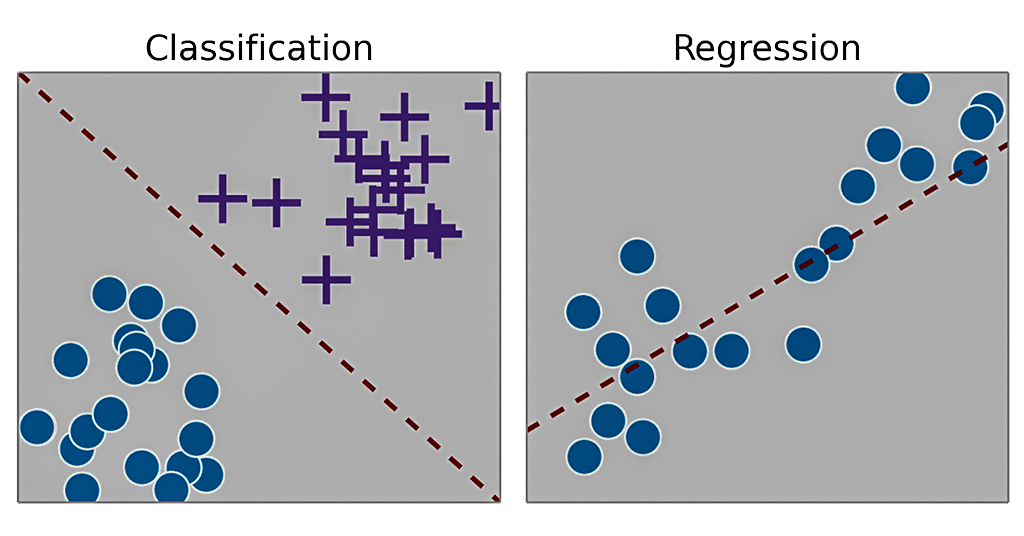
In the last decade, statistical learning, which is the concept of using algorithms to identify patterns and/or make predictions based on input data sets, has received increased interest due to its potential to answer diverse questions in various industries such as finance, business, and health. In this talk, I will introduce the two most fundamental methods of statistical learning that are applicable to both data and computer science: regression and classification. Real world examples will be provided to highlight the differences and similarities between these two methods and place them into appropriate contexts.
Dr. Ergun Simsek earned his PhD from Duke University in 2006. He is the co-director of the Computer Science and Information Technologies Department at the Bahcesehir University’s newly established DC campus (BAU DC). He joined Bahcesehir University’s Electrical and Electronics Engineering Department and later was promoted to associate professor. Upon moving back to the United States, he spent six years at the George Washington University’s Department of Electrical & Computer Engineering before returning to BAU at their DC campus. Dr. Simsek’s private sector experience includes working for Schlumberger Doll Research (SDR) Center’s Math and Modeling Department as a post-doctoral research associate, where he helped develop new numerical techniques for various oil and gas industry applications. He continues researching how to solve emerging engineering problems through efficient and robust computational techniques.
Host: Dr. Richard Forno (*protected email*)
The post talk: Statistical Learning 101: Regression vs. Classification, 11:30 9/5 appeared first on Department of Computer Science and Electrical Engineering.
]]>
Statistical Learning 101: Regression vs. Classification Dr. Ergun Simsek Co-director, Computer Science and Information Technologies Department Bahcesehir University, DC campus...
https://www.csee.umbc.edu/2018/08/talk-statistical-learning-101-regression-vs-classification-1130-8-5/
https://dev.my.umbc.edu/api/v0/pixel/news/78245/guest@my.umbc.edu/72505561c961d3ebf149569aaf8f1e0a/api/pixel
ai
data-science
news
talks
Computer Science and Electrical Engineering
https://dev.my.umbc.edu/groups/csee
https://assets3-dev.my.umbc.edu/system/shared/avatars/groups/000/000/099/d117dca133c64bf78a4b7696dd007189/xsmall.png?1314043393
https://assets1-dev.my.umbc.edu/system/shared/avatars/groups/000/000/099/d117dca133c64bf78a4b7696dd007189/original.png?1314043393
https://assets1-dev.my.umbc.edu/system/shared/avatars/groups/000/000/099/d117dca133c64bf78a4b7696dd007189/xxlarge.png?1314043393
https://assets4-dev.my.umbc.edu/system/shared/avatars/groups/000/000/099/d117dca133c64bf78a4b7696dd007189/xlarge.png?1314043393
https://assets3-dev.my.umbc.edu/system/shared/avatars/groups/000/000/099/d117dca133c64bf78a4b7696dd007189/large.png?1314043393
https://assets1-dev.my.umbc.edu/system/shared/avatars/groups/000/000/099/d117dca133c64bf78a4b7696dd007189/medium.png?1314043393
https://assets2-dev.my.umbc.edu/system/shared/avatars/groups/000/000/099/d117dca133c64bf78a4b7696dd007189/small.png?1314043393
https://assets3-dev.my.umbc.edu/system/shared/avatars/groups/000/000/099/d117dca133c64bf78a4b7696dd007189/xsmall.png?1314043393
https://assets3-dev.my.umbc.edu/system/shared/avatars/groups/000/000/099/d117dca133c64bf78a4b7696dd007189/xxsmall.png?1314043393
Computer Science and Electrical Engineering
0
0
true
Thu, 30 Aug 2018 10:39:50 -0400
CMSC 201 Computer Science I for Non-CS Disciplines
Special Section (Catalog #7838) for Fall 2018
Gain a competitive advantage in your field!
Programming and problem-solving skills are musts for today’s
college graduates!
Enroll in a special
section of CMSC 201 Computer Science I that emphasizes programming topics
applicable to the social and biological sciences and other majors. Sample topics include statistical analysis,
working with large data sets, and data visualization using the popular Python programming language. You will also receive
more individual attention in this smaller CMSC 201 section!
This section fulfills
any major’s requirement for CMSC 201 and is open to all non-CS, non-engineering majors.
No programming
experience is required. Click here
for more details about this unique opportunity.
]]>
Gain a competitive advantage in your field! Programming and problem-solving skills are musts for today’s college graduates! Enroll in a special section of CMSC 201 Computer Science I...
https://www.csee.umbc.edu/2018/04/cmsc-201-computer-science-non-cs-disciplines-fall-2018/
https://dev.my.umbc.edu/api/v0/pixel/news/78103/guest@my.umbc.edu/913fa3add82a32b2ac70d92e74cc44be/api/pixel
Computer Science and Electrical Engineering
https://dev.my.umbc.edu/groups/csee
https://assets3-dev.my.umbc.edu/system/shared/avatars/groups/000/000/099/d117dca133c64bf78a4b7696dd007189/xsmall.png?1314043393
https://assets1-dev.my.umbc.edu/system/shared/avatars/groups/000/000/099/d117dca133c64bf78a4b7696dd007189/original.png?1314043393
https://assets1-dev.my.umbc.edu/system/shared/avatars/groups/000/000/099/d117dca133c64bf78a4b7696dd007189/xxlarge.png?1314043393
https://assets4-dev.my.umbc.edu/system/shared/avatars/groups/000/000/099/d117dca133c64bf78a4b7696dd007189/xlarge.png?1314043393
https://assets3-dev.my.umbc.edu/system/shared/avatars/groups/000/000/099/d117dca133c64bf78a4b7696dd007189/large.png?1314043393
https://assets1-dev.my.umbc.edu/system/shared/avatars/groups/000/000/099/d117dca133c64bf78a4b7696dd007189/medium.png?1314043393
https://assets2-dev.my.umbc.edu/system/shared/avatars/groups/000/000/099/d117dca133c64bf78a4b7696dd007189/small.png?1314043393
https://assets3-dev.my.umbc.edu/system/shared/avatars/groups/000/000/099/d117dca133c64bf78a4b7696dd007189/xsmall.png?1314043393
https://assets3-dev.my.umbc.edu/system/shared/avatars/groups/000/000/099/d117dca133c64bf78a4b7696dd007189/xxsmall.png?1314043393
Computer Science and Electrical Engineering
https://assets2-dev.my.umbc.edu/system/shared/thumbnails/news/000/078/103/14c3eb8771891efffb837717ea96a8c9/xxlarge.jpg?1535052016
https://assets2-dev.my.umbc.edu/system/shared/thumbnails/news/000/078/103/14c3eb8771891efffb837717ea96a8c9/xlarge.jpg?1535052016
https://assets3-dev.my.umbc.edu/system/shared/thumbnails/news/000/078/103/14c3eb8771891efffb837717ea96a8c9/large.jpg?1535052016
https://assets3-dev.my.umbc.edu/system/shared/thumbnails/news/000/078/103/14c3eb8771891efffb837717ea96a8c9/medium.jpg?1535052016
https://assets4-dev.my.umbc.edu/system/shared/thumbnails/news/000/078/103/14c3eb8771891efffb837717ea96a8c9/small.jpg?1535052016
https://assets1-dev.my.umbc.edu/system/shared/thumbnails/news/000/078/103/14c3eb8771891efffb837717ea96a8c9/xsmall.jpg?1535052016
https://assets2-dev.my.umbc.edu/system/shared/thumbnails/news/000/078/103/14c3eb8771891efffb837717ea96a8c9/xxsmall.jpg?1535052016
0
0
false
Thu, 23 Aug 2018 15:21:31 -0400
talk: Methods and Models: Data Science for Campus Parking, 11:15am Mon 8/13

Methods and Models: Data Science for Campus Parking
Professor John Hoag
Associate Professor, Ohio University
11:15-12:15pm Monday, 13 August 2018 in ITE 325B
How can data science improve the parking experience for students, faculty, and staff? Or are there other motives at work? This talk will define and approach this perennial campus problem from perspectives of telematics and modeling, starting with the “Smart Cities” life cycle of data collection and analysis – from best practices through optimization. Next, we will consider relevant probabilistic models and their implementations over a century of study. We will conclude by discussing unintended consequences such as LPRs and other outcomes.
Dr. John Hoag is Associate Professor of Information and Telecommunication Systems at Ohio University in Athens, OH. He earned Ph.D. and M.S. Degrees in Operations Research from Ohio State University and holds a Bachelor’s degree in Computer Science. His current portfolio can be termed Smart Cities, which subsumes transportation, energy, finance, public health, and more, for which he is forming interdisciplinary public-private teams whose scope encompasses data collection, telemetry, storage, and analysis. The Smart Cities displaced work he started in bioinformatics and translational biomedical science, where his efforts focused on computational complexity and system performance. He maintains an adjunct appointment in EECS at Case Western Reserve University.
Host: Dr. Richard Forno (*protected email*)
The post talk: Methods and Models: Data Science for Campus Parking, 11:15am Mon 8/13 appeared first on Department of Computer Science and Electrical Engineering.
]]>
Methods and Models: Data Science for Campus Parking Professor John Hoag Associate Professor, Ohio University 11:15-12:15pm Monday, 13 August 2018 in ITE 325B How can data science improve the...
https://www.csee.umbc.edu/2018/08/talk-methods-and-models-data-science-for-campus-parking-1115am-mon-8-13/
https://dev.my.umbc.edu/api/v0/pixel/news/77868/guest@my.umbc.edu/ee48da26e32074af2b2f4334a8b5e0b0/api/pixel
computer-science
data-science
news
talks
Computer Science and Electrical Engineering
https://dev.my.umbc.edu/groups/csee
https://assets3-dev.my.umbc.edu/system/shared/avatars/groups/000/000/099/d117dca133c64bf78a4b7696dd007189/xsmall.png?1314043393
https://assets1-dev.my.umbc.edu/system/shared/avatars/groups/000/000/099/d117dca133c64bf78a4b7696dd007189/original.png?1314043393
https://assets1-dev.my.umbc.edu/system/shared/avatars/groups/000/000/099/d117dca133c64bf78a4b7696dd007189/xxlarge.png?1314043393
https://assets4-dev.my.umbc.edu/system/shared/avatars/groups/000/000/099/d117dca133c64bf78a4b7696dd007189/xlarge.png?1314043393
https://assets3-dev.my.umbc.edu/system/shared/avatars/groups/000/000/099/d117dca133c64bf78a4b7696dd007189/large.png?1314043393
https://assets1-dev.my.umbc.edu/system/shared/avatars/groups/000/000/099/d117dca133c64bf78a4b7696dd007189/medium.png?1314043393
https://assets2-dev.my.umbc.edu/system/shared/avatars/groups/000/000/099/d117dca133c64bf78a4b7696dd007189/small.png?1314043393
https://assets3-dev.my.umbc.edu/system/shared/avatars/groups/000/000/099/d117dca133c64bf78a4b7696dd007189/xsmall.png?1314043393
https://assets3-dev.my.umbc.edu/system/shared/avatars/groups/000/000/099/d117dca133c64bf78a4b7696dd007189/xxsmall.png?1314043393
Computer Science and Electrical Engineering
4
0
true
Fri, 10 Aug 2018 15:46:24 -0400
CMSC 201: Computer Science I for Non-CS Disciplines – Fall 2018

CMSC 201 Computer Science I for Non-CS Disciplines – Fall 2018
This fall, Dr. Susan Mitchell will teach a special section of CMSC 201 Computer Science I designed for social and biological sciences *and other majors*. The course will cover the same content and have the same rigor as the regular sections of CMSC 201 and prepare students to continue on to CMSC 202 if they wish. As with other sections, it fulfills any major’s requirement for CMSC 201. The key difference will be that the assignments and projects will emphasize topics applicable to many non-CS disciplines, such as statistical analysis, working with large data sets, and data visualization. The catalog description is:
An introduction to computer science through problem solving and computer programming. Programming techniques covered by this course include modularity, abstraction, top-down design, specifications documentation, debugging and testing. The core material for this course includes control structures, functions, lists, strings, abstract data types, file I/O, and recursion.
The course will include a lecture from 2:30pm to 3:45pm on Mondays and Wednesdays (Section 36-LEC) and a one-hour lab on either Monday (Section 37-DIS) or Wednesday (Section 38-DIS) from 11:00-11:50am.
Permission from the instructor is required to register for this section. No prior programming experience is required. The only prerequisite is that students must have completed MATH 150, 151 or 152 with a C or better; OR have MATH test placement into MATH 151; OR be concurrently enrolled in MATH 155 or completed it with a C or better.
For permission or questions, email Dr. Susan Mitchell at *protected email*
The post CMSC 201: Computer Science I for Non-CS Disciplines – Fall 2018 appeared first on Department of Computer Science and Electrical Engineering.
]]>
CMSC 201 Computer Science I for Non-CS Disciplines – Fall 2018 This fall, Dr. Susan Mitchell will teach a special section of CMSC 201 Computer Science I designed for social and biological...
https://www.csee.umbc.edu/2018/08/cmsc-201-computer-science-i-for-non-cs-disciplines-fall-2018/
https://dev.my.umbc.edu/api/v0/pixel/news/77859/guest@my.umbc.edu/052d2b83f6b11aa3ac69f256351cd1fc/api/pixel
computer-science
education
news
Computer Science and Electrical Engineering
https://dev.my.umbc.edu/groups/csee
https://assets3-dev.my.umbc.edu/system/shared/avatars/groups/000/000/099/d117dca133c64bf78a4b7696dd007189/xsmall.png?1314043393
https://assets1-dev.my.umbc.edu/system/shared/avatars/groups/000/000/099/d117dca133c64bf78a4b7696dd007189/original.png?1314043393
https://assets1-dev.my.umbc.edu/system/shared/avatars/groups/000/000/099/d117dca133c64bf78a4b7696dd007189/xxlarge.png?1314043393
https://assets4-dev.my.umbc.edu/system/shared/avatars/groups/000/000/099/d117dca133c64bf78a4b7696dd007189/xlarge.png?1314043393
https://assets3-dev.my.umbc.edu/system/shared/avatars/groups/000/000/099/d117dca133c64bf78a4b7696dd007189/large.png?1314043393
https://assets1-dev.my.umbc.edu/system/shared/avatars/groups/000/000/099/d117dca133c64bf78a4b7696dd007189/medium.png?1314043393
https://assets2-dev.my.umbc.edu/system/shared/avatars/groups/000/000/099/d117dca133c64bf78a4b7696dd007189/small.png?1314043393
https://assets3-dev.my.umbc.edu/system/shared/avatars/groups/000/000/099/d117dca133c64bf78a4b7696dd007189/xsmall.png?1314043393
https://assets3-dev.my.umbc.edu/system/shared/avatars/groups/000/000/099/d117dca133c64bf78a4b7696dd007189/xxsmall.png?1314043393
Computer Science and Electrical Engineering
2
0
true
Fri, 10 Aug 2018 09:00:52 -0400