IBM’s Arvind Krishna, Accelerating Technology Disruption: the Cognitive Revolution, 1pm Fri 2/24, UMBC
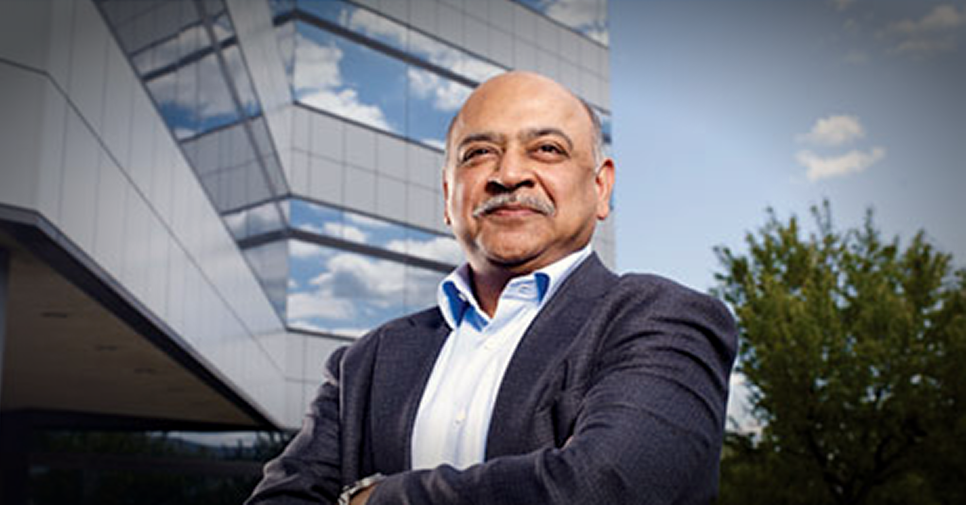
CSEE Department Distinguished Seminar
Accelerating Technology Disruption: The Cognitive Revolution
Dr. Arvind Krishna
Senior Vice President, Hybrid Cloud and Director, IBM Research
1:00-2:00pm, Friday, 24 February 2017, PAHB 132
Digital disruption is changing the world around us, breaking down traditional barriers to market entry, creating new business models, and leading to new solutions to global challenges. Dr. Arvind Krishna will examine some of the core emerging technologies driving this phenomenon today, with an emphasis on artificial intelligence/cognitive computing. He will also share his perspectives on what it takes to build a successful, high-impact technical career in an era of disruptive innovation.
Arvind Krishna is senior vice president, Hybrid Cloud, and director of IBM Research. In this role, he leads the company’s hybrid cloud business, including strategy, product design, offering development, marketing, sales and service. He also helps guide IBM’s overall technical strategy in core and emerging technologies including cognitive computing, quantum computing, cloud platform services, data-driven solutions and blockchain. Previously, Arvind was general manager of IBM Systems and Technology Group’s development and manufacturing organization, responsible for developing and engineering everything from advanced semiconductor materials to leading-edge microprocessors, servers and storage systems.
Earlier in his career, he was general manager of IBM Information Management, which included database, information integration and big data software solutions. Prior to that, he was vice president of strategy for IBM Software. He has held several key technical roles in IBM Software and IBM Research, where he pioneered IBM’s security software business. Arvind has an undergraduate degree from the Indian Institute of Technology, Kanpur and a Ph.D. from the University of Illinois at Urbana-Champaign. He is the recipient of a distinguished alumni award from the University of Illinois, is the co-author of 15 patents, has been the editor of IEEE and ACM journals, and has published extensively in technical conferences and journals.
The post IBM’s Arvind Krishna, Accelerating Technology Disruption: the Cognitive Revolution, 1pm Fri 2/24, UMBC appeared first on Department of Computer Science and Electrical Engineering.
]]>
CSEE Department Distinguished Seminar Accelerating Technology Disruption: The Cognitive Revolution Dr. Arvind Krishna Senior Vice President, Hybrid Cloud and Director, IBM Research...
https://www.csee.umbc.edu/2017/02/talk-dr-arvind-krishna-accelerating-technology-disruption-the-cognitive-revolution/
https://dev.my.umbc.edu/api/v0/pixel/news/65616/guest@my.umbc.edu/8938aaf0921be2741de2dad917f5f97f/api/pixel
ai
news
talks
Computer Science and Electrical Engineering
https://dev.my.umbc.edu/groups/csee
https://assets3-dev.my.umbc.edu/system/shared/avatars/groups/000/000/099/d117dca133c64bf78a4b7696dd007189/xsmall.png?1314043393
https://assets1-dev.my.umbc.edu/system/shared/avatars/groups/000/000/099/d117dca133c64bf78a4b7696dd007189/original.png?1314043393
https://assets1-dev.my.umbc.edu/system/shared/avatars/groups/000/000/099/d117dca133c64bf78a4b7696dd007189/xxlarge.png?1314043393
https://assets4-dev.my.umbc.edu/system/shared/avatars/groups/000/000/099/d117dca133c64bf78a4b7696dd007189/xlarge.png?1314043393
https://assets3-dev.my.umbc.edu/system/shared/avatars/groups/000/000/099/d117dca133c64bf78a4b7696dd007189/large.png?1314043393
https://assets1-dev.my.umbc.edu/system/shared/avatars/groups/000/000/099/d117dca133c64bf78a4b7696dd007189/medium.png?1314043393
https://assets2-dev.my.umbc.edu/system/shared/avatars/groups/000/000/099/d117dca133c64bf78a4b7696dd007189/small.png?1314043393
https://assets3-dev.my.umbc.edu/system/shared/avatars/groups/000/000/099/d117dca133c64bf78a4b7696dd007189/xsmall.png?1314043393
https://assets3-dev.my.umbc.edu/system/shared/avatars/groups/000/000/099/d117dca133c64bf78a4b7696dd007189/xxsmall.png?1314043393
Computer Science and Electrical Engineering
2
1
true
Thu, 09 Feb 2017 21:23:36 -0500
Tue, 21 Feb 2017 20:52:36 -0500
talk: Bayesianism and the Evidence Problem, 4pm 2/15

Philosophy Department Colloquium
Bayesianism and the Evidence Problem
Lisa Cassell
University of Massachusetts/Amherst
4-6:00pm Wednesday, 15 February 2017, 456 Performing Arts & Humanities
Bayesianism is a theory that gives us norms for how the degrees of belief we have in certain propositions — our “credences” — ought to hang together. For instance, it tells me that if my credence that I will play baseball tomorrow is .3 and my credence that I will play basketball tomorrow is .4, then, if I believe that I will only play one or the other, my credence that I will either play baseball tomorrow or basketball tomorrow is .7. One of Bayesianism’s most attractive features is its updating norm, which gives us a simple and powerful way of revising our beliefs in the light of new evidence. However, Bayesians have an “Evidence Problem”: while their updating norm tells us what to do once we get evidence, it doesn’t tell us what it means to actually have evidence. In this talk, I consider two arguments — one in support of Bayesian’s updating norm and one against it — and show that both of these arguments fail. I go on to consider what these failures teach us about the Evidence Problem. I conclude by considering some different ways of resolving this problem.
The post talk: Bayesianism and the Evidence Problem, 4pm 2/15 appeared first on Department of Computer Science and Electrical Engineering.
]]>
Philosophy Department Colloquium Bayesianism and the Evidence Problem Lisa Cassell University of Massachusetts/Amherst 4-6:00pm Wednesday, 15 February 2017, 456 Performing Arts &...
https://www.csee.umbc.edu/2017/02/talk-bayesianism-evidence-problem-4pm-215/
https://dev.my.umbc.edu/api/v0/pixel/news/65600/guest@my.umbc.edu/3c234fcb5953c82846436244d7dea79d/api/pixel
data-science
news
talks
Computer Science and Electrical Engineering
https://dev.my.umbc.edu/groups/csee
https://assets3-dev.my.umbc.edu/system/shared/avatars/groups/000/000/099/d117dca133c64bf78a4b7696dd007189/xsmall.png?1314043393
https://assets1-dev.my.umbc.edu/system/shared/avatars/groups/000/000/099/d117dca133c64bf78a4b7696dd007189/original.png?1314043393
https://assets1-dev.my.umbc.edu/system/shared/avatars/groups/000/000/099/d117dca133c64bf78a4b7696dd007189/xxlarge.png?1314043393
https://assets4-dev.my.umbc.edu/system/shared/avatars/groups/000/000/099/d117dca133c64bf78a4b7696dd007189/xlarge.png?1314043393
https://assets3-dev.my.umbc.edu/system/shared/avatars/groups/000/000/099/d117dca133c64bf78a4b7696dd007189/large.png?1314043393
https://assets1-dev.my.umbc.edu/system/shared/avatars/groups/000/000/099/d117dca133c64bf78a4b7696dd007189/medium.png?1314043393
https://assets2-dev.my.umbc.edu/system/shared/avatars/groups/000/000/099/d117dca133c64bf78a4b7696dd007189/small.png?1314043393
https://assets3-dev.my.umbc.edu/system/shared/avatars/groups/000/000/099/d117dca133c64bf78a4b7696dd007189/xsmall.png?1314043393
https://assets3-dev.my.umbc.edu/system/shared/avatars/groups/000/000/099/d117dca133c64bf78a4b7696dd007189/xxsmall.png?1314043393
Computer Science and Electrical Engineering
2
0
true
Thu, 09 Feb 2017 11:23:12 -0500
Talk: Lexumo Continuous Open Source Code Security
The UMBC Cyber Defense Lab presents
Lexumo Tech Talk: Continuous Open Source Code Security
Dr. Richard T. Carback III
Lexumo, Inc.
11:15am Friday, 16 December 2016, ITE 237, UMBC
 Lexumo is a startup which provides the only automated service that continuously monitors IoT software platforms for the latest public vulnerabilities. Funded in January of 2016 for $4.89M, NetworkWorld recently named Lexumo as a 2016 IoT Company to watch. Join us as UMBC alumnus and Lexumo co-founder Richard Carback discusses some of the hard problems and their technical approaches to monitor all the world’s open source software and assist companies in managing their vulnerabilities. The talk will be followed by an open Q&A session.
Richard T. Carback III is a UMBC Alumnus (CS PhD, 2010) and co-founder of Lexumo. Before Lexumo, Richard led the embedded systems security group at Charles Stark Draper Laboratories and was previously the Chief Scientist at Convergent Technologies, Inc. At UMBC, he worked with Alan Sherman on Scantegrity, a practical end-to-end voter verifiable election system.
Host: Alan T. Sherman (*protected email*)
The UMBC Cyber Defense Lab (CDL) meets biweekly Fridays 11:15am-12:30pm in ITE 229, for research talks about cybersecurity.
The post Talk: Lexumo Continuous Open Source Code Security appeared first on Department of Computer Science and Electrical Engineering.
]]>
The UMBC Cyber Defense Lab presents Lexumo Tech Talk: Continuous Open Source Code Security Dr. Richard T. Carback III Lexumo, Inc. 11:15am Friday, 16 December 2016, ITE 237, UMBC...
https://www.csee.umbc.edu/2016/12/lexumo-talk-continuous-open-source-code-security-iot/
https://dev.my.umbc.edu/api/v0/pixel/news/64593/guest@my.umbc.edu/fbc196a3d0ae314539ae41d6fa379876/api/pixel
computer-engineering
computer-science
cybersecurity
data-science
news
talks
Computer Science and Electrical Engineering
https://dev.my.umbc.edu/groups/csee
https://assets3-dev.my.umbc.edu/system/shared/avatars/groups/000/000/099/d117dca133c64bf78a4b7696dd007189/xsmall.png?1314043393
https://assets1-dev.my.umbc.edu/system/shared/avatars/groups/000/000/099/d117dca133c64bf78a4b7696dd007189/original.png?1314043393
https://assets1-dev.my.umbc.edu/system/shared/avatars/groups/000/000/099/d117dca133c64bf78a4b7696dd007189/xxlarge.png?1314043393
https://assets4-dev.my.umbc.edu/system/shared/avatars/groups/000/000/099/d117dca133c64bf78a4b7696dd007189/xlarge.png?1314043393
https://assets3-dev.my.umbc.edu/system/shared/avatars/groups/000/000/099/d117dca133c64bf78a4b7696dd007189/large.png?1314043393
https://assets1-dev.my.umbc.edu/system/shared/avatars/groups/000/000/099/d117dca133c64bf78a4b7696dd007189/medium.png?1314043393
https://assets2-dev.my.umbc.edu/system/shared/avatars/groups/000/000/099/d117dca133c64bf78a4b7696dd007189/small.png?1314043393
https://assets3-dev.my.umbc.edu/system/shared/avatars/groups/000/000/099/d117dca133c64bf78a4b7696dd007189/xsmall.png?1314043393
https://assets3-dev.my.umbc.edu/system/shared/avatars/groups/000/000/099/d117dca133c64bf78a4b7696dd007189/xxsmall.png?1314043393
Computer Science and Electrical Engineering
1
0
true
Mon, 12 Dec 2016 09:39:03 -0500
talk: Biomedical Engineering Projects at UMBC’s Center for Advanced Sensor Technology
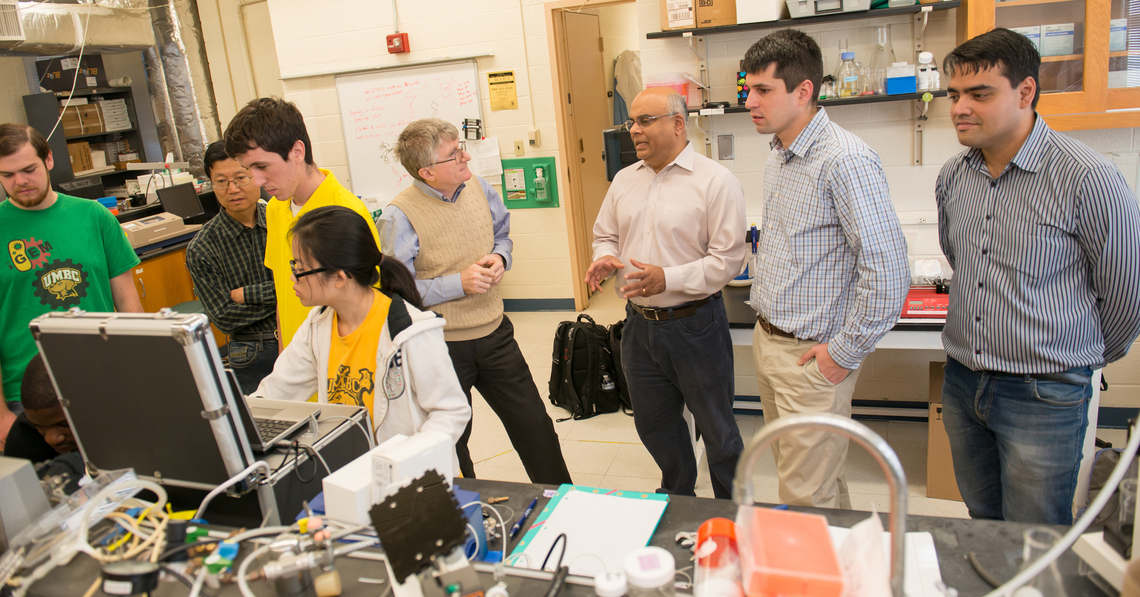
UMBC CSEE Research Seminar
Biomedical Engineering Projects at CAST
Dr. Yordan Kostov
UMBC Center for Advanced Sensing Technology
1-2pm, Friday, 9 December 2016, ITE 229
The Center for Advanced Sensor Technology is currently leading two projects: “Biologics manufacturing on demand,” funded by DARPA, and “A wearable asthma trigger monitoring system with integrated physiological monitor,” funded by NIH. The first project is focused on shrinking the footprint of a pharmaceutical factory down to suitcase, capable of producing biologics within twelve hours from the start. There is an ample need for drastically rethinking every detail of the process, with the need to miniaturize all the fluidic components (tanks, mixers, purification columns) and to create networked versions of the shakers, pumps, valves and sensors. The presentation highlights the need for novel sensing devices for process control and drug release. The second project is focused on development of three separate sensors for measuring CO2 in blood, concentration of dust particulate in air, and respiration rate. These sensors must be networked together to collect real time data and transfer them to a central depository via a cell phone app. The presentation highlights the different challenges in creating the sensors.
Dr. Yordan Kostov holds the B.Sc. and M.Sc. in Electrical Engineering, from Odessa Politechnic Institute, Ukraine. He received a Ph.D. Degree in Electrical/Chemical Engineering from Bulgarian Academy of Sciences for his work in the area of optical chemical sensors and biosensors. His post-doctoral training includes fellowships at University of Hannover, Germany and University of Maryland Biotechnology Institute. He was an assistant professor in the Department of Biotechincs, Sofia Technical University, Bulgaria. Since 2000, he is a research professor in the Department of Chemical and Biochemical Engineering, University of Maryland, Baltimore County (UMBC), with an appointment as assistant director of the UMBC Center for Advanced Sensor Technology. He is an affiliate professor in CSEE. Dr. Kostov is involved in the development of chemical and biochemical sensors for biotechnology and biomedical applications.
Organizers: Tulay Adali (*protected email*) and Alan T. Sherman (*protected email*)
About the CSEE Seminar Series: The UMBC Department of Computer Science and Electrical Engineering presents technical talks on current significant research projects of broad interest to the Department and the research community. Each talk is free and open to the public. We welcome your feedback and suggestions for future talks.
Other UMBC CSEE Seminar Series: The UMBC Cyber Defense Lab (CDL) meets biweekly Fridays 11:15am-12:30pm in ITE 229, for research talks about cybersecurity.
The post talk: Biomedical Engineering Projects at UMBC’s Center for Advanced Sensor Technology appeared first on Department of Computer Science and Electrical Engineering.
]]>
UMBC CSEE Research Seminar Biomedical Engineering Projects at CAST Dr. Yordan Kostov UMBC Center for Advanced Sensing Technology 1-2pm, Friday, 9 December 2016, ITE 229 The Center for...
https://www.csee.umbc.edu/2016/12/biomedical-engineering-projects-umbc-cast/
https://dev.my.umbc.edu/api/v0/pixel/news/64598/guest@my.umbc.edu/8828a07043ea67cf8a78a34039c2d4d7/api/pixel
news
talks
Computer Science and Electrical Engineering
https://dev.my.umbc.edu/groups/csee
https://assets3-dev.my.umbc.edu/system/shared/avatars/groups/000/000/099/d117dca133c64bf78a4b7696dd007189/xsmall.png?1314043393
https://assets1-dev.my.umbc.edu/system/shared/avatars/groups/000/000/099/d117dca133c64bf78a4b7696dd007189/original.png?1314043393
https://assets1-dev.my.umbc.edu/system/shared/avatars/groups/000/000/099/d117dca133c64bf78a4b7696dd007189/xxlarge.png?1314043393
https://assets4-dev.my.umbc.edu/system/shared/avatars/groups/000/000/099/d117dca133c64bf78a4b7696dd007189/xlarge.png?1314043393
https://assets3-dev.my.umbc.edu/system/shared/avatars/groups/000/000/099/d117dca133c64bf78a4b7696dd007189/large.png?1314043393
https://assets1-dev.my.umbc.edu/system/shared/avatars/groups/000/000/099/d117dca133c64bf78a4b7696dd007189/medium.png?1314043393
https://assets2-dev.my.umbc.edu/system/shared/avatars/groups/000/000/099/d117dca133c64bf78a4b7696dd007189/small.png?1314043393
https://assets3-dev.my.umbc.edu/system/shared/avatars/groups/000/000/099/d117dca133c64bf78a4b7696dd007189/xsmall.png?1314043393
https://assets3-dev.my.umbc.edu/system/shared/avatars/groups/000/000/099/d117dca133c64bf78a4b7696dd007189/xxsmall.png?1314043393
Computer Science and Electrical Engineering
1
0
true
Thu, 01 Dec 2016 23:13:30 -0500
Event: Wanted, One Million IT Security Specialists by 2018
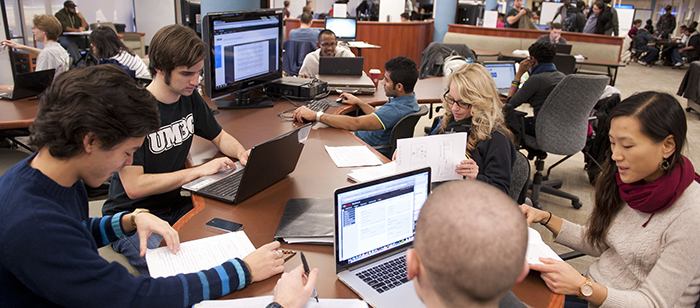
Students, faculty, staff and community members are invited to join CWIT and STEMRules for a lunch event to hear from and network with diverse professionals from across the cybersecurity industry.
Wanted: One Million IT Security Specialists by 2018
You Could be One of Them
12-1:30pm Friday, 2 December 2016
Albin O. Kuhn Library Gallery (1st floor)
Lunch will be provided
RSVP: Please respond by December 1, 2016
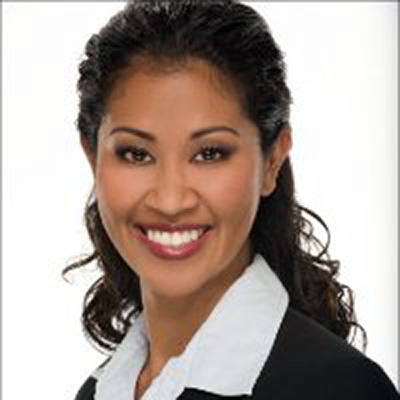
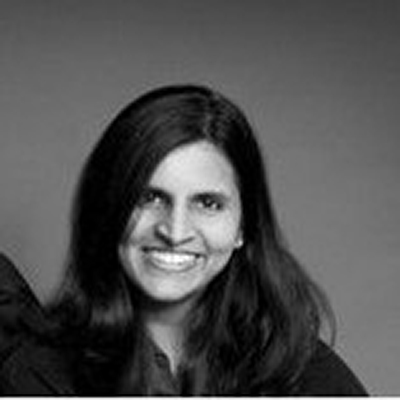
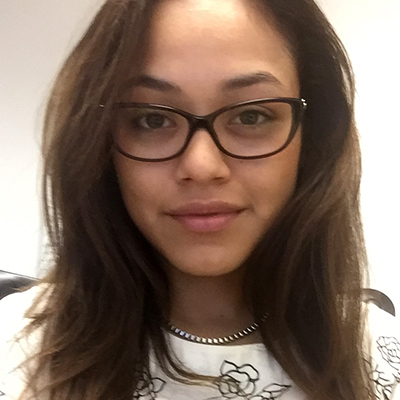
UMBC CWIT and STEMRules host cyber professionals from the public, private, and nonprofit sectors who will relate their personal/professional journeys, answer questions and be available for networking. Speakers will include the following individuals:
- Veda Woods is an executive at an undisclosed Fortune 500 financial institution, a member of multiple boards and the executive director of the International Consortium of Minority Cybersecurity Professionals.
- William McBorrough is a second-generation engineer is the founder and Managing Director of Washington, DC-based McGlobalTech and an information security and risk management consultant.
- Pamela E. Carbajal is a Cyber Security Compliance and Policy Analyst, Senior Consultant, at Booz Allen Hamilton, a global management and technology consulting and engineering services firm.
- Mahalakshmi “Maha” Venkataraman is a Senior Manager in the Software Engineering unit, and the technology lead for the anti-money laundering investigation team at Capital One, a major bank holding company.
- Lisa Jiggetts is the founder of the Women’s Society of Cyberjutsu, a nonprofit dedicated to empowering women to succeed in the cybersecurity field. She is a also a freelance mobile security consultant.

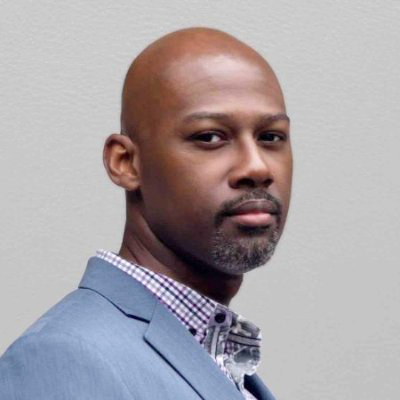
The post Event: Wanted, One Million IT Security Specialists by 2018 appeared first on Department of Computer Science and Electrical Engineering.
]]>
Students, faculty, staff and community members are invited to join CWIT and STEMRules for a lunch event to hear from and network with diverse professionals from across the cybersecurity industry....
https://www.csee.umbc.edu/2016/12/event-wanted-one-million-security-specialists-2018/
https://dev.my.umbc.edu/api/v0/pixel/news/64599/guest@my.umbc.edu/5a63c156cfe59a27c1cae240b007cf07/api/pixel
computer-engineering
computer-science
cwit
cybersecurity
data-science
electrical-engineering
jobs
news
talks
Computer Science and Electrical Engineering
https://dev.my.umbc.edu/groups/csee
https://assets3-dev.my.umbc.edu/system/shared/avatars/groups/000/000/099/d117dca133c64bf78a4b7696dd007189/xsmall.png?1314043393
https://assets1-dev.my.umbc.edu/system/shared/avatars/groups/000/000/099/d117dca133c64bf78a4b7696dd007189/original.png?1314043393
https://assets1-dev.my.umbc.edu/system/shared/avatars/groups/000/000/099/d117dca133c64bf78a4b7696dd007189/xxlarge.png?1314043393
https://assets4-dev.my.umbc.edu/system/shared/avatars/groups/000/000/099/d117dca133c64bf78a4b7696dd007189/xlarge.png?1314043393
https://assets3-dev.my.umbc.edu/system/shared/avatars/groups/000/000/099/d117dca133c64bf78a4b7696dd007189/large.png?1314043393
https://assets1-dev.my.umbc.edu/system/shared/avatars/groups/000/000/099/d117dca133c64bf78a4b7696dd007189/medium.png?1314043393
https://assets2-dev.my.umbc.edu/system/shared/avatars/groups/000/000/099/d117dca133c64bf78a4b7696dd007189/small.png?1314043393
https://assets3-dev.my.umbc.edu/system/shared/avatars/groups/000/000/099/d117dca133c64bf78a4b7696dd007189/xsmall.png?1314043393
https://assets3-dev.my.umbc.edu/system/shared/avatars/groups/000/000/099/d117dca133c64bf78a4b7696dd007189/xxsmall.png?1314043393
Computer Science and Electrical Engineering
1
0
true
Thu, 01 Dec 2016 09:16:52 -0500
talk: Genetic ancestry predicts striatal dopamine D2 receptors, 1pm Dec 2, ITE229
UMBC CSEE Seminar Series
Genetic ancestry predicts striatal dopamine D2 receptors
Dr. Corinde Wiers
National Institute on Alcohol Abuse and Alcoholism, Bethesda, MD
1-2pm Friday, 2 December 2016, ITE 229, UMBC
Genetic ancestry was recently found to be associated with cortical geometry, cortical surface, and total brain volume in humans. Despite ethnic differences in allele frequency in dopaminergic genes associated with dopamine D2/D3 receptor availability (D2R), no study to date has investigated the relationship between genetic ancestry and striatal D2R. Here, we show that genetic informative markers significantly predict dorsal striatal D2R in 117 healthy ethnically diverse residents of the New York metropolitan area using Positron Emission Tomography (PET) with [11C]raclopride, while correcting for age, sex, BMI, education years, and estimated socioeconomic status based on individuals’ ZIP codes. Striatal D2R may thus be modulated by genetic ancestry, although differences in environmental factors between ethnic groups could mediate these effects. Findings may have implications for pharmacological treatment targeting D2R, such as antipsychotic D2R antagonists.
Corinde Wiers, PhD, is a Research Fellow at the National Institute on Alcohol Abuse and Alcoholism, in the Laboratory of Neuroimaging of Nora D. Volkow, M.D. After her studies in Psychology and Psychobiology at the University of Amsterdam (Netherlands) and Sussex University (UK) in 2010, she completed her PhD in Psychology at the Berlin School of Mind and Brain and Free University Berlin (Germany) in 2014, where she investigated neural underpinnings of automatic approach behavior to alcohol cues, and neural effects of behavioral trainings in patients with alcohol use disorder. The main goal of Dr. Wiers’ research is to understand cognitive, neurobiological and (epi)genetic processes involved in drug addiction, using functional MRI, PET, psychophysics and molecular techniques. She currently works on how peripheral epigenetic markers relate to brain functioning in drug addiction and other psychiatric disorders. Further research interests include the neurobiology of sleep, effects of sleep deprivation, comorbidities of sleep and substance use disorders, and how neuroimaging techniques can be of use for treatment in psychiatry.
Host: Tulay Adali
About the CSEE Seminar Series: The UMBC Department of Computer Science and Electrical Engineering presents technical talks on current significant research projects of broad interest to the Department and the research community. Each talk is free and open to the public. We welcome your feedback and suggestions for future talks.
Organizers: Tulay Adali and Alan Sherman
The post talk: Genetic ancestry predicts striatal dopamine D2 receptors, 1pm Dec 2, ITE229 appeared first on Department of Computer Science and Electrical Engineering.
]]>
UMBC CSEE Seminar Series Genetic ancestry predicts striatal dopamine D2 receptors Dr. Corinde Wiers National Institute on Alcohol Abuse and Alcoholism, Bethesda, MD 1-2pm Friday, 2 December...
https://www.csee.umbc.edu/2016/11/genetic-ancestry-predicts-striatal-dopamine-d2-receptors/
https://dev.my.umbc.edu/api/v0/pixel/news/64600/guest@my.umbc.edu/2eb9b42760edf9e99e3bb080dc41dac3/api/pixel
data-science
news
talks
Computer Science and Electrical Engineering
https://dev.my.umbc.edu/groups/csee
https://assets3-dev.my.umbc.edu/system/shared/avatars/groups/000/000/099/d117dca133c64bf78a4b7696dd007189/xsmall.png?1314043393
https://assets1-dev.my.umbc.edu/system/shared/avatars/groups/000/000/099/d117dca133c64bf78a4b7696dd007189/original.png?1314043393
https://assets1-dev.my.umbc.edu/system/shared/avatars/groups/000/000/099/d117dca133c64bf78a4b7696dd007189/xxlarge.png?1314043393
https://assets4-dev.my.umbc.edu/system/shared/avatars/groups/000/000/099/d117dca133c64bf78a4b7696dd007189/xlarge.png?1314043393
https://assets3-dev.my.umbc.edu/system/shared/avatars/groups/000/000/099/d117dca133c64bf78a4b7696dd007189/large.png?1314043393
https://assets1-dev.my.umbc.edu/system/shared/avatars/groups/000/000/099/d117dca133c64bf78a4b7696dd007189/medium.png?1314043393
https://assets2-dev.my.umbc.edu/system/shared/avatars/groups/000/000/099/d117dca133c64bf78a4b7696dd007189/small.png?1314043393
https://assets3-dev.my.umbc.edu/system/shared/avatars/groups/000/000/099/d117dca133c64bf78a4b7696dd007189/xsmall.png?1314043393
https://assets3-dev.my.umbc.edu/system/shared/avatars/groups/000/000/099/d117dca133c64bf78a4b7696dd007189/xxsmall.png?1314043393
Computer Science and Electrical Engineering
1
0
true
Wed, 30 Nov 2016 22:59:45 -0500
talk: Dr. Phyllis Schneck (DHS) on The Need for Speed in Cybersecurity

CHMPR Distinguished Lecturers Series
The Need for Speed
Deputy Under Secretary of Cybersecurity
Department of Homeland Security
3:30pm Thursday, 1 December 2016, UC 310
3:00pm Coffee, tea, and cookies
As computers get faster, they change the world. Processors get smaller, the number of devices with processors gets bigger, and the amount of information that can be produced and transported grows exponentially. Everything on the planet, unless one can eat it, is likely to have electronic logic within – and, most recently, to be connected to other devices. Our way of life and critical infrastructures, from power and water to finance is enabled by this ability to process light, and transport information at that speed. The speed of computing is enabling new conveniences and capabilities, and furthering science in directions never before imagined from DNA studies to particle physics. This amazingly connected world, however, introduces new vulnerabilities as many connected devices were not designed to be safe from unauthorized access and use. We must pay special attention to protecting infrastructure components such as information and the intricate signaling systems that generate and distribute electricity. This requires specialized algorithms to mine the masses of data to recognize normal internet activity from potential threat indicators. The goal is to create a more self-healing network, accomplishing with information what nature does with biological responses – creating an electronic immune system. Cognitive computing can provide groundbreaking results in data mining and analysis that will enhance the Cybersecurity to protect the other applications such as genomic and physics research. Software and hardware developers need to work together to create the algorithms and custom hardware to minimize heat, maximize computation and, finally, create a secure design.
We can use the speed of computing to enhance Cybersecurity as well – thus the paradox of the need for speed to protect itself.
Dr. Phyllis Schneck is the Deputy Under Secretary for Cybersecurity & Communications with the Department of Homeland Security, where she is also the Chief Cybersecurity Official. Previously held positions include Chief Technology Officer for Global Public Sector, McAfee, Inc.; VP of Enterprise Services, eCommSecurity; and VP of Corporate Strategy for SecureWorks, Inc. Schneck earned her Ph.D. in computer science from Georgia Tech and pioneered the field of info security and security-based high-performance computing at Georgia Tech. She holds seven information security patents and has six research publications in the areas of info security, real-time systems, telecom and software engineering.
If you plan on attending, please RSVP to Michelle Bobovych at *protected email* to ensure we have a sufficient number of chairs.
The post talk: Dr. Phyllis Schneck (DHS) on The Need for Speed in Cybersecurity appeared first on Department of Computer Science and Electrical Engineering.
]]>
CHMPR Distinguished Lecturers Series The Need for Speed Dr. Phyllis A. Schneck Deputy Under Secretary of Cybersecurity Department of Homeland Security 3:30pm Thursday, 1 December 2016, UC...
https://www.csee.umbc.edu/2016/11/talk-phyllis-schneck-dhs-cybresecurity/
https://dev.my.umbc.edu/api/v0/pixel/news/64601/guest@my.umbc.edu/c232c85dcd5cfcaa03d8c06fb777f31f/api/pixel
computer-science
cybersecurity
news
talks
Computer Science and Electrical Engineering
https://dev.my.umbc.edu/groups/csee
https://assets3-dev.my.umbc.edu/system/shared/avatars/groups/000/000/099/d117dca133c64bf78a4b7696dd007189/xsmall.png?1314043393
https://assets1-dev.my.umbc.edu/system/shared/avatars/groups/000/000/099/d117dca133c64bf78a4b7696dd007189/original.png?1314043393
https://assets1-dev.my.umbc.edu/system/shared/avatars/groups/000/000/099/d117dca133c64bf78a4b7696dd007189/xxlarge.png?1314043393
https://assets4-dev.my.umbc.edu/system/shared/avatars/groups/000/000/099/d117dca133c64bf78a4b7696dd007189/xlarge.png?1314043393
https://assets3-dev.my.umbc.edu/system/shared/avatars/groups/000/000/099/d117dca133c64bf78a4b7696dd007189/large.png?1314043393
https://assets1-dev.my.umbc.edu/system/shared/avatars/groups/000/000/099/d117dca133c64bf78a4b7696dd007189/medium.png?1314043393
https://assets2-dev.my.umbc.edu/system/shared/avatars/groups/000/000/099/d117dca133c64bf78a4b7696dd007189/small.png?1314043393
https://assets3-dev.my.umbc.edu/system/shared/avatars/groups/000/000/099/d117dca133c64bf78a4b7696dd007189/xsmall.png?1314043393
https://assets3-dev.my.umbc.edu/system/shared/avatars/groups/000/000/099/d117dca133c64bf78a4b7696dd007189/xxsmall.png?1314043393
Computer Science and Electrical Engineering
1
0
true
Tue, 29 Nov 2016 10:23:42 -0500
talk: Cognitive Computing & Visualization at IBM Research/RPI, 10am Thur 5/19, UMBC
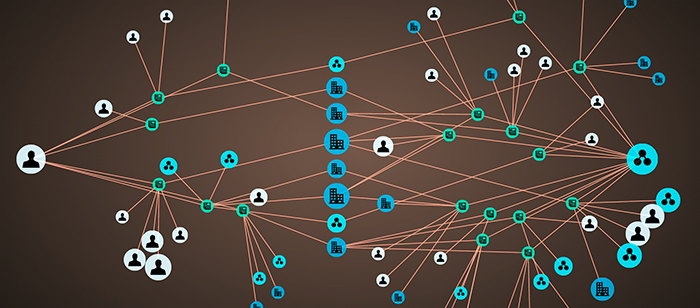
Cognitive Computing and Visualization at IBM Research/RPI CISL
Dr. Hui Su, IBM Research
10:00-11:00am, Thursday, 19 May 2016, ITE 325b
Dr. Hui Su will talk about Cognitive and Immersive Systems Lab, a research initiative to develop the new frontier of immersive cognitive systems that explore and advance natural, collaborative problem-solving among groups of humans and machines. This lab is a collaboration between IBM Research and Rensselaer Polytechnic Institute. Dr. Su will talk about why the research for human computer interaction is extended to build a symbiotic relationship between human beings and smart machines, what research is going to be important to build immersive cognitive systems in order to transform the way professionals work in the future.
Dr. Hui Su is the Director of Cognitive and Immersive Systems Lab, a collaboration between IBM Research and Rensselaer Polytechnic Institute. He has been a technical leader and an executive at IBM Research. Most recently, he was the Director of IBM Cambridge Research Lab in Cambridge, MA and was responsible for a broad scope of global missions in IBM Research, including Cognitive User Experience, Center for Innovation in Visual Analytics and Center for Social Business. As a technical leader and a researcher for 19 years at IBM Research, Dr. Su has been an expert in multiple areas ranging from Human Computer Interaction, Cloud Computing, Visual Analytics, and Neural Network Algorithms for Image Recognition etc. As an executive, he has been leading research labs and research teams in the US and China. He is passionate about game-changing ideas and fundamental research, passionate in speeding up the impact generation process for technical innovations, discovering and developing new linkages between innovative research work and business needs.
Host: Jian Chen (Sorry, you need javascript to view this email address. )
]]>
Cognitive Computing and Visualization at IBM Research/RPI CISL Dr. Hui Su, IBM Research 10:00-11:00am, Thursday, 19 May 2016, ITE 325b Dr. Hui Su will talk about Cognitive and Immersive...
http://www.csee.umbc.edu/2016/05/talk-cognitive-computing-visualization-at-ibm-researchrpi-10am-thur-519-umbc/
https://dev.my.umbc.edu/api/v0/pixel/news/60205/guest@my.umbc.edu/1fc1cf7e20f45cdbf6047bab251ec583/api/pixel
ai
computer-science
data-science
news
research
talks
Computer Science and Electrical Engineering
https://dev.my.umbc.edu/groups/csee
https://assets3-dev.my.umbc.edu/system/shared/avatars/groups/000/000/099/d117dca133c64bf78a4b7696dd007189/xsmall.png?1314043393
https://assets1-dev.my.umbc.edu/system/shared/avatars/groups/000/000/099/d117dca133c64bf78a4b7696dd007189/original.png?1314043393
https://assets1-dev.my.umbc.edu/system/shared/avatars/groups/000/000/099/d117dca133c64bf78a4b7696dd007189/xxlarge.png?1314043393
https://assets4-dev.my.umbc.edu/system/shared/avatars/groups/000/000/099/d117dca133c64bf78a4b7696dd007189/xlarge.png?1314043393
https://assets3-dev.my.umbc.edu/system/shared/avatars/groups/000/000/099/d117dca133c64bf78a4b7696dd007189/large.png?1314043393
https://assets1-dev.my.umbc.edu/system/shared/avatars/groups/000/000/099/d117dca133c64bf78a4b7696dd007189/medium.png?1314043393
https://assets2-dev.my.umbc.edu/system/shared/avatars/groups/000/000/099/d117dca133c64bf78a4b7696dd007189/small.png?1314043393
https://assets3-dev.my.umbc.edu/system/shared/avatars/groups/000/000/099/d117dca133c64bf78a4b7696dd007189/xsmall.png?1314043393
https://assets3-dev.my.umbc.edu/system/shared/avatars/groups/000/000/099/d117dca133c64bf78a4b7696dd007189/xxsmall.png?1314043393
Computer Science and Electrical Engineering
1
0
true
Tue, 17 May 2016 11:53:43 -0400
Tue, 17 May 2016 11:53:43 -0400
talk: Predicting Demographics and Affects in Social Networks, 11am Fri 5/13, UMBC
UMBC Information Systems Department
Predicting Demographics and Affects in Social Networks
11am Friday, 13 May 2016, ITE 459
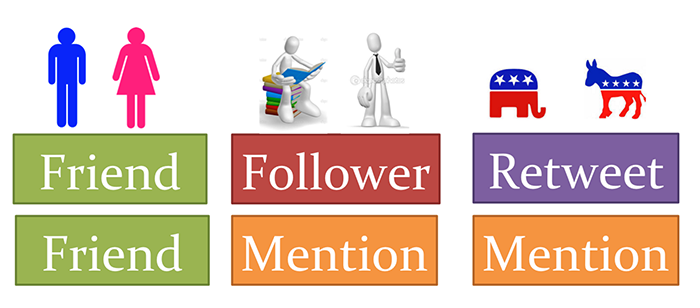
Social media predictive analytics bring unique opportunities to study people and their behaviors in real time, at an unprecedented scale: who they are, what they like and what they think and feel. Such large-scale real-time social media predictive analytics provide a novel set of conditions for the construction of predictive models. This talk focuses on various approaches to handling this dynamic data for predicting latent user demographics, from constrained-resource batch classification, to incremental bootstrapping, and then iterative learning via interactive rationale (feature) crowdsourcing. In addition, we present the relationships between a variety of perceived user properties e.g., income, education etc. and opinions, emotions and interests in a social network.
Svitlana Volkova received her PhD in Computer Science from Johns Hopkins University. She was affiliated with the Center for Language and Speech Processing and the Human Language Technology Center of Excellence. Her PhD research focused on building predictive models for sociolinguistic content analysis in social media. She built online models for streaming social media analytics, fine-grained emotion detection and multilingual sentiment analysis, and effective annotation techniques via crowdsourcing incorporated into the active learning framework. She interned at Microsoft Research in 2011, 2012 and 2014 at the Natural Language Processing and Machine Learning and Perception teams. She was awarded the Google Anita Borg Memorial Scholarship in 2010 and the Fulbright Scholarship in 2008.
]]>
UMBC Information Systems Department Predicting Demographics and Affects in Social Networks Dr. Svitlana Volkova Pacific Northwest National Laboratory 11am Friday, 13 May 2016, ITE 459...
http://www.csee.umbc.edu/2016/05/talk-predicting-demographics-and-affects-in-social-networks-11am-fri-513-umbc/
https://dev.my.umbc.edu/api/v0/pixel/news/60136/guest@my.umbc.edu/e698957f6ef16b523bccbbbfa3dd9131/api/pixel
computer-science
data-science
news
research
talks
Computer Science and Electrical Engineering
https://dev.my.umbc.edu/groups/csee
https://assets3-dev.my.umbc.edu/system/shared/avatars/groups/000/000/099/d117dca133c64bf78a4b7696dd007189/xsmall.png?1314043393
https://assets1-dev.my.umbc.edu/system/shared/avatars/groups/000/000/099/d117dca133c64bf78a4b7696dd007189/original.png?1314043393
https://assets1-dev.my.umbc.edu/system/shared/avatars/groups/000/000/099/d117dca133c64bf78a4b7696dd007189/xxlarge.png?1314043393
https://assets4-dev.my.umbc.edu/system/shared/avatars/groups/000/000/099/d117dca133c64bf78a4b7696dd007189/xlarge.png?1314043393
https://assets3-dev.my.umbc.edu/system/shared/avatars/groups/000/000/099/d117dca133c64bf78a4b7696dd007189/large.png?1314043393
https://assets1-dev.my.umbc.edu/system/shared/avatars/groups/000/000/099/d117dca133c64bf78a4b7696dd007189/medium.png?1314043393
https://assets2-dev.my.umbc.edu/system/shared/avatars/groups/000/000/099/d117dca133c64bf78a4b7696dd007189/small.png?1314043393
https://assets3-dev.my.umbc.edu/system/shared/avatars/groups/000/000/099/d117dca133c64bf78a4b7696dd007189/xsmall.png?1314043393
https://assets3-dev.my.umbc.edu/system/shared/avatars/groups/000/000/099/d117dca133c64bf78a4b7696dd007189/xxsmall.png?1314043393
Computer Science and Electrical Engineering
0
0
true
Thu, 12 May 2016 19:07:47 -0400
talk: Topic Modeling for Analyzing Document Collection, 11am Mon 3/16

CHMPR Lecture Series
-
Topic Modeling for Analyzing Document Collection
Mitsunori Ogihara
Department of Computer Science, University of Miami
11:00am Monday, 16 May 2016, ITE 325b, UMBC
Topic modeling (in particular, Latent Dirichlet Analysis) is a technique for analyzing a large collection of documents. In topic modeling we view each document as a frequency vector over a vocabulary and each topic as a static distribution over the vocabulary. Given a desired number, K, of document classes, a topic modeling algorithm attempts to estimate concurrently K static distributions and for each document how much each K class contributes. Mathematically, this is the problem of approximating the matrix generated by stacking the frequency vectors into the product of two non-negative matrices, where both the column dimension of the first matrix and the row dimension of the second matrix are equal to K. Topic modeling is gaining popularity recently, for analyzing large collections of documents.
In this talk I will present some examples of applying topic modeling: (1) a small sentiment analysis of a small collection of short patient surveys, (2) exploratory content analysis of a large collection of letters, (3) document classification based upon topics and other linguistic features, and (4) exploratory analysis of a large collection of literally works. I will speak not only the exact topic modeling steps but also all the preprocessing steps for preparing the documents for topic modeling.
Mitsunori Ogihara is a Professor of Computer Science at the University of Miami, Coral Gables, Florida. There he directs the Data Mining Group in the Center for Computational Science, a university-wide organization for providing resources and consultation for large-scale computation. He has published three books and approximately 190 papers in conferences and journals. He is on the editorial board for Theory of Computing Systems and International Journal of Foundations of Computer Science. Ogihara received a Ph.D. in Information Sciences from Tokyo Institute of Technology in 1993 and was a tenure-track/tenured faculty member in the Department of Computer Science at the University of Rochester from 1994 to 2007.
]]>
CHMPR Lecture Series Topic Modeling for Analyzing Document Collection Mitsunori Ogihara Department of Computer Science, University of Miami 11:00am Monday, 16 May 2016, ITE 325b,...
http://www.csee.umbc.edu/2016/05/talk-topic-modeling-for-analyzing-document-collection-11am-mon-316/
https://dev.my.umbc.edu/api/v0/pixel/news/60131/guest@my.umbc.edu/91fb0afc30b52a265bc7d9a766de7bd8/api/pixel
computer-science
data-science
news
research
talks
Computer Science and Electrical Engineering
https://dev.my.umbc.edu/groups/csee
https://assets3-dev.my.umbc.edu/system/shared/avatars/groups/000/000/099/d117dca133c64bf78a4b7696dd007189/xsmall.png?1314043393
https://assets1-dev.my.umbc.edu/system/shared/avatars/groups/000/000/099/d117dca133c64bf78a4b7696dd007189/original.png?1314043393
https://assets1-dev.my.umbc.edu/system/shared/avatars/groups/000/000/099/d117dca133c64bf78a4b7696dd007189/xxlarge.png?1314043393
https://assets4-dev.my.umbc.edu/system/shared/avatars/groups/000/000/099/d117dca133c64bf78a4b7696dd007189/xlarge.png?1314043393
https://assets3-dev.my.umbc.edu/system/shared/avatars/groups/000/000/099/d117dca133c64bf78a4b7696dd007189/large.png?1314043393
https://assets1-dev.my.umbc.edu/system/shared/avatars/groups/000/000/099/d117dca133c64bf78a4b7696dd007189/medium.png?1314043393
https://assets2-dev.my.umbc.edu/system/shared/avatars/groups/000/000/099/d117dca133c64bf78a4b7696dd007189/small.png?1314043393
https://assets3-dev.my.umbc.edu/system/shared/avatars/groups/000/000/099/d117dca133c64bf78a4b7696dd007189/xsmall.png?1314043393
https://assets3-dev.my.umbc.edu/system/shared/avatars/groups/000/000/099/d117dca133c64bf78a4b7696dd007189/xxsmall.png?1314043393
Computer Science and Electrical Engineering
0
0
true
Thu, 12 May 2016 17:26:43 -0400