talk: Detection of Chemical, Biological and Explosive...
Full Title: talk: Detection of Chemical, Biological and Explosive Materials, 11:30am Fri 10/21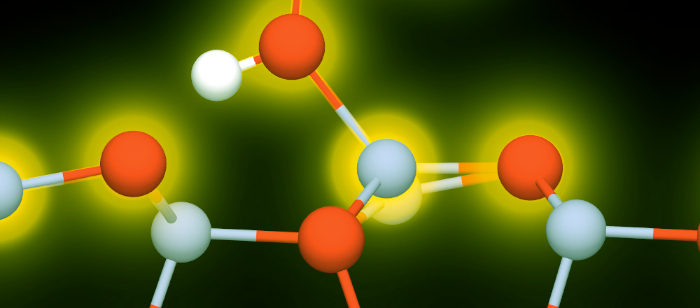
EE Graduate Seminar
Detection and Classification of Chemical, Biological, and Explosive
Materials: A Brief Overview of Several Cutting-Edge Problem Areas
Darren Emge
PI and Deputy Branch Chief
Laser Standoff Detection Branch
US Army Edgewood Chemical Biological Center
11:30am-12:45pm Friday, 21 October 11, ITE 231
The detection and classification of chemical, biological, and explosive (CBE) materials is an area of extremely active research. With the advent of new sensor technologies and sensing methods there is the rapidly growing need for timely robust detection and classification algorithms. Several factors associated with emerging sensors offer novel challenges for the signal processing community. As sensor platforms become more mobile the added complexities of "on the move" standoff detection requires the use of non-stationary and adaptive methods. Ever increasing overall sensitivity introduces variations in signal response and many methods currently lack adequate performance models or ground truth. Reduction in size, weight, and power, along with real time performance, further limit approaches that can be used in addressing these issues. This presentation will provide a brief overview of several of these cutting edge problem areas and offer a glimpse into this challenging problem space.
Mr. Darren Emge earned a BS in Physics from UMBC in 1992. He then went to work for the University of Maryland Medical System, Department of Neurology. During his time at University Medical System, he developed analysis algorithms for evoked response potentials (ERP), functional magnetic resonance (fMRI), or neuronal mapping. He also supported the cognitive psychology group in the development of a pupil motion tracking system in the study of dyslexia. Mr. Emge earned the MSEE from UMBC/CSEE Dept in 2000. In 2001 He joined the US Army ECBC passive detection team investigating advanced mathematical techniques for the detection of chemical vapors based on Fourier transform infrared (FTRI) imaging. In 2003 Mr. Emge was promoted to a Principal Investigator (PI) in the laser standoff detection branch, where he currently serves as PI and Deputy Branch Chief. His current work is in the areas of the detection of small signals, detection of non-stationary signals, and the application of non-linear signal processing methods for the detection of biological and trace chemical/explosive materials.
Seminar Host: Prof. Joel M. Morris
]]>
Full Title: talk: Detection of Chemical, Biological and Explosive Materials, 11:30am Fri 10/21 EE Graduate Seminar Detection and Classification of Chemical, Biological, and Explosive...
http://www.cs.umbc.edu/2011/10/talk-detection-of-chemical-biological-and-explosive-materials-1130am-fri-1021/
https://dev.my.umbc.edu/api/v0/pixel/news/9596/guest@my.umbc.edu/07256e56e02a278530146d2679b897ce/api/pixel
electrical-engineering
graduate
news
research
talks
Computer Science and Electrical Engineering
https://dev.my.umbc.edu/groups/csee
https://assets3-dev.my.umbc.edu/system/shared/avatars/groups/000/000/099/d117dca133c64bf78a4b7696dd007189/xsmall.png?1314043393
https://assets1-dev.my.umbc.edu/system/shared/avatars/groups/000/000/099/d117dca133c64bf78a4b7696dd007189/original.png?1314043393
https://assets1-dev.my.umbc.edu/system/shared/avatars/groups/000/000/099/d117dca133c64bf78a4b7696dd007189/xxlarge.png?1314043393
https://assets4-dev.my.umbc.edu/system/shared/avatars/groups/000/000/099/d117dca133c64bf78a4b7696dd007189/xlarge.png?1314043393
https://assets3-dev.my.umbc.edu/system/shared/avatars/groups/000/000/099/d117dca133c64bf78a4b7696dd007189/large.png?1314043393
https://assets1-dev.my.umbc.edu/system/shared/avatars/groups/000/000/099/d117dca133c64bf78a4b7696dd007189/medium.png?1314043393
https://assets2-dev.my.umbc.edu/system/shared/avatars/groups/000/000/099/d117dca133c64bf78a4b7696dd007189/small.png?1314043393
https://assets3-dev.my.umbc.edu/system/shared/avatars/groups/000/000/099/d117dca133c64bf78a4b7696dd007189/xsmall.png?1314043393
https://assets3-dev.my.umbc.edu/system/shared/avatars/groups/000/000/099/d117dca133c64bf78a4b7696dd007189/xxsmall.png?1314043393
Computer Science and Electrical Engineering
2
0
true
Mon, 17 Oct 2011 21:31:18 -0400
Prof. Lomonaco talks on Quantum Knots, Quantum Braids...
Full Title: Prof. Lomonaco talks on Quantum Knots, Quantum Braids and Quantum Computing
CSEE processor Samuel J. Lomonaco is giving a talk on his research on quantum computing as part of the Joint Quantum Institute seminar series sponsored by UMCP and NIST. The talk will be given at 12:30pm Monday 17 October, in room 1201 in the Physics building at College Park.
Quantum knots and quantum braids: Their possible application to superfluid vortices and to topological quantum computing in optical lattices.
In this talk, we show how to reconstruct knot theory in such a way that it is intimately related to quantum physics. In particular, we give a blueprint for creating a quantum system that has the dynamic behavior of a closed knotted piece of rope moving in 3-space. Within this framework, knot invariants become physically measurable quantum observables, knot moves become unitary transformations, with knot dynamics determined by the Schroedinger equation. The same approach can also be applied to the theory of braids. Toward the end of the talk, we look at possible applications to superfluid vortices and to topological quantum computing in optical lattices.
For more information, see the entry on the Joint Quantum Institute calendar.
]]>
Full Title: Prof. Lomonaco talks on Quantum Knots, Quantum Braids and Quantum Computing CSEE processor Samuel J. Lomonaco is giving a talk on his research on quantum computing as part of the...
http://www.cs.umbc.edu/2011/10/prof-lomonaco-talks-on-quantum-knots-quantum-braids-and-quantum-computing/
https://dev.my.umbc.edu/api/v0/pixel/news/9555/guest@my.umbc.edu/c25f38a24b3ff2ccecbcdb3854e2f465/api/pixel
computer-science
news
research
talks
Computer Science and Electrical Engineering
https://dev.my.umbc.edu/groups/csee
https://assets3-dev.my.umbc.edu/system/shared/avatars/groups/000/000/099/d117dca133c64bf78a4b7696dd007189/xsmall.png?1314043393
https://assets1-dev.my.umbc.edu/system/shared/avatars/groups/000/000/099/d117dca133c64bf78a4b7696dd007189/original.png?1314043393
https://assets1-dev.my.umbc.edu/system/shared/avatars/groups/000/000/099/d117dca133c64bf78a4b7696dd007189/xxlarge.png?1314043393
https://assets4-dev.my.umbc.edu/system/shared/avatars/groups/000/000/099/d117dca133c64bf78a4b7696dd007189/xlarge.png?1314043393
https://assets3-dev.my.umbc.edu/system/shared/avatars/groups/000/000/099/d117dca133c64bf78a4b7696dd007189/large.png?1314043393
https://assets1-dev.my.umbc.edu/system/shared/avatars/groups/000/000/099/d117dca133c64bf78a4b7696dd007189/medium.png?1314043393
https://assets2-dev.my.umbc.edu/system/shared/avatars/groups/000/000/099/d117dca133c64bf78a4b7696dd007189/small.png?1314043393
https://assets3-dev.my.umbc.edu/system/shared/avatars/groups/000/000/099/d117dca133c64bf78a4b7696dd007189/xsmall.png?1314043393
https://assets3-dev.my.umbc.edu/system/shared/avatars/groups/000/000/099/d117dca133c64bf78a4b7696dd007189/xxsmall.png?1314043393
Computer Science and Electrical Engineering
2
1
true
Sat, 15 Oct 2011 17:41:00 -0400
talk: Optical Sensors for Biotechnology & Bioengineering
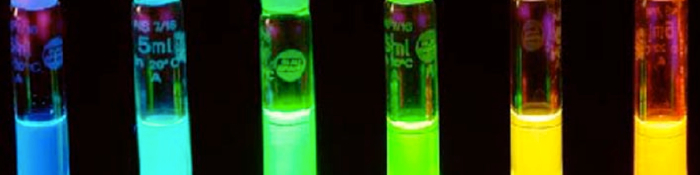
EE Graduate Seminar
Optical Sensors for Biotechnology and Bioengineering
Yordan Kostov, PhD
Research Associate Professor
UMBC Center for Advanced Sensor Technology
11:30am-12:45pm, Friday 14 October 2011, ITE 231
Interaction of the light with the matter is one of the fundamental interactions in the nature. It is used in a variety of fields, stretching from telecommunications to life sciences. In this talk, the use of luminescence for sensing purposes will be highlighted. In particular, fluorescence spectroscopy will be illustrated. Multiple examples that employ different characteristics of the fluorescence (excitation and emission spectrum, decay time, polarization, and combination thereof) will be given. The presented sensing principles are used for measurements of oxygen, pH, CO2, ethanol, etc. As an optical chemical sensor requires successful interweaving of elements from 5 different scientific areas (analytical chemistry, polymer science, optics, electronics and computer science), the problems and the requirements for system integration are discussed.
Dr. Yordan Kostov received his B.Sc. and M.Sc. with honors in 1987 from Department of Electrical Engineering, Odessa Politechnic Institute, Former USSR. He received a Ph.D. Degree in Electrical/Chemical Engineering from Bulgarian Academy of Sciences for his work in the area of optical chemical sensors and biosensors. After that, Dr. Kostov spent an year as a post-doctoral fellow at the Institute for Technical Chemistry, University of Hanover, Germany. In 1994 he accepted a position as an Assistant Professor in the Department of Biotechincs, Sofia Technical University, Bulgaria. In 1999 he became a post-doctoral fellow at University of Maryland Biotechnology Institute, at the Medical Biotechnology Center. He joined the UMBC Department of Chemical and Biochemical Engineering as a Research Assistant Professor in 2000, and is now Research Associate Professor since 2006. Dr. Kostov also holds a position as an Assistant Director of the Center for Advanced Sensor Technology at UMBC. He is involved in the development of chemical and biochemical sensors for biotechnology, bioengineering and biomedical applications.
Seminar Host: Prof. Joel M. Morris
]]>
EE Graduate Seminar Optical Sensors for Biotechnology and Bioengineering Yordan Kostov, PhD Research Associate Professor UMBC Center for Advanced Sensor Technology 11:30am-12:45pm,...
http://www.cs.umbc.edu/2011/10/talk-optical-sensors-for-biotechnology-and-bioengineering/
https://dev.my.umbc.edu/api/v0/pixel/news/9430/guest@my.umbc.edu/d5bf12d02b2f9ad9c4265c1205b7f10e/api/pixel
computer-engineering
electrical-engineering
graduate
news
research
talks
Computer Science and Electrical Engineering
https://dev.my.umbc.edu/groups/csee
https://assets3-dev.my.umbc.edu/system/shared/avatars/groups/000/000/099/d117dca133c64bf78a4b7696dd007189/xsmall.png?1314043393
https://assets1-dev.my.umbc.edu/system/shared/avatars/groups/000/000/099/d117dca133c64bf78a4b7696dd007189/original.png?1314043393
https://assets1-dev.my.umbc.edu/system/shared/avatars/groups/000/000/099/d117dca133c64bf78a4b7696dd007189/xxlarge.png?1314043393
https://assets4-dev.my.umbc.edu/system/shared/avatars/groups/000/000/099/d117dca133c64bf78a4b7696dd007189/xlarge.png?1314043393
https://assets3-dev.my.umbc.edu/system/shared/avatars/groups/000/000/099/d117dca133c64bf78a4b7696dd007189/large.png?1314043393
https://assets1-dev.my.umbc.edu/system/shared/avatars/groups/000/000/099/d117dca133c64bf78a4b7696dd007189/medium.png?1314043393
https://assets2-dev.my.umbc.edu/system/shared/avatars/groups/000/000/099/d117dca133c64bf78a4b7696dd007189/small.png?1314043393
https://assets3-dev.my.umbc.edu/system/shared/avatars/groups/000/000/099/d117dca133c64bf78a4b7696dd007189/xsmall.png?1314043393
https://assets3-dev.my.umbc.edu/system/shared/avatars/groups/000/000/099/d117dca133c64bf78a4b7696dd007189/xxsmall.png?1314043393
Computer Science and Electrical Engineering
2
0
true
Tue, 11 Oct 2011 19:53:53 -0400
Tue, 11 Oct 2011 19:53:53 -0400
An Evening With General Michael Hayden, USAF (Ret.),...
Full Title: An Evening With General Michael Hayden, USAF (Ret.), 6pm 10/27, ITE 102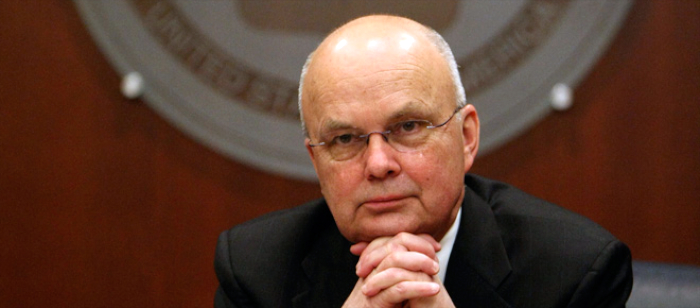
Cybersecurity Guest Lecture
An Evening With General Michael Hayden, USAF (Ret.)
6:00-8:00pm Thursday, 27 Oct. 2011
Room 102, Information Technology and Engineering
UMBC is proud to announce this opportunity for students and faculty to meet with General Hayden to hear his perspectives and discuss current issues regarding cybersecurity. The evening is sponsored by Next Century Corporation.
Former NSA and CIA director General Michael Hayden will discuss the evolution of technology from World War II to the present and outline the challenges this evolution presents to national security organizations. He will address the timely issues of cybersecurity and cyberwarfare, stress the role of education in preparing the intelligence community workforce to deal with cyber concerns, and share anecdotal stories of his time as Director of both the CIA and NSA in meeting these challenges facing the nation. General Hayden is happy to answer questions and make this an engaging, informative, and interactive evening.
Refreshments will be furnished by Next Century Corporation.
RSVP REQUIRED: Space is limited, with preference given to graduate CYBR, CSEE, and IS students and faculty. Please RSVP to Allison Jones (Sorry, you need javascript to view this email address. ) by October 25th if you plan to attend.
General Michael Hayden, USAF (Ret.), served as Director of the Central Intelligence Agency and the National Security Agency and was the nation’s first Principal Deputy Director of National Intelligence. He retired from the CIA in February 2009, and is now a Principal in the Chertoff Group, a security consultancy co-founded by former Secretary of Homeland Security, Michael Chertoff. General Hayden also serves as a Distinguished Visiting Professor at George Mason University School of Public Policy and in an advisory capacity to several organizations focused on national security.
General Hayden retired from a distinguished thirty-nine year career in the United States Air Force on July 1, 2008. In addition to his senior intelligence community assignments, he served as Commander of the Air Intelligence Agency, Director of the Joint Command and Control Warfare Center, and Chief of the Central Security Service.
General Hayden graduated from Duquesne University with a Bachelor’s degree in history in 1967 and a Master’s degree in modern American history in 1969.
]]>
Full Title: An Evening With General Michael Hayden, USAF (Ret.), 6pm 10/27, ITE 102 Cybersecurity Guest Lecture An Evening With General Michael Hayden, USAF (Ret.) 6:00-8:00pm Thursday, 27...
http://www.cs.umbc.edu/2011/10/an-evening-with-general-michael-hayden-usaf-ret-6pm-1027-ite-102/
https://dev.my.umbc.edu/api/v0/pixel/news/9291/guest@my.umbc.edu/ce99f39cbb712cc7c69091f1eb3eba97/api/pixel
cybersecurity
events
news
talks
Computer Science and Electrical Engineering
https://dev.my.umbc.edu/groups/csee
https://assets3-dev.my.umbc.edu/system/shared/avatars/groups/000/000/099/d117dca133c64bf78a4b7696dd007189/xsmall.png?1314043393
https://assets1-dev.my.umbc.edu/system/shared/avatars/groups/000/000/099/d117dca133c64bf78a4b7696dd007189/original.png?1314043393
https://assets1-dev.my.umbc.edu/system/shared/avatars/groups/000/000/099/d117dca133c64bf78a4b7696dd007189/xxlarge.png?1314043393
https://assets4-dev.my.umbc.edu/system/shared/avatars/groups/000/000/099/d117dca133c64bf78a4b7696dd007189/xlarge.png?1314043393
https://assets3-dev.my.umbc.edu/system/shared/avatars/groups/000/000/099/d117dca133c64bf78a4b7696dd007189/large.png?1314043393
https://assets1-dev.my.umbc.edu/system/shared/avatars/groups/000/000/099/d117dca133c64bf78a4b7696dd007189/medium.png?1314043393
https://assets2-dev.my.umbc.edu/system/shared/avatars/groups/000/000/099/d117dca133c64bf78a4b7696dd007189/small.png?1314043393
https://assets3-dev.my.umbc.edu/system/shared/avatars/groups/000/000/099/d117dca133c64bf78a4b7696dd007189/xsmall.png?1314043393
https://assets3-dev.my.umbc.edu/system/shared/avatars/groups/000/000/099/d117dca133c64bf78a4b7696dd007189/xxsmall.png?1314043393
Computer Science and Electrical Engineering
3
0
true
Thu, 06 Oct 2011 16:26:05 -0400
Thu, 06 Oct 2011 16:26:05 -0400
talk: Integrated Lifecycle of IT Services in Cloud...
Full Title: talk: Integrated Lifecycle of IT Services in Cloud Environments, 1pm Fri 10/7

CSEE Colloquium
Integrated Lifecycle of IT Services in Cloud Environments
Karuna Pande Joshi
University of Maryland, Baltimore County
1:00pm Friday 7 October 2011, ITE 227, UMBC
Virtualized service models are now emerging and redefining the way information technology (IT) is delivered. Managing these services efficiently over the cloud is an open challenge. For my PhD dissertation research, I have proposed a semantically rich, policy-based framework to automate the lifecycle of cloud services. In this talk, I will describe the proposed methodology for the lifecycle of IT services delivered on the cloud. I have divided the IT service lifecycle into five phases of requirements, discovery, negotiation, composition, and consumption and will detail each phase and list the high level ontologies that I have developed for them. This research complements previous work on ontologies for service descriptions in that it goes beyond simple matchmaking and is focused on supporting negotiation for the particulars of IT services. I will also describe the web-based prototype system that we are developing in collaboration with NIST. We are using Semantic Web technologies to represent and reason about services and service requirements.
Karuna P Joshi is a Ph.D. student in the computer Science and Electrical Engineering Department and an IT Project Manager with over 15 years of industrial experience. She worked at the International Monetary Fund for over nine years. She has also worked for MORENet, Missouri and Silverline Industries Ltd. in India. Her managerial experience includes Portfolio Management, Program/Project Management and Change Management. She has managed projects across various domains including Databases, Web Content Management, Document Management, Web/Database Integration, Helpdesk Applications, IT Knowledge/Information Management, Facilities Applications and Network/Telecom Applications. Karuna P Joshi is currently pursuing PhD in Computer Science in the field of Services Sciences Management and Engineering (SSME) and Distributed Web Systems from University of Maryland, Baltimore County (UMBC). She has been awarded the prestigious IBM PhD Fellowship for 2011-12. She completed her MS in Computer Science from UMBC in 1999 and her Bachelors in Computer Engineering from University of Mumbai, India in 1993. Apart from SSME, her research interests also include Databases, Web Technologies and Data mining.
]]>
Full Title: talk: Integrated Lifecycle of IT Services in Cloud Environments, 1pm Fri 10/7 CSEE Colloquium Integrated Lifecycle of IT Services in Cloud Environments Karuna Pande...
http://www.cs.umbc.edu/2011/10/talk-integrated-lifecycle-of-it-services-in-cloud-environments-1pm-fri-107/
https://dev.my.umbc.edu/api/v0/pixel/news/9251/guest@my.umbc.edu/0fbef576533726167c684b21da6ebd30/api/pixel
graduate
news
research
talks
Computer Science and Electrical Engineering
https://dev.my.umbc.edu/groups/csee
https://assets3-dev.my.umbc.edu/system/shared/avatars/groups/000/000/099/d117dca133c64bf78a4b7696dd007189/xsmall.png?1314043393
https://assets1-dev.my.umbc.edu/system/shared/avatars/groups/000/000/099/d117dca133c64bf78a4b7696dd007189/original.png?1314043393
https://assets1-dev.my.umbc.edu/system/shared/avatars/groups/000/000/099/d117dca133c64bf78a4b7696dd007189/xxlarge.png?1314043393
https://assets4-dev.my.umbc.edu/system/shared/avatars/groups/000/000/099/d117dca133c64bf78a4b7696dd007189/xlarge.png?1314043393
https://assets3-dev.my.umbc.edu/system/shared/avatars/groups/000/000/099/d117dca133c64bf78a4b7696dd007189/large.png?1314043393
https://assets1-dev.my.umbc.edu/system/shared/avatars/groups/000/000/099/d117dca133c64bf78a4b7696dd007189/medium.png?1314043393
https://assets2-dev.my.umbc.edu/system/shared/avatars/groups/000/000/099/d117dca133c64bf78a4b7696dd007189/small.png?1314043393
https://assets3-dev.my.umbc.edu/system/shared/avatars/groups/000/000/099/d117dca133c64bf78a4b7696dd007189/xsmall.png?1314043393
https://assets3-dev.my.umbc.edu/system/shared/avatars/groups/000/000/099/d117dca133c64bf78a4b7696dd007189/xxsmall.png?1314043393
Computer Science and Electrical Engineering
3
0
false
Wed, 05 Oct 2011 15:13:50 -0400
talk: Beyond Reactive Management of Network...
Full Title: talk: Beyond Reactive Management of Network Intrusions, Noon 10/12 ITE456Department of Information Systems Colloquium
Beyond Reactive Management of Network Intrusions
Professor Sushil Jajodia
Center for Secure Information Systems
George Mason University
12:00pm Wednesday, 12 October 2011, ITE456, UMBC
This talk will discuss issues and methods for survivability of systems under malicious attacks. To protect from such attacks, it is necessary to take steps to prevent attacks from succeeding. At the same time, it is important to recognize that not all attacks can be averted at the outset; attacks that are successful to some degree must be recognized as unavoidable and comprehensive support for identifying and responding to attacks is required.
In my talk, I will describe the recent research on attack graphs that represent known attack sequences attackers can use to penetrate computer networks. I will show how attack graphs can be used to compute actual sets of hardening measures that guarantee the safety of given critical resources. Attack graphs can also be used to correlate received alerts, hypothesize missing alerts, and predict future alerts, all at the same time. Thus, they offer a promising solution for administrators to monitor and predict the progress of an intrusion, and take appropriate countermeasures in a timely manner.
I will conclude my talk with a demo of the working system.
Sushil Jajodia is University Professor, BDM International Professor, and the director of Center for Secure Information Systems in the Volgenau School of Engineering at the George Mason University, Fairfax, Virginia. He served as the chair of the Department of Information and Software Engineering during 1998-2002. He joined Mason after serving as the director of the Database and Expert Systems Program within the Division of Information, Robotics, and Intelligent Systems at the National Science Foundation. Before that he was the head of the Database and Distributed Systems Section in the Computer Science and Systems Branch at the Naval Research Laboratory, Washington and Associate Professor of Computer Science and Director of Graduate Studies at the University of Missouri, Columbia. He has also been a visiting professor at the University of Milan, Italy; Sapienza University of Rome, Italy; Isaac Newton Institute for Mathematical Sciences, Cambridge University, England; and King's College, London, England.
]]>
Full Title: talk: Beyond Reactive Management of Network Intrusions, Noon 10/12 ITE456 Department of Information Systems Colloquium Beyond Reactive Management of Network Intrusions Professor...
http://www.cs.umbc.edu/2011/10/talk-beyond-reactive-management-of-network-intrusions-noon-1012-ite456/
https://dev.my.umbc.edu/api/v0/pixel/news/9240/guest@my.umbc.edu/7ab4cd607f26f77c0817f03d6609d175/api/pixel
news
talks
Computer Science and Electrical Engineering
https://dev.my.umbc.edu/groups/csee
https://assets3-dev.my.umbc.edu/system/shared/avatars/groups/000/000/099/d117dca133c64bf78a4b7696dd007189/xsmall.png?1314043393
https://assets1-dev.my.umbc.edu/system/shared/avatars/groups/000/000/099/d117dca133c64bf78a4b7696dd007189/original.png?1314043393
https://assets1-dev.my.umbc.edu/system/shared/avatars/groups/000/000/099/d117dca133c64bf78a4b7696dd007189/xxlarge.png?1314043393
https://assets4-dev.my.umbc.edu/system/shared/avatars/groups/000/000/099/d117dca133c64bf78a4b7696dd007189/xlarge.png?1314043393
https://assets3-dev.my.umbc.edu/system/shared/avatars/groups/000/000/099/d117dca133c64bf78a4b7696dd007189/large.png?1314043393
https://assets1-dev.my.umbc.edu/system/shared/avatars/groups/000/000/099/d117dca133c64bf78a4b7696dd007189/medium.png?1314043393
https://assets2-dev.my.umbc.edu/system/shared/avatars/groups/000/000/099/d117dca133c64bf78a4b7696dd007189/small.png?1314043393
https://assets3-dev.my.umbc.edu/system/shared/avatars/groups/000/000/099/d117dca133c64bf78a4b7696dd007189/xsmall.png?1314043393
https://assets3-dev.my.umbc.edu/system/shared/avatars/groups/000/000/099/d117dca133c64bf78a4b7696dd007189/xxsmall.png?1314043393
Computer Science and Electrical Engineering
2
0
false
Wed, 05 Oct 2011 09:41:14 -0400
talk: How to raise capital in MD, 4pm Tue 9/27

How to Raise Capital in Maryland
Art Jacoby
Managing Partner, Maryland Cyber Investment Partners
4:00pm Tuesday 27 September 2011
Courtyard Meeting Room
Maryland Clean Energy TechnologyIncubator (CETI)
UMBC Sounth Campus
Capital is the fuel your business needs to drive growth but raising it will be one of the most daunting challenges you will face as a CEO with a promising venture. Since not all capital is created equal so it’s essential to learn what types of capital you need, the right sources to get it from and how to work out a reasonable agreement so that you can succeed. Learn the best practices and whatnot to say so that the check will be “on the table".
- The right type of Capital
- The right source of Capital
- Creating the Capital Raise Plan
- Reasonable Expectations
- Selling it!
- Deal Killers
- … and much more!
Art Jacoby is a Managing Partner of Maryland Cyber Investment Partners which provides business guidance, business connections and growth capital to Cyber Security companies. Art is a well-known Maryland business advisor and investor who has mentored and motivated many small IT business entrepreneurs across the region. He serves on the Board of the Technology Council of Maryland and is active in the Chesapeake Regional Technology Council. Art has advised Maryland DBED on cyber security investment and strategic issues and also is on the Board of Maryland’s IT Political Action Committee. His early career at Dayton Hudson, Carlson Companies and Tonka Toys engaged in Corporate M&A, financial and strategic planning gave him a deep understanding of how great businesses operate. He has spent most of his career helping small IT entrepreneurs develop and execute practical, affordable strategies and tactics to achieve sustainable competitive advantage and earnings growth. Art and MCIP are here to serve Maryland’s IT entrepreneurs.
Sponsors: Whiteford Taylor Preston and Baltimore County
Please RSVP to Dr. Bjorn Frogner, Sorry, you need javascript to view this email address.
]]>
How to Raise Capital in Maryland Art Jacoby Managing Partner, Maryland Cyber Investment Partners 4:00pm Tuesday 27 September 2011 Courtyard Meeting Room Maryland Clean Energy...
http://www.cs.umbc.edu/2011/09/talk-how-to-raise-capital-in-md-4pm-tue-927/
https://dev.my.umbc.edu/api/v0/pixel/news/9003/guest@my.umbc.edu/19d14d76706846be9f41d41c930473ae/api/pixel
news
talks
Computer Science and Electrical Engineering
https://dev.my.umbc.edu/groups/csee
https://assets3-dev.my.umbc.edu/system/shared/avatars/groups/000/000/099/d117dca133c64bf78a4b7696dd007189/xsmall.png?1314043393
https://assets1-dev.my.umbc.edu/system/shared/avatars/groups/000/000/099/d117dca133c64bf78a4b7696dd007189/original.png?1314043393
https://assets1-dev.my.umbc.edu/system/shared/avatars/groups/000/000/099/d117dca133c64bf78a4b7696dd007189/xxlarge.png?1314043393
https://assets4-dev.my.umbc.edu/system/shared/avatars/groups/000/000/099/d117dca133c64bf78a4b7696dd007189/xlarge.png?1314043393
https://assets3-dev.my.umbc.edu/system/shared/avatars/groups/000/000/099/d117dca133c64bf78a4b7696dd007189/large.png?1314043393
https://assets1-dev.my.umbc.edu/system/shared/avatars/groups/000/000/099/d117dca133c64bf78a4b7696dd007189/medium.png?1314043393
https://assets2-dev.my.umbc.edu/system/shared/avatars/groups/000/000/099/d117dca133c64bf78a4b7696dd007189/small.png?1314043393
https://assets3-dev.my.umbc.edu/system/shared/avatars/groups/000/000/099/d117dca133c64bf78a4b7696dd007189/xsmall.png?1314043393
https://assets3-dev.my.umbc.edu/system/shared/avatars/groups/000/000/099/d117dca133c64bf78a4b7696dd007189/xxsmall.png?1314043393
Computer Science and Electrical Engineering
1
0
false
Mon, 26 Sep 2011 22:28:36 -0400
Mon, 26 Sep 2011 22:28:36 -0400
talk: Intelligent Agents in the OntoAgent Cognitive...
Full Title: talk: Intelligent Agents in the OntoAgent Cognitive Architecture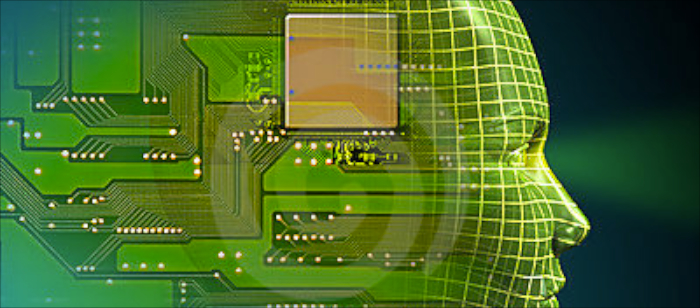
EE Graduate Seminar
Intelligent Agents in the OntoAgent Cognitive Architecture
Professor Sergei Nirenburg
Director, Institute for Language and Information Technologies
Computer Science and Electrical Engineering
University of Maryland, Baltimore County
11:30am-12:45pm Friday 30 September 2011, ITE 231
OntoAgent is a constantly evolving cognitive architecture that facilitates development of and experimentation with artificial intelligent agents (ontoagents). Distinguishing characteristics of Ontoagents include the following.
- They model human information processing capabilities by simulating conscious perception and action, which involves reasoning and decision-making;
- They are intended to operate in a hybrid network of human and artificial agents; and
- They incorporate: (a) an ontological world model and a memory (fact repository) of instances of ontological objects, events and properties; (b) OntoSem, a natural language processing module that supports two-way translation between texts (including dialog turns) and their semantic and discourse/pragmatic meanings; (c) a goal- and plan-oriented reasoning module; (d) a decision theory for choosing goals, plans and individual actions that relies on knowledge (beliefs) about self, other agents, the ontological world model, the current world state and memory of past world states and past actions; (e) a capability for verbal, mental and simulated physical action; (f) (optionally) a physiological model, making them what we call double agents with simulated bodies as well as simulated minds and providing an additional channel of perception; and (g) (optionally) personality traits, preferences and psychological states that influence their overtly perceived or subconscious preferences in decision-making.
OntoAgent has so far provided the basis for two proof-of-concept systems:
- Maryland Virtual Patient (MVP) modeling a patient and a tutor to help training in medical diagnostics and treatment; and
- CLinicians ADdvisor (CLAD) assisting clinicians by reducing their cognitive load.
This talk will give a brief introduction to OntoAgent functionalities implemented in MVP and CLAD.
Professor Nirenburg has worked in the areas of cognitive systems, artificial intelligence, and natural language processing (NLP) for over 30 years. His professional interests include developing computational models of human cognitive capabilities and implementing them in hybrid-engine models of societies of human and computer agents; computational studies of meaning in natural languages; and representation and management of knowledge about the world and about language. He is Member of the Intl Committee on Computational Linguistics (ICCL) and Honorary Editor of Machine Translation (served as Editor-in-Chief in 1987-96). He has been Program Committee Chair for: Machine Translation Summit III (Washington, DC, 1991), the Conference on Applied NLP sponsored by the Association for Computational Linguistics (Seattle, WA, 2000), and COLING 2004 in Geneva, Switzerland. He served as a director of two NATO-sponsored Advanced Studies Institutes on Language Engineering for Lesser-Studied Languages (Ankara, Turkey, 2000 and Batumi, Georgia, 2007).
Host: Professor Joel Morris
]]>
Full Title: talk: Intelligent Agents in the OntoAgent Cognitive Architecture EE Graduate Seminar Intelligent Agents in the OntoAgent Cognitive Architecture Professor Sergei Nirenburg...
http://www.cs.umbc.edu/2011/09/talk-intelligent-agents-in-the-ontoagent-cognitive-architecture/
https://dev.my.umbc.edu/api/v0/pixel/news/8960/guest@my.umbc.edu/b4053be4f01cb75dcedd7c4a94aa1679/api/pixel
computer-science
electrical-engineering
graduate
news
talks
Computer Science and Electrical Engineering
https://dev.my.umbc.edu/groups/csee
https://assets3-dev.my.umbc.edu/system/shared/avatars/groups/000/000/099/d117dca133c64bf78a4b7696dd007189/xsmall.png?1314043393
https://assets1-dev.my.umbc.edu/system/shared/avatars/groups/000/000/099/d117dca133c64bf78a4b7696dd007189/original.png?1314043393
https://assets1-dev.my.umbc.edu/system/shared/avatars/groups/000/000/099/d117dca133c64bf78a4b7696dd007189/xxlarge.png?1314043393
https://assets4-dev.my.umbc.edu/system/shared/avatars/groups/000/000/099/d117dca133c64bf78a4b7696dd007189/xlarge.png?1314043393
https://assets3-dev.my.umbc.edu/system/shared/avatars/groups/000/000/099/d117dca133c64bf78a4b7696dd007189/large.png?1314043393
https://assets1-dev.my.umbc.edu/system/shared/avatars/groups/000/000/099/d117dca133c64bf78a4b7696dd007189/medium.png?1314043393
https://assets2-dev.my.umbc.edu/system/shared/avatars/groups/000/000/099/d117dca133c64bf78a4b7696dd007189/small.png?1314043393
https://assets3-dev.my.umbc.edu/system/shared/avatars/groups/000/000/099/d117dca133c64bf78a4b7696dd007189/xsmall.png?1314043393
https://assets3-dev.my.umbc.edu/system/shared/avatars/groups/000/000/099/d117dca133c64bf78a4b7696dd007189/xxsmall.png?1314043393
Computer Science and Electrical Engineering
1
0
false
Sat, 24 Sep 2011 16:27:48 -0400
Modern Threat Environment and the Impact of...
Full Title: Modern Threat Environment and the Impact of Technology Shifts
Cybersecurity Lecture
Modern Threat Environment and the Impact of Technology Shifts
Neal Ziring
Information Assurance Technical Director
National Security Agency
6-7pm Tuesday 20 September 2011 in ITE 102 (LH 8)
Neal Ziring will give a special guest lecture in CYBR620 (Introduction to Cybersecurity) on the modern threat environment and the impact of shifts in technology, such as the move from IPv4 to IPv6 and the security of systems and networks topics.
Mr. Neal Ziring is currently a technical director in the Information Assurance Directorate (IAD), at NSA. The IAD provides cryptographic, network, and operational security products and services to protect and defend national security systems. Prior to his role at the IAD level, Neal with a technical director for the Vulnerability Analysis and Operations Group, which provides technology evaluations, defensive operations, and secure configuration guidance for the DoD and the IC. During that time, Neal also served as security architect for two major NSA mission systems programs, collaborated with NIST on the Security Content Automation Protocol (S-CAP) specifications, and lead analysis efforts for Cloud Computing technology and IPv6. Neal has degrees in Computer Science and Electrical Engineering from Washington University. Before coming to NSA in 1989, he worked at AT&T Bell Labs.
]]>
Full Title: Modern Threat Environment and the Impact of Technology Shifts Cybersecurity Lecture Modern Threat Environment and the Impact of Technology Shifts Neal Ziring Information...
http://www.cs.umbc.edu/2011/09/modern-threat-environment-and-the-impact-of-technology-shifts/
https://dev.my.umbc.edu/api/v0/pixel/news/8834/guest@my.umbc.edu/98b24307cdbff1ffcda7953dd0b9a496/api/pixel
cybersecurity
graduate
news
talks
Computer Science and Electrical Engineering
https://dev.my.umbc.edu/groups/csee
https://assets3-dev.my.umbc.edu/system/shared/avatars/groups/000/000/099/d117dca133c64bf78a4b7696dd007189/xsmall.png?1314043393
https://assets1-dev.my.umbc.edu/system/shared/avatars/groups/000/000/099/d117dca133c64bf78a4b7696dd007189/original.png?1314043393
https://assets1-dev.my.umbc.edu/system/shared/avatars/groups/000/000/099/d117dca133c64bf78a4b7696dd007189/xxlarge.png?1314043393
https://assets4-dev.my.umbc.edu/system/shared/avatars/groups/000/000/099/d117dca133c64bf78a4b7696dd007189/xlarge.png?1314043393
https://assets3-dev.my.umbc.edu/system/shared/avatars/groups/000/000/099/d117dca133c64bf78a4b7696dd007189/large.png?1314043393
https://assets1-dev.my.umbc.edu/system/shared/avatars/groups/000/000/099/d117dca133c64bf78a4b7696dd007189/medium.png?1314043393
https://assets2-dev.my.umbc.edu/system/shared/avatars/groups/000/000/099/d117dca133c64bf78a4b7696dd007189/small.png?1314043393
https://assets3-dev.my.umbc.edu/system/shared/avatars/groups/000/000/099/d117dca133c64bf78a4b7696dd007189/xsmall.png?1314043393
https://assets3-dev.my.umbc.edu/system/shared/avatars/groups/000/000/099/d117dca133c64bf78a4b7696dd007189/xxsmall.png?1314043393
Computer Science and Electrical Engineering
2
0
false
Mon, 19 Sep 2011 23:27:57 -0400
EE seminar: Thesis/Dissertation Accomplished: How To...
Full Title: EE seminar: Thesis/Dissertation Accomplished: How To Do It! 11:30am 9/23, ITE 231
EE Graduate Seminar
Thesis/Dissertation Accomplished: How To Do It!
Wendy Y. Carter-Veale, Ph.D.
Program Coordinator, PhD Completion Project/PROMISE
Director, Educational Research Institute
Sorry, you need javascript to view this email address.
11:30am-12:45pm, Friday 23 September 11, ITE 231
It is very important for graduate students, MS/PhD, to understand and be prepared for the thesis/dissertation process. The structure of and writing the thesis/dissertation is a major component of this process, and usually not given adequate attention until much later in the educational program.
Dr. Wendy Carter, as Program Coordinator for the PhD Completion Project/PROMISE here at UMBC, leads workshops on the thesis/dissertation process, both at UMBC and UMCP, and at various professional meetings. She will provide an overview of the tools, strategies, and resources that she has designed (www.tadafinallyfinished.com) to empower students to complete their thesis/dissertation based on the individual's schedule and temperament.
Dr. Carter has a BA and MA from Stanford University, a MS in Management and Public Policy from Carnegie Mellon University, and a MS and the PhD in Sociology from the University of Wisconsin-Madison.
Host: Prof. Joel M. Morris
]]>
Full Title: EE seminar: Thesis/Dissertation Accomplished: How To Do It! 11:30am 9/23, ITE 231 EE Graduate Seminar Thesis/Dissertation Accomplished: How To Do It! Wendy Y. Carter-Veale,...
http://www.cs.umbc.edu/2011/09/ee-seminar-thesisdissertation-accomplished-how-to-do-it-1130am-923-ite-231/
https://dev.my.umbc.edu/api/v0/pixel/news/8786/guest@my.umbc.edu/00de3b7f847625339207d39a951ec72e/api/pixel
graduate
news
research
talks
Computer Science and Electrical Engineering
https://dev.my.umbc.edu/groups/csee
https://assets3-dev.my.umbc.edu/system/shared/avatars/groups/000/000/099/d117dca133c64bf78a4b7696dd007189/xsmall.png?1314043393
https://assets1-dev.my.umbc.edu/system/shared/avatars/groups/000/000/099/d117dca133c64bf78a4b7696dd007189/original.png?1314043393
https://assets1-dev.my.umbc.edu/system/shared/avatars/groups/000/000/099/d117dca133c64bf78a4b7696dd007189/xxlarge.png?1314043393
https://assets4-dev.my.umbc.edu/system/shared/avatars/groups/000/000/099/d117dca133c64bf78a4b7696dd007189/xlarge.png?1314043393
https://assets3-dev.my.umbc.edu/system/shared/avatars/groups/000/000/099/d117dca133c64bf78a4b7696dd007189/large.png?1314043393
https://assets1-dev.my.umbc.edu/system/shared/avatars/groups/000/000/099/d117dca133c64bf78a4b7696dd007189/medium.png?1314043393
https://assets2-dev.my.umbc.edu/system/shared/avatars/groups/000/000/099/d117dca133c64bf78a4b7696dd007189/small.png?1314043393
https://assets3-dev.my.umbc.edu/system/shared/avatars/groups/000/000/099/d117dca133c64bf78a4b7696dd007189/xsmall.png?1314043393
https://assets3-dev.my.umbc.edu/system/shared/avatars/groups/000/000/099/d117dca133c64bf78a4b7696dd007189/xxsmall.png?1314043393
Computer Science and Electrical Engineering
3
0
false
Sat, 17 Sep 2011 15:57:24 -0400
Sat, 17 Sep 2011 15:57:24 -0400