Henry Sienkiewicz on Cloud Computing in the Government

UMBC CSEE Colloquium
Cloud Computing
Henry J. Sienkiewicz
Chief Information Officer
Defense Information Systems Agency
11:30-12:30 Friday, 16 September 2011
Room 231, ITE Building
Mr. Henry Sienkiewicz will discuss the opportunities and challenges for using cloud computing in government agencies.
Henry J. Sienkiewicz is the Chief Information Officer for the Defense Information Systems Agency. As the DISA CIO he is responsible for developing, maintaining, and facilitating the implementation of the Agency's information technology (IT) architecture, enabling DISA to accomplish its critical combat support missions. As CIO, he ensures that agency IT and information assurance programs and policies are fully coordinated, integrated, and effectively implemented and are aligned with the Agency's strategy. Mr. Sienkiewicz joined DISA in 2008 as the Technical Program Director for DISA Computing Services before moving to the CIO position. He is a founding member of George Washington University's technology transfer council, retired from the US Army Reserves, and has been involved in many academic and entrepreneurial pursuits throughout his extensive IT career.
Hosts: Professor Yelena Yesha and Joel Morris
– directions — upcoming talks –
]]>
UMBC CSEE Colloquium Cloud Computing Henry J. Sienkiewicz Chief Information Officer Defense Information Systems Agency 11:30-12:30 Friday, 16 September 2011 Room 231, ITE Building...
http://www.cs.umbc.edu/2011/09/henry-sienkiewicz-on-cloud-computing-in-the-government/
https://dev.my.umbc.edu/api/v0/pixel/news/8619/guest@my.umbc.edu/93dd5745a3c34fe88ec858eedce7105e/api/pixel
cloud-computing
computer-engineering
computer-science
cybersecurity
electrical-engineering
engineering-management
news
research
systems-engineering
talks
Computer Science and Electrical Engineering
https://dev.my.umbc.edu/groups/csee
https://assets3-dev.my.umbc.edu/system/shared/avatars/groups/000/000/099/d117dca133c64bf78a4b7696dd007189/xsmall.png?1314043393
https://assets1-dev.my.umbc.edu/system/shared/avatars/groups/000/000/099/d117dca133c64bf78a4b7696dd007189/original.png?1314043393
https://assets1-dev.my.umbc.edu/system/shared/avatars/groups/000/000/099/d117dca133c64bf78a4b7696dd007189/xxlarge.png?1314043393
https://assets4-dev.my.umbc.edu/system/shared/avatars/groups/000/000/099/d117dca133c64bf78a4b7696dd007189/xlarge.png?1314043393
https://assets3-dev.my.umbc.edu/system/shared/avatars/groups/000/000/099/d117dca133c64bf78a4b7696dd007189/large.png?1314043393
https://assets1-dev.my.umbc.edu/system/shared/avatars/groups/000/000/099/d117dca133c64bf78a4b7696dd007189/medium.png?1314043393
https://assets2-dev.my.umbc.edu/system/shared/avatars/groups/000/000/099/d117dca133c64bf78a4b7696dd007189/small.png?1314043393
https://assets3-dev.my.umbc.edu/system/shared/avatars/groups/000/000/099/d117dca133c64bf78a4b7696dd007189/xsmall.png?1314043393
https://assets3-dev.my.umbc.edu/system/shared/avatars/groups/000/000/099/d117dca133c64bf78a4b7696dd007189/xxsmall.png?1314043393
Computer Science and Electrical Engineering
4
0
false
Tue, 13 Sep 2011 15:37:37 -0400
POSTPONED: talk: Nonlinear Optical Signal Processing...
Full Title: POSTPONED: talk: Nonlinear Optical Signal Processing in Optical Fibers and Waveguides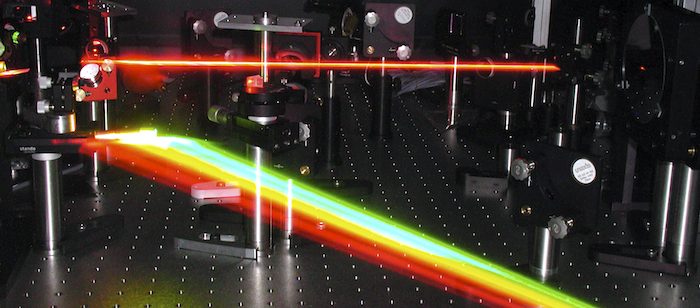
CSEE Graduate Seminar
Nonlinear Optical Signal Processing in
Optical Fibers and Waveguides
Dr. Gary M. Carter
Professor of Electrical Engineering
Computer Science and Electrical Engineering
University of Maryland, Baltimore County
1-2pm Friday, 16 September, 2011, ITE 227
postponed until later in the Fall
Advances in optical fiber and semiconductor technology have progressed to the degree that nonlinear optical signal processing can be demonstrated at extraordinarily high data rates. This talk will review some of the work of Dr. Carter's research group in photonic crystal fibers, silicon nano wires, and AlGaAs optical waveguides.
Hosts: Profs. Joel M. Morris and Yelena Yesha
Upcoming CSEE talks
]]>
Full Title: POSTPONED: talk: Nonlinear Optical Signal Processing in Optical Fibers and Waveguides CSEE Graduate Seminar Nonlinear Optical Signal Processing in Optical Fibers and Waveguides...
http://www.cs.umbc.edu/2011/09/talk-nonlinear-optical-signal-processing-in-optical-fibers-and-waveguides/
https://dev.my.umbc.edu/api/v0/pixel/news/8557/guest@my.umbc.edu/2c04f6ea1c155bc9c14e1517c5f4d4f5/api/pixel
computer-engineering
computer-science
electrical-engineering
graduate
news
research
talks
Computer Science and Electrical Engineering
https://dev.my.umbc.edu/groups/csee
https://assets3-dev.my.umbc.edu/system/shared/avatars/groups/000/000/099/d117dca133c64bf78a4b7696dd007189/xsmall.png?1314043393
https://assets1-dev.my.umbc.edu/system/shared/avatars/groups/000/000/099/d117dca133c64bf78a4b7696dd007189/original.png?1314043393
https://assets1-dev.my.umbc.edu/system/shared/avatars/groups/000/000/099/d117dca133c64bf78a4b7696dd007189/xxlarge.png?1314043393
https://assets4-dev.my.umbc.edu/system/shared/avatars/groups/000/000/099/d117dca133c64bf78a4b7696dd007189/xlarge.png?1314043393
https://assets3-dev.my.umbc.edu/system/shared/avatars/groups/000/000/099/d117dca133c64bf78a4b7696dd007189/large.png?1314043393
https://assets1-dev.my.umbc.edu/system/shared/avatars/groups/000/000/099/d117dca133c64bf78a4b7696dd007189/medium.png?1314043393
https://assets2-dev.my.umbc.edu/system/shared/avatars/groups/000/000/099/d117dca133c64bf78a4b7696dd007189/small.png?1314043393
https://assets3-dev.my.umbc.edu/system/shared/avatars/groups/000/000/099/d117dca133c64bf78a4b7696dd007189/xsmall.png?1314043393
https://assets3-dev.my.umbc.edu/system/shared/avatars/groups/000/000/099/d117dca133c64bf78a4b7696dd007189/xxsmall.png?1314043393
Computer Science and Electrical Engineering
4
0
false
Sat, 10 Sep 2011 16:58:49 -0400
Sat, 10 Sep 2011 16:58:49 -0400
Talk: Genetic information for chronic disease prediction
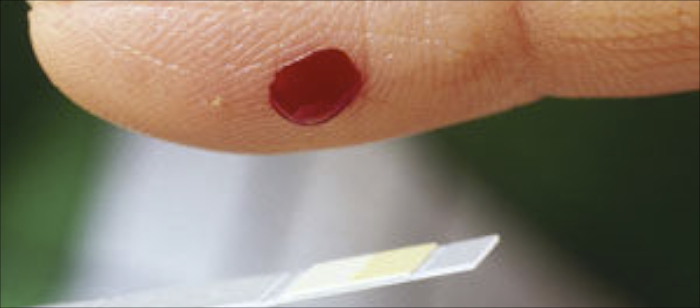
Genetic information for chronic disease prediction
Michael A. Grasso, MD, PhD
University of Maryland School of Medicine
1:00pm Friday 23 September 2011, 227 ITE
Type 2 diabetes and coronary artery disease are commonly occurring polygenic-multifactorial diseases, which are responsible for significant morbidity and mortality. The identification of people at risk for these conditions has historically been based on clinical factors alone. However, this resulted in prediction algorithms that are linked to symptomatic states, which have limited accuracy in asymptomatic individuals. Advances in genetics have raised the hope that genetic testing may aid in disease prediction, treatment, and prevention. Although intuitive, the addition of genetic information to increase the accuracy of disease prediction remains an unproven hypothesis. We present an overview of genetic issues involved in polygenic-multifactorial diseases, and summarize ongoing efforts use this information for disease prediction.
Michael Grasso is an Assistant Professor of Internal Medicine and Emergency Medicine at the University of Maryland School of Medicine, and an Assistant Research Professor of Computer Science at the University of Maryland Baltimore County. He earned a medical degree from the George Washington University and a PhD in Computer Science from the University of Maryland. He is a member of the Upsilon Pi Epsilon Honor Society in the Computing Sciences, the Kane-King-Dodec Medical Honor Society, and the William Beaumont Medical Research Honor Society. He completed a residency at the University of Maryland School of Medicine, and currently works in the Department of Emergency Medicine at the University of Maryland Medical Center. He has been awarded more than $1,200,000 in grant funding from the National Institutes of Health, the National Bureau of Standards and Technology, and the Department of Defense, and has authored more than 35 scholarly papers and abstracts. His research interests include clinical decision support systems, clinical data mining, clinical image processing, personalized medicine, software engineering, database engineering, and human factors. He is also a semi-professional trumpet player and is interested in the specific medical needs of performing artists, especially instrumental musicians.
Host: Yelena Yesha
]]>
Genetic information for chronic disease prediction Michael A. Grasso, MD, PhD University of Maryland School of Medicine 1:00pm Friday 23 September 2011, 227 ITE Type 2 diabetes and...
http://www.cs.umbc.edu/2011/09/talk-genetic-information-for-chronic-disease-prediction/
https://dev.my.umbc.edu/api/v0/pixel/news/8503/guest@my.umbc.edu/10a97ae509ad2be4cd5c2da3a6b960b6/api/pixel
computer-science
graduate
news
research
talks
undergraduate
Computer Science and Electrical Engineering
https://dev.my.umbc.edu/groups/csee
https://assets3-dev.my.umbc.edu/system/shared/avatars/groups/000/000/099/d117dca133c64bf78a4b7696dd007189/xsmall.png?1314043393
https://assets1-dev.my.umbc.edu/system/shared/avatars/groups/000/000/099/d117dca133c64bf78a4b7696dd007189/original.png?1314043393
https://assets1-dev.my.umbc.edu/system/shared/avatars/groups/000/000/099/d117dca133c64bf78a4b7696dd007189/xxlarge.png?1314043393
https://assets4-dev.my.umbc.edu/system/shared/avatars/groups/000/000/099/d117dca133c64bf78a4b7696dd007189/xlarge.png?1314043393
https://assets3-dev.my.umbc.edu/system/shared/avatars/groups/000/000/099/d117dca133c64bf78a4b7696dd007189/large.png?1314043393
https://assets1-dev.my.umbc.edu/system/shared/avatars/groups/000/000/099/d117dca133c64bf78a4b7696dd007189/medium.png?1314043393
https://assets2-dev.my.umbc.edu/system/shared/avatars/groups/000/000/099/d117dca133c64bf78a4b7696dd007189/small.png?1314043393
https://assets3-dev.my.umbc.edu/system/shared/avatars/groups/000/000/099/d117dca133c64bf78a4b7696dd007189/xsmall.png?1314043393
https://assets3-dev.my.umbc.edu/system/shared/avatars/groups/000/000/099/d117dca133c64bf78a4b7696dd007189/xxsmall.png?1314043393
Computer Science and Electrical Engineering
3
0
false
Wed, 07 Sep 2011 00:26:48 -0400
Wed, 07 Sep 2011 00:26:48 -0400
talk: Analysis of Brain Network Connectivity in fMRI...
Full Title: talk: Analysis of Brain Network Connectivity in fMRI Data using Spatial Dependence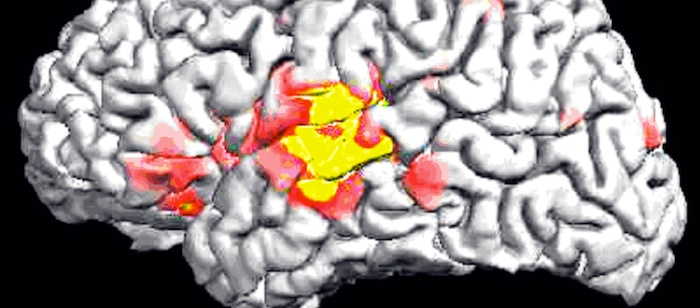
EE Graduate Seminar
Analysis of Brain Network Connectivity
in fMRI Data using Spatial Dependence
Sai Ma
EE PhD Candidate, CSEE Dept, UMBC
11:30-12:45 Friday 9 September 2011, ITE 231
Due to low invasiveness and high spatial resolution, functional magnetic resonance imaging (fMRI) has become popular in neuroimaging field to determine where activity occurs in brain as a result of performing cognitive tasks or merely being at rest. One of the most active areas in current fMRI research involves exploring functional connectivity, i.e., statistical interactions, among distributed neural units. Understanding connectivity elucidates how functional systems process information in brain. More interestingly, disorganized connectivity has shown to be related to various kinds of mental disorder.
Data-driven methods, especially independent component analysis (ICA), have been successfully applied to fMRI data analysis and provided an opportunity to study brain functional connectivity on a network, hence multivariate scale. However, independence is a strong assumption which is not necessarily nor typically satisfied in real applications. For this reason, dependent component analysis (DCA) has emerged to generalize ICA by grouping components into independent subsets while within subset dependence is allowed.
Based on ICA and motivated by DCA, we aim to develop effective and efficient analysis schemes to extract, characterize, and quantify network connectivity pattern in fMRI data. We define functional network connectivity as spatial dependence among ICA-derived components, instead of second-order temporal correlation between time courses, to capture high-order statistics. According to this definition, we present our work on the study of network connectivity by several data-driven methods, including ICA, DCA, hierarchical clustering, hypothesis testing, and graph theoretical analysis.
seminar Host: Prof. Joel M. Morris
]]>
Full Title: talk: Analysis of Brain Network Connectivity in fMRI Data using Spatial Dependence EE Graduate Seminar Analysis of Brain Network Connectivity in fMRI Data using Spatial...
http://www.cs.umbc.edu/2011/09/talk-analysis-of-brain-network-connectivity-in-fmri-data-using-spatial-dependence/
https://dev.my.umbc.edu/api/v0/pixel/news/8442/guest@my.umbc.edu/91e661ba9d74f8b38e245a12ac1bdd11/api/pixel
electrical-engineering
fmri
graduate
image-processing
medical-informatics
news
research
talks
undergraduate
Computer Science and Electrical Engineering
https://dev.my.umbc.edu/groups/csee
https://assets3-dev.my.umbc.edu/system/shared/avatars/groups/000/000/099/d117dca133c64bf78a4b7696dd007189/xsmall.png?1314043393
https://assets1-dev.my.umbc.edu/system/shared/avatars/groups/000/000/099/d117dca133c64bf78a4b7696dd007189/original.png?1314043393
https://assets1-dev.my.umbc.edu/system/shared/avatars/groups/000/000/099/d117dca133c64bf78a4b7696dd007189/xxlarge.png?1314043393
https://assets4-dev.my.umbc.edu/system/shared/avatars/groups/000/000/099/d117dca133c64bf78a4b7696dd007189/xlarge.png?1314043393
https://assets3-dev.my.umbc.edu/system/shared/avatars/groups/000/000/099/d117dca133c64bf78a4b7696dd007189/large.png?1314043393
https://assets1-dev.my.umbc.edu/system/shared/avatars/groups/000/000/099/d117dca133c64bf78a4b7696dd007189/medium.png?1314043393
https://assets2-dev.my.umbc.edu/system/shared/avatars/groups/000/000/099/d117dca133c64bf78a4b7696dd007189/small.png?1314043393
https://assets3-dev.my.umbc.edu/system/shared/avatars/groups/000/000/099/d117dca133c64bf78a4b7696dd007189/xsmall.png?1314043393
https://assets3-dev.my.umbc.edu/system/shared/avatars/groups/000/000/099/d117dca133c64bf78a4b7696dd007189/xxsmall.png?1314043393
Computer Science and Electrical Engineering
1
0
false
Mon, 05 Sep 2011 21:36:18 -0400
Talk: Opportunities in Computational Materials Science

Opportunities in Computational Materials Science
Juana Moreno and Randall Hall
Center for Computation and Technology
Louisiana State University
1:00pm Friday 9 September 2011, ITE 227
The White House Materials Genome Initiative intends to double the speed with which we discover, develop, and manufacture new materials. In order for this initiative to be successful an unprecedented collaboration between computer scientists, applied mathematicians, computational scientists, and engineers with expertise in each of the aspects of the simulation-guided design of modern materials must be established. We must also take advantage of the enormous national investments in the next generation of hyperparallel, heterogeneous, multicore supercomputers to develop experimentally verified algorithms. In this talk I will describe new collaborative efforts in Louisiana towards developing a State-wise team of scientist to attack the challenges in the design of new materials, and the current opportunities at the undergraduate and graduate level.
Dr. Juana Moreno is an Assistant Professor in the Department of Physics and Astronomy at LSU. She received her Ph.D. in condensed matter physics from Rutgers University and was faculty at the University of North Dakota before joining CCT. Her research focuses on modeling, using a variety of computational tools, the transport and magnetic properties of correlated electron systems, including diluted magnetic semiconductors, heavy fermion compounds and low-dimensional systems.
Dr. Randall Hall received his B.S. in Chemistry from UC Berkeley and his PhD in Chemistry with Bruce Berne from Columbia University. He was a postdoctoral associate with Peter Wolynes at the University of Illinois, Urbana-Champaign. He joined the faculty at LSU in 1986. He is currently the Webster Parish Chapter Alumni Professor at LSU. He is a co-PI of the Louisiana Alliance for Simulation-Guided Materials Appliations (LA-SiGMA).
Host: Yelena Yesha
]]>
Opportunities in Computational Materials Science Juana Moreno and Randall Hall Center for Computation and Technology Louisiana State University 1:00pm Friday 9 September 2011, ITE 227...
http://www.cs.umbc.edu/2011/08/talk-opportunities-in-computational-materials-science/
https://dev.my.umbc.edu/api/v0/pixel/news/8081/guest@my.umbc.edu/d2f67fd93452b74837588db0d75b5e2a/api/pixel
news
research
talks
Computer Science and Electrical Engineering
https://dev.my.umbc.edu/groups/csee
https://assets3-dev.my.umbc.edu/system/shared/avatars/groups/000/000/099/d117dca133c64bf78a4b7696dd007189/xsmall.png?1314043393
https://assets1-dev.my.umbc.edu/system/shared/avatars/groups/000/000/099/d117dca133c64bf78a4b7696dd007189/original.png?1314043393
https://assets1-dev.my.umbc.edu/system/shared/avatars/groups/000/000/099/d117dca133c64bf78a4b7696dd007189/xxlarge.png?1314043393
https://assets4-dev.my.umbc.edu/system/shared/avatars/groups/000/000/099/d117dca133c64bf78a4b7696dd007189/xlarge.png?1314043393
https://assets3-dev.my.umbc.edu/system/shared/avatars/groups/000/000/099/d117dca133c64bf78a4b7696dd007189/large.png?1314043393
https://assets1-dev.my.umbc.edu/system/shared/avatars/groups/000/000/099/d117dca133c64bf78a4b7696dd007189/medium.png?1314043393
https://assets2-dev.my.umbc.edu/system/shared/avatars/groups/000/000/099/d117dca133c64bf78a4b7696dd007189/small.png?1314043393
https://assets3-dev.my.umbc.edu/system/shared/avatars/groups/000/000/099/d117dca133c64bf78a4b7696dd007189/xsmall.png?1314043393
https://assets3-dev.my.umbc.edu/system/shared/avatars/groups/000/000/099/d117dca133c64bf78a4b7696dd007189/xxsmall.png?1314043393
Computer Science and Electrical Engineering
3
0
false
Fri, 26 Aug 2011 09:08:22 -0400
Talk: Smart Grid Demand Response, 4pm Wed 8/17

Demand Response; What is it and
What are the Business Opportunities?
Dr. Bjorn Frogner
4:00pm Wednesday, 17 August 2011
Maryland Clean Energy Technology Incubator
UMBC South Campus
Bjorn will discuss the aspect of the Smart Grid called Demand Response (DR). DR is where the action is in the Smart Grid. Implementation of DR is made possible by the merger of the following two forces.
- The State of Maryland has set the goal of reducing average electricity consumption by 15% and reducing the peak-to-average consumption by 15%. These two requirements will reduce the peak capacity needs by 30%. The goal is to reach these goals by 2015. This makes DR more valuable than all other renewable energy sources combined for the next five years.
- Smart Meters are already available in many businesses and they are soon going to be installed in 1.5 million homes in BGE and PEPCO customer residences. These meters will provide two-way communication and data readings from our homes as frequently as every 15 minutes. This provides tremendous opportunities for changes in the way we consume electricity.
These forces will rapidly transform the electric utility industry. DR will make the cost of electricity become a function of supply and demand which will make electricity be like other commodities where the market determines the price. If you are well-informed, you may save money. And, if you are real well-informed, you may be able to see some of the many new business opportunities that are being created by DR.
Bjorn Frogner has a PhD in Nuclear Engineering from University of California at Berkeley. He worked for about 35 years across a broad range of technologies, primarily related to energy and IT, while he lived in Silicon Valley in California. He moved to Annapolis, Maryland, in 2009 and he now works part-time as Entrepreneur-in- Residence at University of Maryland, Baltimore County. His function there is to help startup companies in the clean energy field. He had many years of experience with the electric grid during the 70s and 80s. He has spent significant amount of time during the last 18 months making himself informed about the cyber security for the electric grid.
]]>
Demand Response; What is it and What are the Business Opportunities? Dr. Bjorn Frogner 4:00pm Wednesday, 17 August 2011 Maryland Clean Energy Technology Incubator UMBC South Campus...
http://www.cs.umbc.edu/2011/08/talk-smart-grid-demand-response-4pm-wed-817/
https://dev.my.umbc.edu/api/v0/pixel/news/7944/guest@my.umbc.edu/9df57fb00d4bf1cc57d64fb579d2335e/api/pixel
computer-engineering
computer-science
electrical-engineering
engineering-management
events
graduate
news
research
systems-engineering
talks
undergraduate
Computer Science and Electrical Engineering
https://dev.my.umbc.edu/groups/csee
https://assets3-dev.my.umbc.edu/system/shared/avatars/groups/000/000/099/d117dca133c64bf78a4b7696dd007189/xsmall.png?1314043393
https://assets1-dev.my.umbc.edu/system/shared/avatars/groups/000/000/099/d117dca133c64bf78a4b7696dd007189/original.png?1314043393
https://assets1-dev.my.umbc.edu/system/shared/avatars/groups/000/000/099/d117dca133c64bf78a4b7696dd007189/xxlarge.png?1314043393
https://assets4-dev.my.umbc.edu/system/shared/avatars/groups/000/000/099/d117dca133c64bf78a4b7696dd007189/xlarge.png?1314043393
https://assets3-dev.my.umbc.edu/system/shared/avatars/groups/000/000/099/d117dca133c64bf78a4b7696dd007189/large.png?1314043393
https://assets1-dev.my.umbc.edu/system/shared/avatars/groups/000/000/099/d117dca133c64bf78a4b7696dd007189/medium.png?1314043393
https://assets2-dev.my.umbc.edu/system/shared/avatars/groups/000/000/099/d117dca133c64bf78a4b7696dd007189/small.png?1314043393
https://assets3-dev.my.umbc.edu/system/shared/avatars/groups/000/000/099/d117dca133c64bf78a4b7696dd007189/xsmall.png?1314043393
https://assets3-dev.my.umbc.edu/system/shared/avatars/groups/000/000/099/d117dca133c64bf78a4b7696dd007189/xxsmall.png?1314043393
Computer Science and Electrical Engineering
3
0
false
Mon, 15 Aug 2011 18:03:20 -0400
Talk: Passive House; what is it and how does it work?
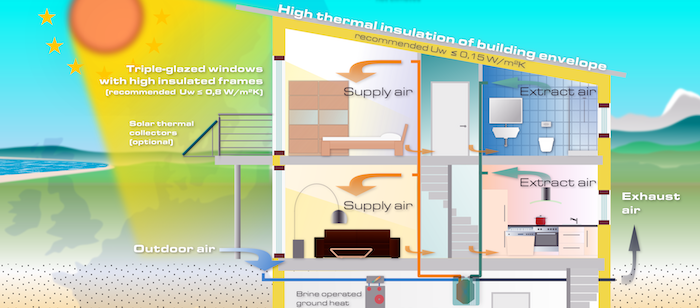
Passive House; what is it and how does it work?
Brian Uher, ECORE Living
4:00pm Wednesday 20 July 2011
MD Clean Energy Technology Incubator, UMBC South Campus
Brian Uher will discuss the engineering and design principles behind Passive House – a rigorous building performance standard that ECORE Living is deploying in the Mid-Atlantic region.
The term passive house (Passivhaus in German) refers to the rigorous, voluntary, Passivhaus standard for energy efficiency in a building. It results in very low (<80%) energy requirements for space heating or cooling. Any building can be constructed to the standard. Passive design is not an attachment or supplement to architectural design, but a design process that is integrated with architectural design. Although it is mostly applied to new buildings, it has also been used for retrofits. As of August 2010, there were approximately 25,000 such certified structures of all types in Europe, while in the United States there were only 13. ECORE Living is in negotiations with several developers in the DC and Baltimore areas for initial implementation in this region.
Brian Uher is a co-founder of ECORE Living, LLC, a subsidiary of ECORE Ventures. He has developed methods for incorporating return-on-investment with standard energy modeling and auditing techniques to quantify and extend the value of intelligently applied sustainable building techniques, including market projections and capital project analyses. Brian has spoken widely to the real estate and development communities with a focus on a market-based approach to selling green and high performance building. He is currently working on several deep retrofit projects and is developing Passive House optimization strategies for East Coast row houses that will be deployed at scale in 2011 and 2012.
Brian is a LEED accredited professional, HERS/RESNET certified, BPI analyst and envelope professional and taught the Green Remodeling course for the Washington DC chapter of National Association of the Remodeling Industry. He is also a certified Passive House Consultant (residential and commercial standards), the most rigorous performance standard available today. He holds a masters degree from the University of Pennsylvania School of Engineering and the Wharton School of Management, holds a master's of science degree in molecular biology from the University of Pennsylvania and a bachelor's degree in biology from the University of Chicago.
View Maryland Clean Energy Technology Incubator in a larger map
]]>
Passive House; what is it and how does it work? Brian Uher, ECORE Living 4:00pm Wednesday 20 July 2011 MD Clean Energy Technology Incubator, UMBC South Campus Brian Uher will discuss the...
http://www.cs.umbc.edu/2011/07/talk-passive-house-what-is-it-and-how-does-it-work/
https://dev.my.umbc.edu/api/v0/pixel/news/7438/guest@my.umbc.edu/835bae3697f61bc06ee3c0f4582b4031/api/pixel
events
news
research
talks
Computer Science and Electrical Engineering
https://dev.my.umbc.edu/groups/csee
https://assets3-dev.my.umbc.edu/system/shared/avatars/groups/000/000/099/d117dca133c64bf78a4b7696dd007189/xsmall.png?1314043393
https://assets1-dev.my.umbc.edu/system/shared/avatars/groups/000/000/099/d117dca133c64bf78a4b7696dd007189/original.png?1314043393
https://assets1-dev.my.umbc.edu/system/shared/avatars/groups/000/000/099/d117dca133c64bf78a4b7696dd007189/xxlarge.png?1314043393
https://assets4-dev.my.umbc.edu/system/shared/avatars/groups/000/000/099/d117dca133c64bf78a4b7696dd007189/xlarge.png?1314043393
https://assets3-dev.my.umbc.edu/system/shared/avatars/groups/000/000/099/d117dca133c64bf78a4b7696dd007189/large.png?1314043393
https://assets1-dev.my.umbc.edu/system/shared/avatars/groups/000/000/099/d117dca133c64bf78a4b7696dd007189/medium.png?1314043393
https://assets2-dev.my.umbc.edu/system/shared/avatars/groups/000/000/099/d117dca133c64bf78a4b7696dd007189/small.png?1314043393
https://assets3-dev.my.umbc.edu/system/shared/avatars/groups/000/000/099/d117dca133c64bf78a4b7696dd007189/xsmall.png?1314043393
https://assets3-dev.my.umbc.edu/system/shared/avatars/groups/000/000/099/d117dca133c64bf78a4b7696dd007189/xxsmall.png?1314043393
Computer Science and Electrical Engineering
3
0
false
Mon, 04 Jul 2011 11:26:42 -0400
Talk: Metabolic Profile in Personalized Medicine, Dr....
Full Title: Talk: Metabolic Profile in Personalized Medicine, Dr. Eddy Karnieli, 6/22
Metabolic Profile in Personalized Medicine
Eddy Karnieli, MD
Director, Institute of Endocrinology, Diabetes and Metabolism
RAMBAM Health Care Campus
Haifa 31096, ISRAEL
2:00pm Wednesday, 22 june 2011, ITE 325b, UMBC
Personalized Medicine is revolutionizing the medical world. Understanding and integrating genetic and molecular information with traditional clinical knowledge is the hallmark of this transformation. Currently, much of the medical practice is based on standards of care derived from the epidemiologic studies of large cohorts. These studies do not take into account the individual's genetic, proteomic, and metabolic characteristics. Hence, the gap continues to grow between knowledge accumulated from basic scientific and clinical research, newly discovered molecular mechanisms and therapeutic guidelines, and their implementation at the patient’s bedside. Diabetes is the most common metabolic disease, and its complications have a significant economic impact on the health system. Prediction of diabetes in asymptomatic patients as well as its harsh complications in patients already diagnosed is becoming a necessity, with the considerable increase in the cost of the treatment. Thus, in the current presentation I will review some of the clinical, molecular, metabolic and genetic biomarkers that should be integrated in a future bio-informatic platform and decision support system to be used at the point of care and discuss the challenges we face in applying this vision of personalized medicine in diabetes into reality. Metabolic Profile in Personalized Medicine.
Professor Eddy Karnieli is a graduate of the Rappaport Faculty of Medicine at the Technion– Israel Institute of Technology in Haifa. He obtained clinical training in Internal Medicine and Endocrinology at the Rambam Medical Center and did his Post-Doctoral Fellowship in Diabetes, Obesity and Endocrinology at the National Institutes of Health in Bethesda, Maryland. He was a visiting scholar at the University of California at San Diego and at the National Institutes of Health. He is currently the Director of the Institute of Endocrinology, Diabetes and Metabolism at the Rambam Medical Center. Professor Karnieli's main research interests are the molecular mechanisms for regulating cellular glucose uptake and transporters and their implications in diabetes, obesity and insulin resistance; Gene therapy modalities to trans-differentiate human cells toward beta-cells as a potential cure for type 1 diabetes; Medical informatics, telemedicine and personalized medicine. He has published about 70 peer reviewed papers and reviews.Professor Karnieli serves on the editorial board of several scientific journals and review boards. Professor Karnieli is a retired Colonel from the Israel Defense Forces Medical Corps and is a former Deputy Director of the Rambam Medical Center.
Host: Professor Yelena Yesha
]]>
Full Title: Talk: Metabolic Profile in Personalized Medicine, Dr. Eddy Karnieli, 6/22 Metabolic Profile in Personalized Medicine Eddy Karnieli, MD Director, Institute of Endocrinology,...
http://www.cs.umbc.edu/2011/06/metabolic-personalized-medicine/
https://dev.my.umbc.edu/api/v0/pixel/news/7311/guest@my.umbc.edu/4304d5fadd1b67142785eed60532cd21/api/pixel
news
research
talks
Computer Science and Electrical Engineering
https://dev.my.umbc.edu/groups/csee
https://assets3-dev.my.umbc.edu/system/shared/avatars/groups/000/000/099/d117dca133c64bf78a4b7696dd007189/xsmall.png?1314043393
https://assets1-dev.my.umbc.edu/system/shared/avatars/groups/000/000/099/d117dca133c64bf78a4b7696dd007189/original.png?1314043393
https://assets1-dev.my.umbc.edu/system/shared/avatars/groups/000/000/099/d117dca133c64bf78a4b7696dd007189/xxlarge.png?1314043393
https://assets4-dev.my.umbc.edu/system/shared/avatars/groups/000/000/099/d117dca133c64bf78a4b7696dd007189/xlarge.png?1314043393
https://assets3-dev.my.umbc.edu/system/shared/avatars/groups/000/000/099/d117dca133c64bf78a4b7696dd007189/large.png?1314043393
https://assets1-dev.my.umbc.edu/system/shared/avatars/groups/000/000/099/d117dca133c64bf78a4b7696dd007189/medium.png?1314043393
https://assets2-dev.my.umbc.edu/system/shared/avatars/groups/000/000/099/d117dca133c64bf78a4b7696dd007189/small.png?1314043393
https://assets3-dev.my.umbc.edu/system/shared/avatars/groups/000/000/099/d117dca133c64bf78a4b7696dd007189/xsmall.png?1314043393
https://assets3-dev.my.umbc.edu/system/shared/avatars/groups/000/000/099/d117dca133c64bf78a4b7696dd007189/xxsmall.png?1314043393
Computer Science and Electrical Engineering
6
0
false
Fri, 17 Jun 2011 09:05:30 -0400
MS defense: Image Classification and Automated...
Full Title: MS defense: Image Classification and Automated Extraction of Collocated Actin/Myosin RegionsMS Thesis Defense
Image Classification and Automated Extraction
of Collocated Actin/Myosin Regions
Ronil S. Mokashi
10:00am Friday, 17 June 2011, ITE 325b
This study illuminates the aspects of cell migration, which is central to many biological processes. To understand cell migration we examine the relationship between local cytoskeletal features and local morphology. We demonstrate this relationship on cells stained for Actin and Myosin We connect the actin/myosin collocalizated structural organization to movements such as membrane protrusions. Membrane protrusions are good indicators of cell migration. Cells can sense the mechanical stiffness or the chemical identity of the surfaces they attach to. We show that these surfaces impact cytoskeletal structure. We develop a classifier to correlate the contextual features extracted from actin/myosin collocalized structure to different cell surfaces.
We also describe a new distance based metric to measure the strength of collocated multi-channel two dimensional data for user selected regions. We provide tools, implemented as plugins for the popular ImageJ toolkit, that are available for download by the general public. These tools allow biologists to specify and score regions of interest by drawing a polygon on their image with a point and click interface. Furthermore, we provide an algorithm that automatically identifies, annotates, and scores an interesting donut shaped region commonly occurring in vascular smooth muscle cells on extra cellular matrix such as dry collagen, wet collagen, fibronectin and monolayer collagen.
Committee:
- Dr. Yaacov Yesha (Chair)
- Dr. Yelena Yesha
- Dr. Michael Grasso
]]>
Full Title: MS defense: Image Classification and Automated Extraction of Collocated Actin/Myosin Regions MS Thesis Defense Image Classification and Automated Extraction of Collocated...
http://www.cs.umbc.edu/2011/06/ms-defense-image-classification-and-automated-extraction-of-collocated-actinmyosin-regions/
https://dev.my.umbc.edu/api/v0/pixel/news/7292/guest@my.umbc.edu/eef07c25118b4f1fdc8b3ee6739596a6/api/pixel
computer-science
graduate
news
research
talks
Computer Science and Electrical Engineering
https://dev.my.umbc.edu/groups/csee
https://assets3-dev.my.umbc.edu/system/shared/avatars/groups/000/000/099/d117dca133c64bf78a4b7696dd007189/xsmall.png?1314043393
https://assets1-dev.my.umbc.edu/system/shared/avatars/groups/000/000/099/d117dca133c64bf78a4b7696dd007189/original.png?1314043393
https://assets1-dev.my.umbc.edu/system/shared/avatars/groups/000/000/099/d117dca133c64bf78a4b7696dd007189/xxlarge.png?1314043393
https://assets4-dev.my.umbc.edu/system/shared/avatars/groups/000/000/099/d117dca133c64bf78a4b7696dd007189/xlarge.png?1314043393
https://assets3-dev.my.umbc.edu/system/shared/avatars/groups/000/000/099/d117dca133c64bf78a4b7696dd007189/large.png?1314043393
https://assets1-dev.my.umbc.edu/system/shared/avatars/groups/000/000/099/d117dca133c64bf78a4b7696dd007189/medium.png?1314043393
https://assets2-dev.my.umbc.edu/system/shared/avatars/groups/000/000/099/d117dca133c64bf78a4b7696dd007189/small.png?1314043393
https://assets3-dev.my.umbc.edu/system/shared/avatars/groups/000/000/099/d117dca133c64bf78a4b7696dd007189/xsmall.png?1314043393
https://assets3-dev.my.umbc.edu/system/shared/avatars/groups/000/000/099/d117dca133c64bf78a4b7696dd007189/xxsmall.png?1314043393
Computer Science and Electrical Engineering
3
0
false
Wed, 15 Jun 2011 00:09:51 -0400
PhD defense: Wenjia Li on Securing Mobile Ad Hoc Networks

Ph.D. Dissertation Defense
A Security Framework to Cope With
Node Misbehaviors in Mobile Ad Hoc Networks
Wenjia Li
11:00am Tuesday, 14 June 2011, ITE 325b
A Mobile Ad-hoc NETwork (MANET) has no fixed infrastructure, and is generally composed of a dynamic set of cooperative peers. These peers share their wireless transmission power with other peers so that indirect communication can be possible between nodes that are not in the radio range of each other . The nature of MANETs, such as node mobility, unreliable transmission medium and restricted battery power, makes them extremely vulnerable to a variety of node misbehaviors. Wireless links, for instance, are generally prone to both passive eavesdropping and active intrusion. Another security concern in ad hoc networks is caused by the cooperative nature of the nodes. Attacks from external adversaries may disturb communications, but the external intruder generally cannot directly participate in the cooperative activities among the nodes because they do not possess the proper secure credentials, such as shared keys. However, compromised nodes, which are taken over by an adversary, are capable of presenting the proper secure credentials, and consequently can interfere with almost all of the network operations, including route discovery, key management and distribution, and packet forwarding. Hence, it is essential to cope with node misbehaviors so as to secure mobile ad hoc networks.
In this dissertation, we address the question of how to ensure that a MANET will properly operate despite the presence of various node misbehaviors by building a holistic framework that can cope with various node misbehaviors in an intelligent and adaptive manner. The main purpose of this framework is to provide a platform so that the components that identify and respond to misbehaviors can better cooperate with each other and quickly adapt to the changes of network context. Therefore, policies are utilized in our framework in order to make those components correctly function in different network contexts. Besides the policy component, there are three other components, which fulfill the tasks of misbehavior detection, trust management, and context awareness, respectively. To validate and evaluate our proposed framework, we implement our framework based on a simulator.
The specific contributions of this dissertation are: (i) Develop a framework to combine the functionalities of surveillance and detection of misbehavior, trust management, context awareness, and policy management to provide a high-level solution to cope with various misbehaviors in MANETs in an intelligent and adaptive manner; (ii) Utilize the outlier detection technique as well as the Support Vector Machine (SVM) algorithm to detect node misbehaviors, and both techniques do not require a pre-defined fix threshold for misbehavior detection; (iii) Trust is modeled in a vector instead of a single scalar so that it can reflect the trustworthiness of a node in a more accurate manner; (iv) Sense and record various contextual information, such as network status (channel busy/idle, etc.), node status (transmission buffer full/empty, battery full/low, etc.) and environmental factors (altitude, velocity, temperature, weather condition, etc.), so that we can distinguish truly malicious behaviors from faulty behaviors and also more accurately evaluate nodes' trust; (v) Specify and enforce policies in the proposed framework, which makes the framework promptly adapt to the rapidly changing network context.
Committee:
- Dr. Anupam Joshi (Chair)
- Dr. Tim Finin
- Dr. Yelena Yesha
- Dr. Yun Peng
- Dr. Lalana Kagal (MIT CSAIL)
]]>
Ph.D. Dissertation Defense A Security Framework to Cope With Node Misbehaviors in Mobile Ad Hoc Networks Wenjia Li 11:00am Tuesday, 14 June 2011, ITE 325b A Mobile Ad-hoc NETwork (MANET)...
http://www.cs.umbc.edu/2011/06/phd-defense-wenjia-li-on-securing-mobile-ad-hoc-networks/
https://dev.my.umbc.edu/api/v0/pixel/news/7249/guest@my.umbc.edu/2eb6d4a8d82ccd20c18cdab28aabbc72/api/pixel
computer-engineering
cybersecurity
graduate
manet
news
research
security
talks
Computer Science and Electrical Engineering
https://dev.my.umbc.edu/groups/csee
https://assets3-dev.my.umbc.edu/system/shared/avatars/groups/000/000/099/d117dca133c64bf78a4b7696dd007189/xsmall.png?1314043393
https://assets1-dev.my.umbc.edu/system/shared/avatars/groups/000/000/099/d117dca133c64bf78a4b7696dd007189/original.png?1314043393
https://assets1-dev.my.umbc.edu/system/shared/avatars/groups/000/000/099/d117dca133c64bf78a4b7696dd007189/xxlarge.png?1314043393
https://assets4-dev.my.umbc.edu/system/shared/avatars/groups/000/000/099/d117dca133c64bf78a4b7696dd007189/xlarge.png?1314043393
https://assets3-dev.my.umbc.edu/system/shared/avatars/groups/000/000/099/d117dca133c64bf78a4b7696dd007189/large.png?1314043393
https://assets1-dev.my.umbc.edu/system/shared/avatars/groups/000/000/099/d117dca133c64bf78a4b7696dd007189/medium.png?1314043393
https://assets2-dev.my.umbc.edu/system/shared/avatars/groups/000/000/099/d117dca133c64bf78a4b7696dd007189/small.png?1314043393
https://assets3-dev.my.umbc.edu/system/shared/avatars/groups/000/000/099/d117dca133c64bf78a4b7696dd007189/xsmall.png?1314043393
https://assets3-dev.my.umbc.edu/system/shared/avatars/groups/000/000/099/d117dca133c64bf78a4b7696dd007189/xxsmall.png?1314043393
Computer Science and Electrical Engineering
10
0
false
Sun, 12 Jun 2011 11:22:00 -0400