NSF CyberCorps: Scholarship For Service, Nov 20 deadline

UMBC undergraduate and graduate students interested in cybersecurity can apply for an NSF CyberCorps: Scholarship For Service scholarship by 20 November 2015.
The NSF CyberCorps: Scholarship For Service program is designed to increase and strengthen the cadre of federal information assurance professionals that protect the government’s critical information infrastructure. This program provides scholarships that may fully fund the typical costs incurred by full-time students while attending a participating institution, including tuition and education and related fees. Participants also receive stipends of $22,500 for undergraduate students and $34,000 for graduate students.
Applicants must be be full-time UMBC students within two years of graduation with a BS or MS degree; a student within three years of graduation with both the BS/MS degree; a student participating in a combined BS/MS degree program; or a research-based doctoral student within three years of graduation in an academic program focused on cybersecurity or information assurance. Recipients must also be US citizens; meet criteria for Federal employment; and be able to obtain a security clearance, if required.
For more information and instructions on how to apply see the UMBC CISA site or the OPM SFS site. Contact Dr. Alan Sherman (Sorry, you need javascript to view this email address. ) for questions not answered on those sites.
]]>
UMBC undergraduate and graduate students interested in cybersecurity can apply for an NSF CyberCorps: Scholarship For Service scholarship by 20 November 2015. The NSF CyberCorps: Scholarship For...
http://www.csee.umbc.edu/2015/10/nsf-cybercorps-scholarship-for-service-nov-20-deadline/
https://dev.my.umbc.edu/api/v0/pixel/news/55522/guest@my.umbc.edu/8915b446cdf5982e23f3f087fc04ca3f/api/pixel
cybersecurity
graduate
news
students
undergraduate
Computer Science and Electrical Engineering
https://dev.my.umbc.edu/groups/csee
https://assets3-dev.my.umbc.edu/system/shared/avatars/groups/000/000/099/d117dca133c64bf78a4b7696dd007189/xsmall.png?1314043393
https://assets1-dev.my.umbc.edu/system/shared/avatars/groups/000/000/099/d117dca133c64bf78a4b7696dd007189/original.png?1314043393
https://assets1-dev.my.umbc.edu/system/shared/avatars/groups/000/000/099/d117dca133c64bf78a4b7696dd007189/xxlarge.png?1314043393
https://assets4-dev.my.umbc.edu/system/shared/avatars/groups/000/000/099/d117dca133c64bf78a4b7696dd007189/xlarge.png?1314043393
https://assets3-dev.my.umbc.edu/system/shared/avatars/groups/000/000/099/d117dca133c64bf78a4b7696dd007189/large.png?1314043393
https://assets1-dev.my.umbc.edu/system/shared/avatars/groups/000/000/099/d117dca133c64bf78a4b7696dd007189/medium.png?1314043393
https://assets2-dev.my.umbc.edu/system/shared/avatars/groups/000/000/099/d117dca133c64bf78a4b7696dd007189/small.png?1314043393
https://assets3-dev.my.umbc.edu/system/shared/avatars/groups/000/000/099/d117dca133c64bf78a4b7696dd007189/xsmall.png?1314043393
https://assets3-dev.my.umbc.edu/system/shared/avatars/groups/000/000/099/d117dca133c64bf78a4b7696dd007189/xxsmall.png?1314043393
Computer Science and Electrical Engineering
0
0
true
Sat, 31 Oct 2015 10:21:47 -0400
Sat, 31 Oct 2015 10:21:47 -0400
Prof. Tinoosh Mohsenin gets NSF grant for wearable biomedical computing technology

CSEE Professor Tinoosh Mohsenin received a $212,000 grant from the National Science Foundation for a three-year project that will develop a heterogeneous ultra low-power accelerator for wearable biomedical computing. The work will be done in collaboration with researchers at George Mason University and students in the UMBC Energy Efficient High Performance Computing Lab.

With the rapid advances in small, low-cost wearable computing technologies, there is a tremendous opportunity to develop personal health monitoring devices capable of continuous vigilant monitoring of physiological signals. Wearable biomedical devices have the potential to reduce the morbidity, mortality, and economic cost associated with many chronic diseases by enabling early intervention and preventing costly hospitalizations. These low-power systems require to have the capacity to provide fast and accurate processing and interpretation of vast amounts of data and generate smart alarms only when warranted. The project will build the foundation of the next generation of heterogeneous biomedical signal processing platforms that can address the current and future generation energy-efficiency requirements and computational demands.
The interdisciplinary project is expected to inspire and enable new approaches to healthcare monitoring, and can significantly impact several fields including human-centered cyber-physical systems, cyber-security, mobile communications, bioinformatics and applications that require high performance and energy efficient embedded computing from different sensors.
]]>
CSEE Professor Tinoosh Mohsenin received a $212,000 grant from the National Science Foundation for a three-year project that will develop a heterogeneous ultra low-power accelerator for wearable...
http://www.csee.umbc.edu/2015/10/prof-tinoosh-mohsenin-gets-nsf-grant-for-wearable-biomedical-computing-technology/
https://dev.my.umbc.edu/api/v0/pixel/news/55516/guest@my.umbc.edu/281bc5c7da514b481bfbf9574f1198fd/api/pixel
computer-engineering
news
research
research-awards
Computer Science and Electrical Engineering
https://dev.my.umbc.edu/groups/csee
https://assets3-dev.my.umbc.edu/system/shared/avatars/groups/000/000/099/d117dca133c64bf78a4b7696dd007189/xsmall.png?1314043393
https://assets1-dev.my.umbc.edu/system/shared/avatars/groups/000/000/099/d117dca133c64bf78a4b7696dd007189/original.png?1314043393
https://assets1-dev.my.umbc.edu/system/shared/avatars/groups/000/000/099/d117dca133c64bf78a4b7696dd007189/xxlarge.png?1314043393
https://assets4-dev.my.umbc.edu/system/shared/avatars/groups/000/000/099/d117dca133c64bf78a4b7696dd007189/xlarge.png?1314043393
https://assets3-dev.my.umbc.edu/system/shared/avatars/groups/000/000/099/d117dca133c64bf78a4b7696dd007189/large.png?1314043393
https://assets1-dev.my.umbc.edu/system/shared/avatars/groups/000/000/099/d117dca133c64bf78a4b7696dd007189/medium.png?1314043393
https://assets2-dev.my.umbc.edu/system/shared/avatars/groups/000/000/099/d117dca133c64bf78a4b7696dd007189/small.png?1314043393
https://assets3-dev.my.umbc.edu/system/shared/avatars/groups/000/000/099/d117dca133c64bf78a4b7696dd007189/xsmall.png?1314043393
https://assets3-dev.my.umbc.edu/system/shared/avatars/groups/000/000/099/d117dca133c64bf78a4b7696dd007189/xxsmall.png?1314043393
Computer Science and Electrical Engineering
0
0
true
Fri, 30 Oct 2015 00:22:59 -0400
Free webinar and workshop on how to run computing summer camps

How to Run Sustainable and Effective
Computing Summer Camps
Note: One of the workshops will be held at UMBC on December 6, 2015.
Summer camps are a great way to increase interest in computing. They can especially be helpful for girls and underrepresented minorities. The Expanding Computing Education Pathways (ECEP) Alliance is offering a webinar and two workshops this fall on how to run financially self-sustaining and effective computing summer camps. Attendees who are from ECEP partner and associate states can apply for up to $4,999.99 in funds for equipment for the camps if they attend one of the workshops (in-person or remotely).
The webinars and workshops are free and lunch will be provided at the workshops. Attendees who attend the workshops in-person and live more than 30 miles from the workshop location can apply for up to $100 reimbursement for expenses if they are from our partner or associate states. The workshops can also be attended remotely via webinar software that only requires a browser and internet connection.
Who can attend
College and University faculty and staff, high school computing teachers, and non-profit staff that offer summer camps at colleges and universities
When and where
- 1 hour webinar – Oct 28th from 8pm – 9pm EDT – We recommend that you attend this to find out how to get started, especially if you haven’t run computing camps before.
- 1st workshop – November 21 10am – 3pm CST – At the University of Texas at Austin
- 2nd workshop – Dec 6, 12pm – 5pm EST – At the University of Maryland Baltimore County
ECEP has $45,000 in seed funds that we can use to buy equipment for these camps thanks to a generous gift from Oracle as well as funds from the National Science Foundation. Qualifying institutions will have to apply for the funds. The webinar and workshops are to help you understand how to create a great application and run effective and financially self-sustaining camps.
What you will learn
- What to consider when starting or expanding camps for 4th – 12th grade students
- The equipment and tools that we recommend you use in the camps
- Details on how to plan, advertise, run, and evaluate the camps
- How to apply for up to $4,999.99 in funds for equipment for the camps
- How the applications for equipment funds are evaluated
See the ECEP flyer and apply for the webinar and workshops here.
]]>
How to Run Sustainable and Effective Computing Summer Camps Note: One of the workshops will be held at UMBC on December 6, 2015. Summer camps are a great way to increase interest in...
http://www.csee.umbc.edu/2015/10/free-webinar-and-workshop-on-how-to-run-computing-summer-camps/
https://dev.my.umbc.edu/api/v0/pixel/news/55484/guest@my.umbc.edu/b8f92e2d06f9c5cd1899a019f2e73491/api/pixel
education
events
news
Computer Science and Electrical Engineering
https://dev.my.umbc.edu/groups/csee
https://assets3-dev.my.umbc.edu/system/shared/avatars/groups/000/000/099/d117dca133c64bf78a4b7696dd007189/xsmall.png?1314043393
https://assets1-dev.my.umbc.edu/system/shared/avatars/groups/000/000/099/d117dca133c64bf78a4b7696dd007189/original.png?1314043393
https://assets1-dev.my.umbc.edu/system/shared/avatars/groups/000/000/099/d117dca133c64bf78a4b7696dd007189/xxlarge.png?1314043393
https://assets4-dev.my.umbc.edu/system/shared/avatars/groups/000/000/099/d117dca133c64bf78a4b7696dd007189/xlarge.png?1314043393
https://assets3-dev.my.umbc.edu/system/shared/avatars/groups/000/000/099/d117dca133c64bf78a4b7696dd007189/large.png?1314043393
https://assets1-dev.my.umbc.edu/system/shared/avatars/groups/000/000/099/d117dca133c64bf78a4b7696dd007189/medium.png?1314043393
https://assets2-dev.my.umbc.edu/system/shared/avatars/groups/000/000/099/d117dca133c64bf78a4b7696dd007189/small.png?1314043393
https://assets3-dev.my.umbc.edu/system/shared/avatars/groups/000/000/099/d117dca133c64bf78a4b7696dd007189/xsmall.png?1314043393
https://assets3-dev.my.umbc.edu/system/shared/avatars/groups/000/000/099/d117dca133c64bf78a4b7696dd007189/xxsmall.png?1314043393
Computer Science and Electrical Engineering
0
0
true
Thu, 29 Oct 2015 21:37:26 -0400
Thu, 29 Oct 2015 21:37:26 -0400
PhD proposal: Lyrics Augmented Multi-modal Music Recommendation, 1pm 10/30

Lyrics Augmented Multi-modal
Music Recommendation
Abhay Kashyap
1:00pm Friday 30 October, ITE 325b
In an increasingly mobile and connected world, digital music consumption has rapidly increased. More recently, faster and cheaper mobile bandwidth has given the average mobile user the potential to access large troves of music through streaming services like Spotify and Google Music that boast catalogs with tens of millions of songs. At this scale, effective music recommendation is critical for music discovery and personalized user experience.
Recommenders that rely on collaborative information suffer from two major problems: the long tail problem, which is induced by popularity bias, and the cold start problem caused by new items with no data. In such cases, they fall back on content to compute similarity. For music, content based features can be divided into acoustic and textual domains. Acoustic features are extracted from the audio signal while textual features come from song metadata, lyrical content, collaborative tags and associated web text.
Research in content based music similarity has largely been focused in the acoustic domain while text based features have been limited to metadata, tags and shallow methods for web text and lyrics. Song lyrics house information about the sentiment and topic of a song that cannot be easily extracted from the audio. Past work has shown that even shallow lyrical features improved audio-only features and in some tasks like mood classification, outperformed audio-only features. In addition, lyrics are also easily available which make them a valuable resource and warrant a deeper analysis.
The goal of this research is to fill the lyrical gap in existing music recommender systems. The first step is to build algorithms to extract and represent the meaning and emotion contained in the song’s lyrics. The next step is to effectively combine lyrical features with acoustic and collaborative information to build a multi-modal recommendation engine.
For this work, the genre is restricted to Rap because it is a lyrics-centric genre and techniques built for Rap can be generalized to other genres. It was also the highest streamed genre in 2014, accounting for 28.5% of all music streamed. Rap lyrics are scraped from dedicated lyrics websites like ohhla.com and genius.com while the semantic knowledge base comprising artists, albums and song metadata come from the MusicBrainz project. Acoustic features are directly used from EchoNest while collaborative information like tags, plays, co-plays etc. come from Last.fm.
Preliminary work involved extraction of compositional style features like rhyme patterns and density, vocabulary size, simile and profanity usage from over 10,000 songs by over 150 artists. These features are available for users to browse and explore through interactive visualizations on Rapalytics.com. Song semantics were represented using off-the-shelf neural language based vector models (doc2vec). Future work will involve building novel language models for lyrics and latent representations for attributes that is driven by collaborative information for multi-modal recommendation.
Committee: Drs. Tim Finin (Chair), Anupam Joshi, Pranam Kolari (WalmartLabs), Cynthia Matuszek and Tim Oates
]]>
Lyrics Augmented Multi-modal Music Recommendation Abhay Kashyap 1:00pm Friday 30 October, ITE 325b In an increasingly mobile and connected world, digital music consumption has rapidly...
http://www.csee.umbc.edu/2015/10/phd-proposal-lyrics-augmented-multi-modal-music-recommendation-1pm-1030/
https://dev.my.umbc.edu/api/v0/pixel/news/55472/guest@my.umbc.edu/543c1870c1aff5e948113b01dcd96a38/api/pixel
computer-science
graduate
news
research
talks
Computer Science and Electrical Engineering
https://dev.my.umbc.edu/groups/csee
https://assets3-dev.my.umbc.edu/system/shared/avatars/groups/000/000/099/d117dca133c64bf78a4b7696dd007189/xsmall.png?1314043393
https://assets1-dev.my.umbc.edu/system/shared/avatars/groups/000/000/099/d117dca133c64bf78a4b7696dd007189/original.png?1314043393
https://assets1-dev.my.umbc.edu/system/shared/avatars/groups/000/000/099/d117dca133c64bf78a4b7696dd007189/xxlarge.png?1314043393
https://assets4-dev.my.umbc.edu/system/shared/avatars/groups/000/000/099/d117dca133c64bf78a4b7696dd007189/xlarge.png?1314043393
https://assets3-dev.my.umbc.edu/system/shared/avatars/groups/000/000/099/d117dca133c64bf78a4b7696dd007189/large.png?1314043393
https://assets1-dev.my.umbc.edu/system/shared/avatars/groups/000/000/099/d117dca133c64bf78a4b7696dd007189/medium.png?1314043393
https://assets2-dev.my.umbc.edu/system/shared/avatars/groups/000/000/099/d117dca133c64bf78a4b7696dd007189/small.png?1314043393
https://assets3-dev.my.umbc.edu/system/shared/avatars/groups/000/000/099/d117dca133c64bf78a4b7696dd007189/xsmall.png?1314043393
https://assets3-dev.my.umbc.edu/system/shared/avatars/groups/000/000/099/d117dca133c64bf78a4b7696dd007189/xxsmall.png?1314043393
Computer Science and Electrical Engineering
0
0
true
Thu, 29 Oct 2015 15:05:23 -0400
Tue, 27 Oct 2015 15:05:23 -0400
jobs: Find out about jobs & internships at Google, Oct 29-30

Google will be on campus on Thursday and Friday, October 29 and 30 to talk with students about opportunities for full-time positions and internships. See their message below.
Hello UMBC students!
Google’s mission is to organize the world’s information and make it universally accessible and useful. It’s an enormous goal to accomplish and we need great people to help us achieve it!
We invite you to come learn about Google and meet some of our Googlers at this exciting event!
Who: All Computer Science and Engineering students, but anyone with an interest in software development is welcome!
What: Culture at Google and Laying the Groundwork for a Successful Tech Career
Date: Thursday, October 29th
Time: 4:00pm – 8:00pm
Location: PAHB 132
What: Culture at Google and Preparing for Technical Interviews
Date: Friday, October 30th
Time: 12:00pm – 3:00pm
Location: PAHB 132
RSVP here. Have any questions? Check out our FAQs below.
Thanks,
Jonathan Bronson (Google Employee)
Loryn Chen (Google Student Ambassador for UMBC)
—
FAQs
“Okay, Google, I’m ready to apply.”
What roles are you hiring for?
Most of our available opportunities for technical students are within our software engineering teams. Check out the roles below for more details. For all other opportunities, visit http://google.com/careers/students.
Can I apply for multiple positions?
Yes, you can apply for as many roles and locations as you’d like. We’ll review your resume and transcript to determine the best match.
When are the application deadlines?
Apply now! We encourage you to apply sooner rather than later, since most of our full time roles and internships accept applications on a rolling basis. If there is a deadline for a specific position, it will say so on the job posting.
What do I need to submit when I apply?
Please upload your resume and a copy of your transcript (unofficial is fine).
So I really don’t need a cover letter?
Correct! Have your resume tell your story!
I applied previously and wasn’t selected. May I reapply?
Yes, but we generally recommend that you’ve gained at least six months of additional technical experience and knowledge before reapplying.
Are international students eligible to apply for internships or full-time roles?
Yes, international students can apply for internships and full-time roles.
I’m planning to graduate this academic year, can I apply for an internship?
Unfortunately you aren’t able to do an internship after you graduate, so you’ll need to apply for a full-time role. If you’re graduating, but plan to pursue a graduate degree, then you can apply for an internship.
I want to intern on Android/Maps/[insert Google product here]. How do I apply for those teams?
You’ll first need to pass two technical phone interviews then a recruiter will work with you to determine a project match for the summer. You’ll have the chance to express interest in certain teams, tell us more about your background/skills, etc. once you’ve completed the technical interviews.
I applied online but haven’t heard back from anyone. Help?!
First, make sure you received the confirmation email that we received your application. Second, reply to us at Sorry, you need javascript to view this email address. so we can check the status of your application.
]]>
Google will be on campus on Thursday and Friday, October 29 and 30 to talk with students about opportunities for full-time positions and internships. See their message below. Hello UMBC...
http://www.csee.umbc.edu/2015/10/find-out-about-jobs-and-internships-at-google-oct-29-30/
https://dev.my.umbc.edu/api/v0/pixel/news/55360/guest@my.umbc.edu/e2b9bec85203ede0927bbc0badf52851/api/pixel
graduate
jobs
news
undergraduate
Computer Science and Electrical Engineering
https://dev.my.umbc.edu/groups/csee
https://assets3-dev.my.umbc.edu/system/shared/avatars/groups/000/000/099/d117dca133c64bf78a4b7696dd007189/xsmall.png?1314043393
https://assets1-dev.my.umbc.edu/system/shared/avatars/groups/000/000/099/d117dca133c64bf78a4b7696dd007189/original.png?1314043393
https://assets1-dev.my.umbc.edu/system/shared/avatars/groups/000/000/099/d117dca133c64bf78a4b7696dd007189/xxlarge.png?1314043393
https://assets4-dev.my.umbc.edu/system/shared/avatars/groups/000/000/099/d117dca133c64bf78a4b7696dd007189/xlarge.png?1314043393
https://assets3-dev.my.umbc.edu/system/shared/avatars/groups/000/000/099/d117dca133c64bf78a4b7696dd007189/large.png?1314043393
https://assets1-dev.my.umbc.edu/system/shared/avatars/groups/000/000/099/d117dca133c64bf78a4b7696dd007189/medium.png?1314043393
https://assets2-dev.my.umbc.edu/system/shared/avatars/groups/000/000/099/d117dca133c64bf78a4b7696dd007189/small.png?1314043393
https://assets3-dev.my.umbc.edu/system/shared/avatars/groups/000/000/099/d117dca133c64bf78a4b7696dd007189/xsmall.png?1314043393
https://assets3-dev.my.umbc.edu/system/shared/avatars/groups/000/000/099/d117dca133c64bf78a4b7696dd007189/xxsmall.png?1314043393
Computer Science and Electrical Engineering
4
0
true
Tue, 27 Oct 2015 13:30:34 -0400
Tue, 27 Oct 2015 13:30:34 -0400
jobs: Find out about jobs & internships at Google, Oct 29-30
Google will be on campus on Thursday and Friday, October 29 and 30 to talk with students about opportunities for full-time positions and internships. See their message below.
Hello UMBC students!
Google’s mission is to organize the world’s information and make it universally accessible and useful. It’s an enormous goal to accomplish and we need great people to help us achieve it!
We invite you to come learn about Google and meet some of our Googlers at this exciting event!
Who: All Computer Science and Engineering students, but anyone with an interest in software development is welcome!
What: Culture at Google and Laying the Groundwork for a Successful Tech Career
Date: Thursday, October 29th
Time: 4:00pm – 8:00pm
Location: PAHB 132
What: Culture at Google and Preparing for Technical Interviews
Date: Friday, October 30th
Time: 12:00pm – 3:00pm
Location: PAHB 132
RSVP here. Have any questions? Check out our FAQs below.
Thanks,
Jonathan Bronson (Google Employee)
Loryn Chen (Google Student Ambassador for UMBC)
—
FAQs
“Okay, Google, I’m ready to apply.”
What roles are you hiring for?
Most of our available opportunities for technical students are within our software engineering teams. Check out the roles below for more details. For all other opportunities, visit http://google.com/careers/students.
Can I apply for multiple positions?
Yes, you can apply for as many roles and locations as you’d like. We’ll review your resume and transcript to determine the best match.
When are the application deadlines?
Apply now! We encourage you to apply sooner rather than later, since most of our full time roles and internships accept applications on a rolling basis. If there is a deadline for a specific position, it will say so on the job posting.
What do I need to submit when I apply?
Please upload your resume and a copy of your transcript (unofficial is fine).
So I really don’t need a cover letter?
Correct! Have your resume tell your story!
I applied previously and wasn’t selected. May I reapply?
Yes, but we generally recommend that you’ve gained at least six months of additional technical experience and knowledge before reapplying.
Are international students eligible to apply for internships or full-time roles?
Yes, international students can apply for internships and full-time roles.
I’m planning to graduate this academic year, can I apply for an internship?
Unfortunately you aren’t able to do an internship after you graduate, so you’ll need to apply for a full-time role. If you’re graduating, but plan to pursue a graduate degree, then you can apply for an internship.
I want to intern on Android/Maps/[insert Google product here]. How do I apply for those teams?
You’ll first need to pass two technical phone interviews then a recruiter will work with you to determine a project match for the summer. You’ll have the chance to express interest in certain teams, tell us more about your background/skills, etc. once you’ve completed the technical interviews.
I applied online but haven’t heard back from anyone. Help?!
First, make sure you received the confirmation email that we received your application. Second, reply to us at Sorry, you need javascript to view this email address. so we can check the status of your application.
]]>
Google will be on campus on Thursday and Friday, October 29 and 30 to talk with students about opportunities for full-time positions and internships. See their message below. Hello UMBC...
https://www.csee.umbc.edu/2015/10/find-out-about-jobs-and-internships-at-google-oct-29-30/
https://dev.my.umbc.edu/api/v0/pixel/news/57815/guest@my.umbc.edu/efe9668b360bf7f7158a0349c5b8159b/api/pixel
graduate
jobs
news
undergraduate
Computer Science and Electrical Engineering
https://dev.my.umbc.edu/groups/csee
https://assets3-dev.my.umbc.edu/system/shared/avatars/groups/000/000/099/d117dca133c64bf78a4b7696dd007189/xsmall.png?1314043393
https://assets1-dev.my.umbc.edu/system/shared/avatars/groups/000/000/099/d117dca133c64bf78a4b7696dd007189/original.png?1314043393
https://assets1-dev.my.umbc.edu/system/shared/avatars/groups/000/000/099/d117dca133c64bf78a4b7696dd007189/xxlarge.png?1314043393
https://assets4-dev.my.umbc.edu/system/shared/avatars/groups/000/000/099/d117dca133c64bf78a4b7696dd007189/xlarge.png?1314043393
https://assets3-dev.my.umbc.edu/system/shared/avatars/groups/000/000/099/d117dca133c64bf78a4b7696dd007189/large.png?1314043393
https://assets1-dev.my.umbc.edu/system/shared/avatars/groups/000/000/099/d117dca133c64bf78a4b7696dd007189/medium.png?1314043393
https://assets2-dev.my.umbc.edu/system/shared/avatars/groups/000/000/099/d117dca133c64bf78a4b7696dd007189/small.png?1314043393
https://assets3-dev.my.umbc.edu/system/shared/avatars/groups/000/000/099/d117dca133c64bf78a4b7696dd007189/xsmall.png?1314043393
https://assets3-dev.my.umbc.edu/system/shared/avatars/groups/000/000/099/d117dca133c64bf78a4b7696dd007189/xxsmall.png?1314043393
Computer Science and Electrical Engineering
0
0
true
Tue, 27 Oct 2015 13:30:34 -0400
talk: Graphical-model-based machine learning for neuroimaging data, 12pm Fri 10/30

The UMBC CSEE Seminar Series Presents
Graphical-model-based machine learning for neuroimaging data
Professor Rong Chen
University of Maryland School of Medicine
12noon-1pm Friday, 30 October 2015, ITE 102, UMBC
Two important problem in neuroimaging data mining is high-dimensionality and temporal network modeling. Analyzing high-dimensional neuroimaging data is a very challenging problem. We developed an algorithms called Graphical-Model-based Multivariate Analysis (GAMMA) to model complex interactions among brain regions and a clinical variable. GAMMA has embedded dimension reduction and regularization mechanism. GAMMA has been used in distinguishing patients with mild cognitive impairment and normal elderly.
Identifying spatial-temporal interactions among brain regions from longitudinal structural magnetic-resonance images presents one of the major challenges in computational neuroanatomy. We developed a dynamic Bayesian network based method called structural dynamic network analysis (SDNA) to solve this problem. SDNA enables the detection of spatial-temporal interactions among brain regions, leading to dynamic network analysis. SDNA has been used to model trajectory changes in patients with Alzheimer’s disease.
Dr. Rong Chen is an Assistant Professor at in the department of Radiology the University of Maryland School of Medicine. He completed his Ph.D. in Electrical and Computer Engineering at Washington State University in 2003, and his MTR in Translational Medicine at the University of Pennsylvania in 2012. He published 45 peer-reviewed research articles in the areas of neuroimaging and data mining. His research interests include computational neuroscience, data mining, medical image analysis, and translational medicine.
Hosts: Professors Fow-Sen Choa (Sorry, you need javascript to view this email address. ) and Alan T. Sherman (Sorry, you need javascript to view this email address. )
About the CSEE Seminar Series: The UMBC Department of Computer Science and Electrical Engineering presents technical talks on current significant research projects of broad interest to the Department and the research community. Each talk is free and open to the public. We welcome your feedback and suggestions for future talks.
]]>
The UMBC CSEE Seminar Series Presents Graphical-model-based machine learning for neuroimaging data Professor Rong Chen University of Maryland School of Medicine 12noon-1pm Friday, 30...
http://www.csee.umbc.edu/2015/10/talk-graphical-model-based-machine-learning-for-neuroimaging-data-12pm-fri-1030/
https://dev.my.umbc.edu/api/v0/pixel/news/55341/guest@my.umbc.edu/3807623c90be15a7a47acb5e3015a64a/api/pixel
computer-science
electrical-engineering
news
research
talks
Computer Science and Electrical Engineering
https://dev.my.umbc.edu/groups/csee
https://assets3-dev.my.umbc.edu/system/shared/avatars/groups/000/000/099/d117dca133c64bf78a4b7696dd007189/xsmall.png?1314043393
https://assets1-dev.my.umbc.edu/system/shared/avatars/groups/000/000/099/d117dca133c64bf78a4b7696dd007189/original.png?1314043393
https://assets1-dev.my.umbc.edu/system/shared/avatars/groups/000/000/099/d117dca133c64bf78a4b7696dd007189/xxlarge.png?1314043393
https://assets4-dev.my.umbc.edu/system/shared/avatars/groups/000/000/099/d117dca133c64bf78a4b7696dd007189/xlarge.png?1314043393
https://assets3-dev.my.umbc.edu/system/shared/avatars/groups/000/000/099/d117dca133c64bf78a4b7696dd007189/large.png?1314043393
https://assets1-dev.my.umbc.edu/system/shared/avatars/groups/000/000/099/d117dca133c64bf78a4b7696dd007189/medium.png?1314043393
https://assets2-dev.my.umbc.edu/system/shared/avatars/groups/000/000/099/d117dca133c64bf78a4b7696dd007189/small.png?1314043393
https://assets3-dev.my.umbc.edu/system/shared/avatars/groups/000/000/099/d117dca133c64bf78a4b7696dd007189/xsmall.png?1314043393
https://assets3-dev.my.umbc.edu/system/shared/avatars/groups/000/000/099/d117dca133c64bf78a4b7696dd007189/xxsmall.png?1314043393
Computer Science and Electrical Engineering
0
0
true
Mon, 26 Oct 2015 22:15:51 -0400
Mon, 26 Oct 2015 22:15:51 -0400
Webinar: Chinese Cyber Power, 6pm 10/26
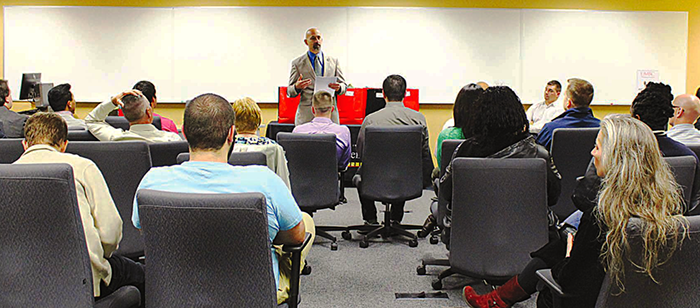
WEBINAR: Chinese Cyber Power
6:00-7:00pm Monday, 26 Oct 26 2015
Register online
Dr. Terry Thompson, of the UMBC Cybersecurity Graduate Program faculty, will present on the political, economic, military, and foreign policy dimensions of China’s cyber strategy and operations. He will explore:
- How does cyber fit into China’s military strategy?
- Why is there so much focus on offensive cyber operations?
- What is the Chinese view of the U.S. response (or lack of responses) to their cyber attacks on U.S. government and industry?
- Given the large amount of U.S. debt held by China, what is the rationale for cyber attacks that can damage the U.S. economy?
- Who is behind the strategy and operational planning and execution of China’s cyber attacks on the U.S.?
This webinar is a preview of Dr. Thompson’s Spring 2016 course CYBR 691 Special Topics in Cybersecurity: “Chinese Cyber Power: Perspectives and Implications.” Please Note: Due to time constraints, not all topics may be covered during the webinar.
Register online
]]>
WEBINAR: Chinese Cyber Power 6:00-7:00pm Monday, 26 Oct 26 2015 Register online Dr. Terry Thompson, of the UMBC Cybersecurity Graduate Program faculty, will present on the political,...
http://www.csee.umbc.edu/2015/10/webinar-chinese-cyber-power-6pm-1026/
https://dev.my.umbc.edu/api/v0/pixel/news/55311/guest@my.umbc.edu/0abfe49f459922ddd4e62475f04b4718/api/pixel
cybersecurity
news
talks
Computer Science and Electrical Engineering
https://dev.my.umbc.edu/groups/csee
https://assets3-dev.my.umbc.edu/system/shared/avatars/groups/000/000/099/d117dca133c64bf78a4b7696dd007189/xsmall.png?1314043393
https://assets1-dev.my.umbc.edu/system/shared/avatars/groups/000/000/099/d117dca133c64bf78a4b7696dd007189/original.png?1314043393
https://assets1-dev.my.umbc.edu/system/shared/avatars/groups/000/000/099/d117dca133c64bf78a4b7696dd007189/xxlarge.png?1314043393
https://assets4-dev.my.umbc.edu/system/shared/avatars/groups/000/000/099/d117dca133c64bf78a4b7696dd007189/xlarge.png?1314043393
https://assets3-dev.my.umbc.edu/system/shared/avatars/groups/000/000/099/d117dca133c64bf78a4b7696dd007189/large.png?1314043393
https://assets1-dev.my.umbc.edu/system/shared/avatars/groups/000/000/099/d117dca133c64bf78a4b7696dd007189/medium.png?1314043393
https://assets2-dev.my.umbc.edu/system/shared/avatars/groups/000/000/099/d117dca133c64bf78a4b7696dd007189/small.png?1314043393
https://assets3-dev.my.umbc.edu/system/shared/avatars/groups/000/000/099/d117dca133c64bf78a4b7696dd007189/xsmall.png?1314043393
https://assets3-dev.my.umbc.edu/system/shared/avatars/groups/000/000/099/d117dca133c64bf78a4b7696dd007189/xxsmall.png?1314043393
Computer Science and Electrical Engineering
0
0
true
Mon, 26 Oct 2015 13:28:53 -0400
talk: Programming & Tuning a Quantum Annealing Computer to Solve Real-World Applications, 2pm 10/26, UMBC

Programming and Tuning a Quantum Annealing Computer to Solve Real-World Applications
Dr. Alejandro Perdomo-Ortiz
Quantum Artificial Intelligence Laboratory
NASA Ames Research Center
2:00pm Monday 26 October 2015, ITE 325b
Since September 2013 and through a partnership with Google and USRA, NASA Ames Research Center has been working with a quantum device that has the promise of harnessing quantum-mechanical effects to speed up the solution of optimization problems. Solving real-world applications with quantum algorithms requires overcoming several challenges, ranging from translating the computational problem at hand to the quantum-machine language, to tuning several other parameters of the quantum algorithm that have a significant impact on performance of the device. In this talk, we discuss these challenges, strategies developed to enhance performance, and also a more efficient implementation of several applications. Although we will focus on applications of interest to NASA’s Quantum Artificial Intelligence Laboratory, the methods and concepts presented here apply to a broader family of hard discrete optimization problems that might also be present in many machine-learning algorithms.
Alejandro Perdomo-Ortiz is a Research Scientist at NASA Ames Research Center, Quantum Artificial Intelligence Laboratory, where he works in the design of quantum algorithms to solve hard optimization problems. Alejandro received a Ph.D. in Chemical Physics from Harvard University. He is a three-time winner of Harvard’s Certificate of Excellence in Teaching and a recipient of the Dudley R. Herschbach Teaching Award. He is originally from Cali, Colombia where he performed undergraduate studies in Chemistry at Universidad del Valle. Within the NASA team, he is interested in understanding the scalability and performance of quantum annealing algorithms and their realistic experimental implementations for broad applications in space exploration research.
Host: Prof. Milton Halem, Sorry, you need javascript to view this email address.
]]>
CHMPR Distinguished Lecture Series Programming and Tuning a Quantum Annealing Computer to Solve Real-World Applications Dr. Alejandro Perdomo-Ortiz Quantum Artificial Intelligence Laboratory...
http://www.csee.umbc.edu/2015/10/talk-programming-tuning-a-quantum-annealing-computer-to-solve-real-world-applications-2pm-1026-umbc/
https://dev.my.umbc.edu/api/v0/pixel/news/55241/guest@my.umbc.edu/7bd5131bc744854c1386ae894c5e613a/api/pixel
computer-science
news
research
talks
Computer Science and Electrical Engineering
https://dev.my.umbc.edu/groups/csee
https://assets3-dev.my.umbc.edu/system/shared/avatars/groups/000/000/099/d117dca133c64bf78a4b7696dd007189/xsmall.png?1314043393
https://assets1-dev.my.umbc.edu/system/shared/avatars/groups/000/000/099/d117dca133c64bf78a4b7696dd007189/original.png?1314043393
https://assets1-dev.my.umbc.edu/system/shared/avatars/groups/000/000/099/d117dca133c64bf78a4b7696dd007189/xxlarge.png?1314043393
https://assets4-dev.my.umbc.edu/system/shared/avatars/groups/000/000/099/d117dca133c64bf78a4b7696dd007189/xlarge.png?1314043393
https://assets3-dev.my.umbc.edu/system/shared/avatars/groups/000/000/099/d117dca133c64bf78a4b7696dd007189/large.png?1314043393
https://assets1-dev.my.umbc.edu/system/shared/avatars/groups/000/000/099/d117dca133c64bf78a4b7696dd007189/medium.png?1314043393
https://assets2-dev.my.umbc.edu/system/shared/avatars/groups/000/000/099/d117dca133c64bf78a4b7696dd007189/small.png?1314043393
https://assets3-dev.my.umbc.edu/system/shared/avatars/groups/000/000/099/d117dca133c64bf78a4b7696dd007189/xsmall.png?1314043393
https://assets3-dev.my.umbc.edu/system/shared/avatars/groups/000/000/099/d117dca133c64bf78a4b7696dd007189/xxsmall.png?1314043393
Computer Science and Electrical Engineering
0
0
true
Thu, 22 Oct 2015 23:02:18 -0400
Thu, 22 Oct 2015 23:02:18 -0400
Explainer: what it will take to make computer science education available in all schools
Explainer: what it will take to make computer
science education available in all schools
Marie desJardins, University of Maryland, Baltimore County
New York City Mayor Bill de Blasio recently announced that the city is investing US$81 million to establish computer science instruction in every public school in the city by 2025.
This announcement is impressive, but hardly surprising to those of us who have been watching the computer science education landscape evolve rapidly over the last eight years.
Interest in computer science (CS) at the university level declined after the “dot-com bust” of 2000, but then came back with a vengeance in 2007. Since then, student enrollment in computer science has been increasing.
As a professor of computer science who has worked extensively to improve CS education at the K-12, undergraduate and graduate levels, I know there are many more who want to go into the field of computer science. The numbers of female students and racial minorities remain distressingly low. But often these students do not have the preparation or encouragement to succeed in college-level work.
So, what are some of the challenges of expanding computer science education in the K-12 public school system?
How computer science came back as a major
The start of the new millennium saw many ups and downs in the area of computer science.
Enrollment in computer science and computer engineering degrees peaked in 2000, at the height of the “dot-com bubble.” That year, the Taulbee Survey, a survey of university computing departments conducted by the Computing Research Association, reported 79,311 undergraduate majors in doctoral-granting institutions.
But soon after the “dot-com bust” in 2000, the number of new majors dropped rapidly. By 2007, the Taulbee survey reported only 46,226 undergraduates in doctoral-granting institutions.
Despite the short-term tech downturn following the “bust,” the computing industry grew rapidly throughout the 2000s. So, by 2007, the computing industry was sounding the alarm about the dire shortage of trained computing professionals. Indeed, that very same year, the Bureau of Labor Statistics predicted that computing would be the fastest-growing professional sector, with a projected 10-year growth rate of 24.8%.
Starting in 2007, those of us in academia started to notice a few more students in our classes, and then a lot more.
In spring 2009, when I was the undergraduate program director for UMBC’s CS program, we held an emergency meeting to decide how to handle the fact that all of the sections of our required discrete math class had a waiting list.
We debated whether this was the start of a real trend, or just a blip.
Within a year or two, every computer science professor in the country knew it was not just a blip. As we scrambled to hire more faculty, increase class sizes, and try to find ways to accommodate our increasingly long waiting lists, the students just kept coming.
In 2014, the most recent Taulbee survey reported nearly 102,000 majors in computer science and computer engineering (and another 12,000 in information sciences, a category not reported in earlier Taulbee surveys) – an increase of a remarkable 120% in the seven years since the enrollment low of 2007.
Lack of instruction
But we face many challenges. Often students who want to major in computer science are not well-prepared to do so – they do not have the computational thinking or mathematical preparation to succeed in college-level coursework.
We are also not doing enough to broaden interest in computing: the percentage of female computer science CS majors remains very low, at only 14.1%, and several racial minorities are also significantly underrepresented (with African Americans representing only an estimated 3% of majors, and Hispanics representing around 7%).
According to Code.org, a nonprofit focused on expanding access to computing education in K-12 schools, 26 states permit computer science classes to count toward high school graduation (usually as a math, science or technology education credit), compared to only nine states in 2010.

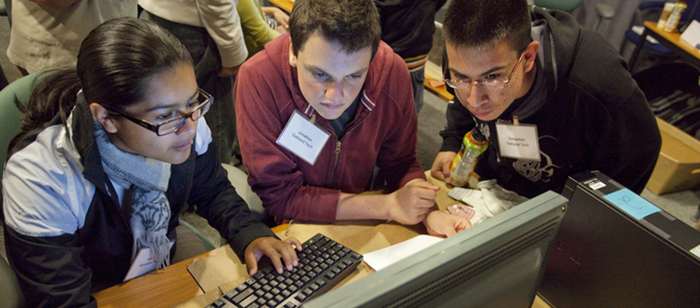
Shortage of computer science teachers is a challenge.
Berkeley Lab, CC BY-NC-ND
No states, however, actually require a computer science class for graduation. As a result, the vast majority of students in the US do not take even a single computer science course throughout their K-12 education; only 25% of principals report that their school offers a CS course that includes programming; only 5% of high schools are certified to offer AP computer science; fewer than 40,000 students took the AP CS A exam in 2014 (representing fewer than 1% of AP exams); and most students leave high school with little knowledge of computational thinking or design.
Here’s what states are doing
The good news is that many states are moving rapidly to expand instruction in computing in K-12 education.
In 2012, Chicago announced a five-year comprehensive plan to establish computer science instruction in every public school, starting in elementary school. Since then, San Francisco and New York City have joined the ranks. Arkansas recently became the first state to announce that it would require every public and charter high school to offer computer science classes.
Even so, no state has fully adopted statewide universal K-12 computer science education.
On average, as of 2010, states had adopted only 55% of the 35 recommended learning standards developed by the Computer Science Teachers Association, the premier professional organization for K-12 computing education. Although all 50 states had adopted some elementary school standards (grades K-6), nearly half of the states had not adopted any high school standards (grades 9-12).
Moreover, the standards that have been adopted by states focus more on low-level skills than on abstract computational concepts, and therefore do not prepare students well for more advanced college-level computing courses.
Standards for teaching vary
An additional concern in broadening K-12 computing education is the challenge of finding qualified teachers.
Arkansas, for example, is scrambling to hire and train enough qualified teachers. As Arkansas Governor Asa Hutchinson stated at the time the new mandate became law, only 20 high school teachers across the entire state were actually prepared to teach computer science.
This gap between the desire for computer science classes and the availability of prepared teachers exists across the country.
Standards for teaching computer science are also either lacking or not consistent across state boundaries.
A 2013 report by ACM and CSTA states that only two states and the District of Columbia specifically require CS certification to teach computer science classes. An additional seven states require CS certification to teach Advanced Placement computer science.
In 13 other states, teaching certification in computer science CS is offered but not mandated – and in most of those states, the certification system is ineffective because programs are not offered, information is not readily available, the requirements are too complex to be understood and met by teachers, or there is no incentive to obtain a CS certification in order to teach CS classes.
Moreover, as demand for computer science classes increases, teachers in other fields with little computer science background are being tapped to teach those classes.
Challenges ahead
The computer science education community is working to develop more consistent standards across state boundaries.
In the meantime, other concerns are emerging. For example, requiring certification will exacerbate the teacher shortage problem, because so many computer science courses are currently being taught by teachers without computer science certification.
There is also a real and growing concern about attracting and keeping highly qualified teachers, since these teachers also get hired in industry.
While there has been a great deal of progress since 2010, there is still a long way to go.
Marie desJardins, Associate Dean for Engineering and Information Technology and Professor of Computer Science , University of Maryland, Baltimore County
This article was originally published on The Conversation. Read the original article.
]]>
Explainer: what it will take to make computer science education available in all schools Marie desJardins, University of Maryland, Baltimore County New York City Mayor Bill de Blasio recently...
http://www.csee.umbc.edu/2015/10/explainer-what-it-will-take-to-make-computer-science-education-available-in-all-schools/
https://dev.my.umbc.edu/api/v0/pixel/news/55219/guest@my.umbc.edu/d3977ccdaf91055ef0a563c54ab2bfb3/api/pixel
computer-science
education
news
Computer Science and Electrical Engineering
https://dev.my.umbc.edu/groups/csee
https://assets3-dev.my.umbc.edu/system/shared/avatars/groups/000/000/099/d117dca133c64bf78a4b7696dd007189/xsmall.png?1314043393
https://assets1-dev.my.umbc.edu/system/shared/avatars/groups/000/000/099/d117dca133c64bf78a4b7696dd007189/original.png?1314043393
https://assets1-dev.my.umbc.edu/system/shared/avatars/groups/000/000/099/d117dca133c64bf78a4b7696dd007189/xxlarge.png?1314043393
https://assets4-dev.my.umbc.edu/system/shared/avatars/groups/000/000/099/d117dca133c64bf78a4b7696dd007189/xlarge.png?1314043393
https://assets3-dev.my.umbc.edu/system/shared/avatars/groups/000/000/099/d117dca133c64bf78a4b7696dd007189/large.png?1314043393
https://assets1-dev.my.umbc.edu/system/shared/avatars/groups/000/000/099/d117dca133c64bf78a4b7696dd007189/medium.png?1314043393
https://assets2-dev.my.umbc.edu/system/shared/avatars/groups/000/000/099/d117dca133c64bf78a4b7696dd007189/small.png?1314043393
https://assets3-dev.my.umbc.edu/system/shared/avatars/groups/000/000/099/d117dca133c64bf78a4b7696dd007189/xsmall.png?1314043393
https://assets3-dev.my.umbc.edu/system/shared/avatars/groups/000/000/099/d117dca133c64bf78a4b7696dd007189/xxsmall.png?1314043393
Computer Science and Electrical Engineering
0
0
true
Thu, 22 Oct 2015 08:37:37 -0400
Tue, 27 Oct 2015 08:37:37 -0400